Search
Find articles, reviews, and climate actions.
121 items — type to search
Climate change can bring up anxiety, guilt, helplessness, burnout, and isolation. This guide explains why those feelings happen and what can help you stay grounded.
A data-driven guide to climate progress trends already visible in warming projections, renewable energy, emissions, climate investment, and public support.
Care about climate change? You don’t need to (and it is impossible) lead a perfect climate-friendly lifestyle. Just be a little better than you were yesterday, and then a little better again tomorrow.
Most people don't know how much climate progress is happening, and talking about just the bad parts makes most people disengage. Here's how to share good news, validate concerns, and inspire action without being a downer.
Explain the Six Americas segmentation and how readers can choose message framing strategies that match different audience mindsets.
Traditionally, geothermal energy was only viable in specific areas where conditions are perfect, like in Iceland where there are natural hot reservoirs. However, a new approach is emerging that unlocks this power source almost anywhere. The catch is that it requires deep drilling, nearly 5-7 km, to access heat pockets deeper in the ground. While this technology is still new and still developing, it is very promising since it not only provides continuous baseload power, but is an opportunity to bring jobs to people in the oil industry.
You don't need to be an activist to influence climate policy. This guide covers the easiest, lowest-commitment ways to take political climate action, from contacting your representative to joining a one-hour online session, with links to specific actions to help you go deeper at your own pace.
With so many global issues, this explains why climate deserves attention and where your effort can matter most.
A personal, practical look at why caring about cleaner air, stronger infrastructure, and community resilience does not require taking a political side. Drawing on my Idaho upbringing and a deep respect for nature, this piece shows how everyday choices can reduce emissions without activism, identity, or ideology. It reassures readers that working together and protecting what we already have is a common-sense approach anyone can support.
A calm, practical piece showing how many climate solutions naturally align with long-standing conservative values like stewardship, independence, efficiency, and safeguarding communities. Instead of politics or pressure, it highlights familiar principles people already believe in, reminding readers that they are not powerless and do not need to change their identity to support meaningful solutions. This article focuses on common-sense actions that strengthen communities, reduce risk, and protect what we have without leaning into ideology or extremes.
Learn how to talk to your parents about climate change with simple, practical tips that build understanding, reduce conflict, and turn conversations into meaningful action.
You can't always trace the ripple of your individual climate action but believing it matters makes you more likely to act, inspire others, and create the very change you hoped for. Here's the case for believing anyway and why it's not naive.
The "80/20 rule" is the concept that you can often achieve 80% of the benefits from 20% of the work. This is not an exact science, but the truth to it is that there is almost always particularly impactful or easy things you can do to get most of the way to a desired outcome. This concept fits well with personal climate action; for any action, you can often get almost all of the emissions reduction with a few slammer changes. For example, to reduce your food impact, eating less beef will get more than half of the benefits as being a vegetarian, since other meats have far lower emissions than beef. When you look at the data, many other actions work this way too.
Ever notice how the moment someone tells you to care about climate change, you kind of want to tune out? Turns out that reaction is more human than you think.
The common goal for climate is "Net Zero", which many interpret as eliminating all of our emissions. This can make the goal seem impossible, since there are so many smaller emissions sources that are much harder to eliminate. Its important the remember the "Net" part though - it means that the goal is reducing emissions so that they match the CO2 sinks, things like plants and algae that take CO2 out of the air. While we do need to drastically reduce emissions to get here, to around 10-20% of today, this is a significantly more achievable goal than 0%.
When discussing climate change, fossil fuels are often framed as "the bad guy", and it's true that these companies have done a lot of damage through misinformation about climate science. Its also true that in order to address climate change, we will need to stop burning them. However, its important to acknowledge that fossil fuels do have a positive side. By acknowledging the good with the bad, we have a much better chance of finding common ground to talk about how to move forward.
Electrification isn’t just about EVs. It’s about how we heat homes, run factories, and clean up energy - imperfect, practical, and essential for cutting emissions at scale.
Discover why the false choice between individual and systemic climate action undermines progress. Learn how both approaches work together.
For a long time, there’s been a debate between divesting and investing. Neither is perfect on its own, but together they’re far more effective. The takeaway is simple: climate action isn’t about sounding right, it’s about moving money in ways that cut emissions fast.
Basically, the planet is warming faster than we hoped, and that 1.5°C line we talk about is getting uncomfortably close. We’re already seeing more record-hot days and weird weather, which is kind of the climate’s way of waving a red flag. It doesn’t mean it’s too late to act. It just means waiting around isn’t really an option anymore.
If you feel the eco-anxiety, just know that, it is very normal, many people experience this feeling. And the good news is acknowledging and sharing how you feel can become a catalyst for connection and shared actions.
Research shows people dramatically misunderstand which personal actions have the biggest climate impact — overestimating recycling while underestimating the power of diet, driving, and flying choices. Here's what the data actually says.
What if the biggest economic shift of your lifetime is happening right now, and most people aren't noticing? Climate adaptation and solutions are already a trillion-dollar industry—here's who's benefiting and why timing matters.
Carbon capture technology promises to remove CO₂ from the air, but is it viable? Learn about direct air capture costs, current capacity, innovations, and whether carbon capture can actually help solve climate change in 2025.
Climate conversations are full of big words that sound important but rarely get explained. This piece translates the most common climate terms, connecting the dots between buzzwords like net zero, carbon footprint, and resilience so they actually make sense in the real world. If you've ever nodded along in a climate conversation and hoped no one would ask follow-up questions, this one's for you.
Climate tech headlines can feel like a rollercoaster. One day it’s a breakthrough that promises to change everything, the next it’s news of a startup folding or a project being shelved. It’s tempting to see those moments as setbacks, but they’re often just signs that the climate transition is testing ideas in the real world.
New Year’s resolutions usually fail for the same reason: they ask for too much, too fast. But in fact, climate action doesn’t need dramatic overhauls or perfect habits. It works better when it looks boring, small, and repeatable. This year, instead of promising to “go green,” try one tiny climate action a day.
Your money is already shaping the climate, quietly and constantly. The real question isn’t whether it has an impact but instead it’s whether you’re choosing that impact intentionally or letting it happen by default.
Even if you are taking some climate action, its hard not to feel like you are taking on the world by yourself. Framing your thinking can help a lot here though
Caring about climate change can be exhausting, but you don’t have to fix everything or solve the entire crisis on your own. Start where you can, even with small, simple actions. And as you care for the planet, don’t forget to care for yourself too.
Heat pumps generate heat far more efficiently than traditional sources, and are becoming more and more popular. They have been in use for home heating for a while, but they are also moving into other areas too, like water heaters and clothes dryers.
Single use plastic is something, but it isn't a heavy contributor to climate change, and can actually help in a lot of ways, such as keeping food fresh for longer to reduce food waste. Also, most plastic in high income countries ends up in a landfill, which is not glamorous, but keeps it out of oceans and other animal habitats
You may remember a lot of talk in the 90's about the growing hole in the ozone layer, but it is not discussed at all anymore. Many use this as a justification that climate change is a myth, but the truth is, we fixed it! Climate change is definitely a much harder problem, but it shows that humans can and have solved problems at a global scale
Its easy to feel guilty about climate change. We know its happening and why, so its easy to internalize a feeling that you are responsible, and need to make sure you aren't part of the problem through your personal carbon footprint. The issue is, its impossible to not have any carbon impact in the modern world, so it can feel like an impossible burden. Fortunately, there are things to can do to help frame these feelings in a positive way, and see that there is a way to have more positive impact than negative.
Taking steps to reduce your personal carbon footprint can feel like a losing battle: there's really no way in modern society to get to a "personal net zero". However, there is a way, and it doesn't involve a cabin in the woods.
Buy local is a common sustainability tip, but when you look at the data, it doesn't really make as big a difference as you'd think. Its true that buying local reduces transportation, but food is shipped in such large volumes that the shipping costs per item don't add up to much
While many people care about climate change, we often fail to act because we don’t believe our individual or collective actions will make a real difference and because climate change issue feels distant, abstract, or someone else’s responsibility. In a comprehensive study, the most effective ways to motivate people to take action are surprisingly different than the typical methods.
Climate change often feels like a fringe issue, a small minority of activists trying to convince the world to listen. However, you might be surprised to learn what the data says about how people feel about climate change
While large, sweeping changes feel like they are the most important things to do, they can often lead to analysis paralysis and inaction. Taking small, imperfect steps builds the confidence for bigger changes.
Some think fewer people or shrinking economies would solve climate change. The data shows otherwise and we're already proving there's a better way that doesn't require sacrifice.
While everyone's arguing about climate doom, something remarkable is happening behind the scenes. The products on your shelf hold secrets about progress no one's talking about.
Kids hear everything, and they overwhelmingly feel like the planet is doomed. Parents often avoid the topic since they understandably don't want to worry their kids, but the fact is that reality is not as bad as they think it is or what they hear on the news and social media. There's a way to talk to them honestly while also instilling a sense of hope and empowerment.
There are plenty of individual actions people can take to reduce emissions, from changing how they eat to home improvement, but this feels insignificant in terms of global emissions. While it's true that installing solar panels is not going to change the world on its own, It's important to consider that these changes do more than just direct emissions reduction, and that you are not alone.
Moving to clean energy and electrifying is usually discussed in relation to climate change, but there are a lot of other reasons to do it, too. For example, burning fossil fuels causes more deaths than you probably think just from direct emissions.
With all the bad news about climate change, it can feel like we have no chance of addressing it and that we only have a few short decades before the earth is uninhabitable. This isn't actually true. While climate change is a major problem and there is a lot to be concerned about, its important that we are realistic about what is happening and that we look at the progress we have already made at averting the worst impacts.
Climate Town by Rollie Williams makes climate change entertaining, digestible, and actually hopeful. Here's why it's the most refreshing climate content on YouTube right now.
An excellent podcast channel from BBC debunks climate questions every week, such as "Can we ever fly without guilt?" or "Is air conditioning making the world hotter?" It’s very global, easy to follow, and has that high-quality BBC reporting style.
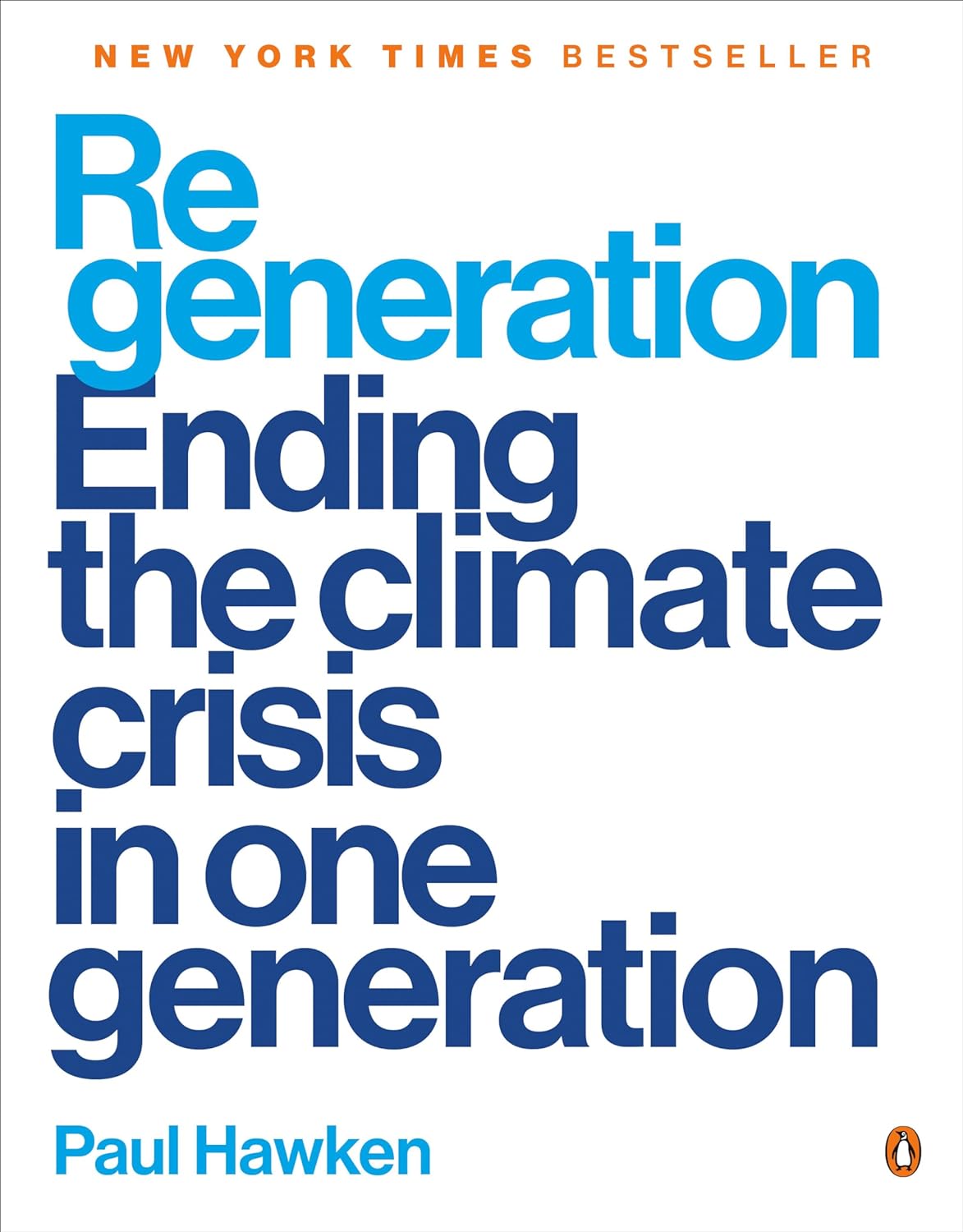
Spiritual successor to Drawdown; broader and bolder

In this book, Dharshini David follows small daily choices to show how different industries are responding to the climate problem. Balancing optimism with realism, it reveal areas of both meaningful progress and persistent challenges.

Practical, consumer-focused reviews of clean technology and sustainable living for anyone making real decisions about EVs, solar, and home energy systems.
This is a channel for people who want to help but feel overwhelmed. It’s "imperfectly green"—focusing on small, practical changes you can make in your life without feeling like you have to be a perfect environmentalist.
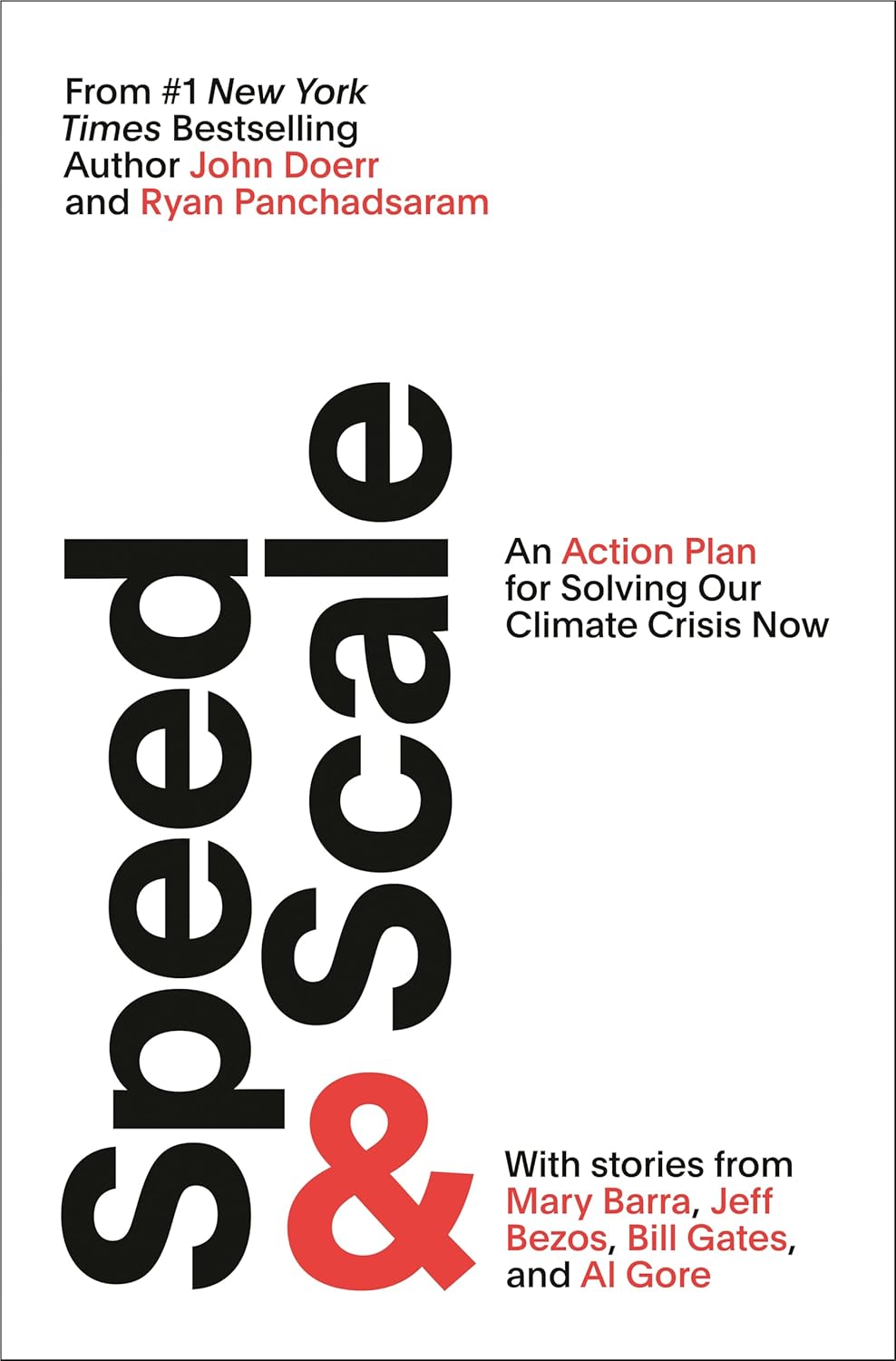
A venture capitalist's measurable action plan for reaching net zero by 2050, organized around six key objectives with clear timelines and accountability.

A practical, optimistic look at how smarter incentives could accelerate climate action - Supercharge Me explores how policy, economics, and innovation can help the world reach net zero faster.

In Saving Us, Katherine Hayhoe shows that the most important thing we can do to address climate change is talk about it, and offers a number of tools to help you start conversations in a positive and non confrontational way. She shows the power of conversations like this to get people in all backgrounds to think more about climate change, and create a chain effect of awareness.

A near-future novel that takes climate economics seriously; one of the most discussed climate fiction books of the decade.
Podcast focused on business sustainability; good for conscious consumers
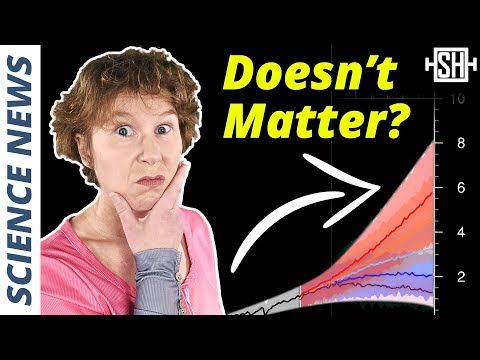
A physicist who applies rigorous skepticism to energy and climate technology claims; excellent for readers who want their optimism stress-tested.
A thoughtful climate podcast that balances urgency with hope. Outrage + Optimism reminding listeners that meaningful climate action is already happening around the world.

Gen Z's first "existential toolkit" for combating eco-guilt and burnout while advocating for climate justice.
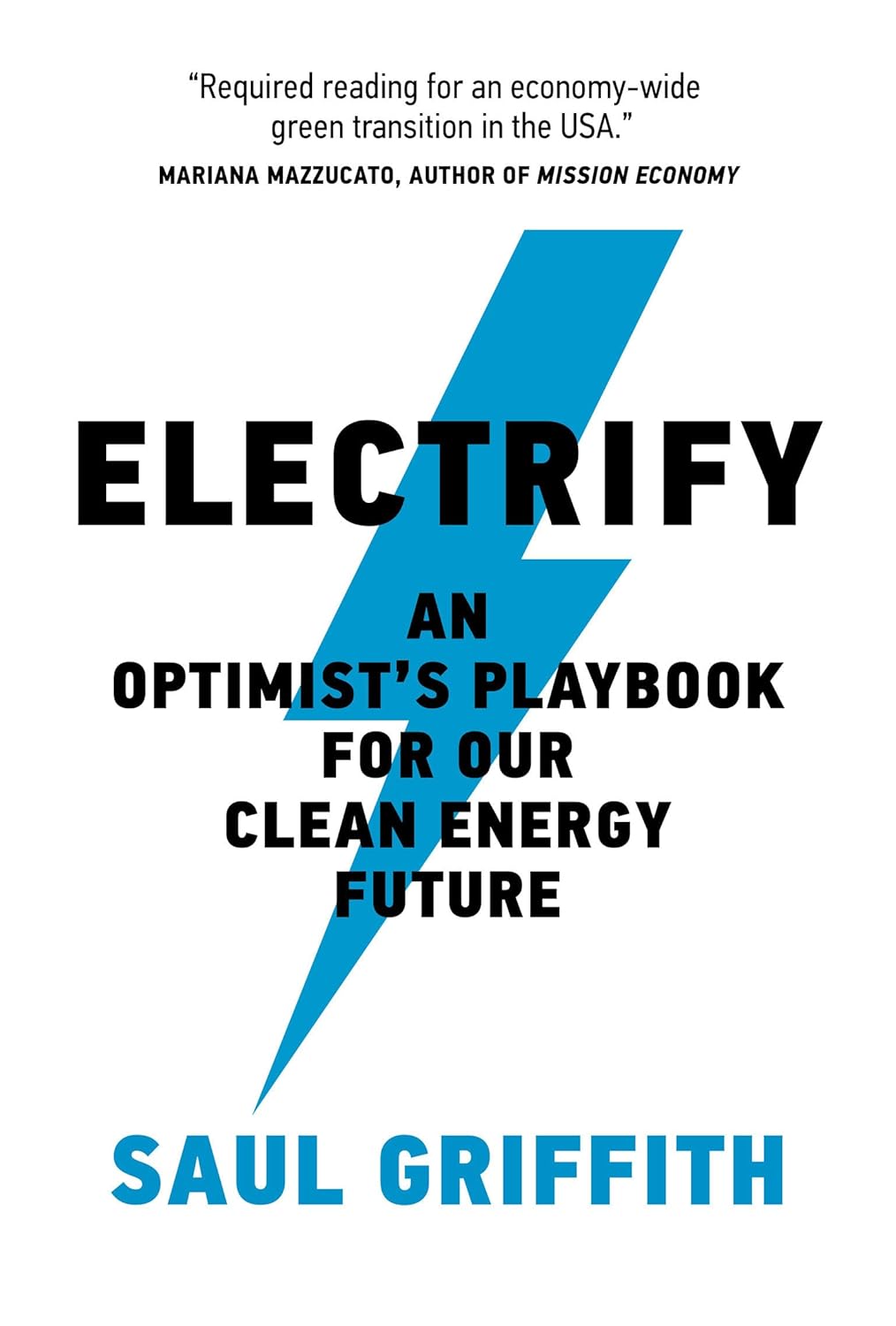
An optimistic but realistic and feasible action plan for fighting climate change while creating new jobs and a healthier environment: electrify everything.

Videos about simple living, self-sufficiency, unconventional (and unique) homes, backyard gardens (and livestock), alternative transport, DIY, craftsmanship, and philosophies of life.

Essay-style deep dive youtube content on climate issues

An indispensable guide for anyone who wants to live to age 100—by making sure there’s a livable world when you get there.

Simon Clark is a scientist turnt full-time youtuber focusing on climate literacy; calm, credible and solutions-aware.
This weekly climate podcast makes saving the planet feel a little less overwhelming. Through stories, humor, and curious conversations, How to Save a Planet explores real solutions already happening around us.

Ever wondered if thrifting, “eco” brands, and reusable everything actually help the planet? This is a go-to channel for sustainable lifestyle tips, where sustainable living gets unpacked with honesty, curiosity, and a little humor.

Climate change is a hot mess. Let's unpack this topic with Hot Mess channel.
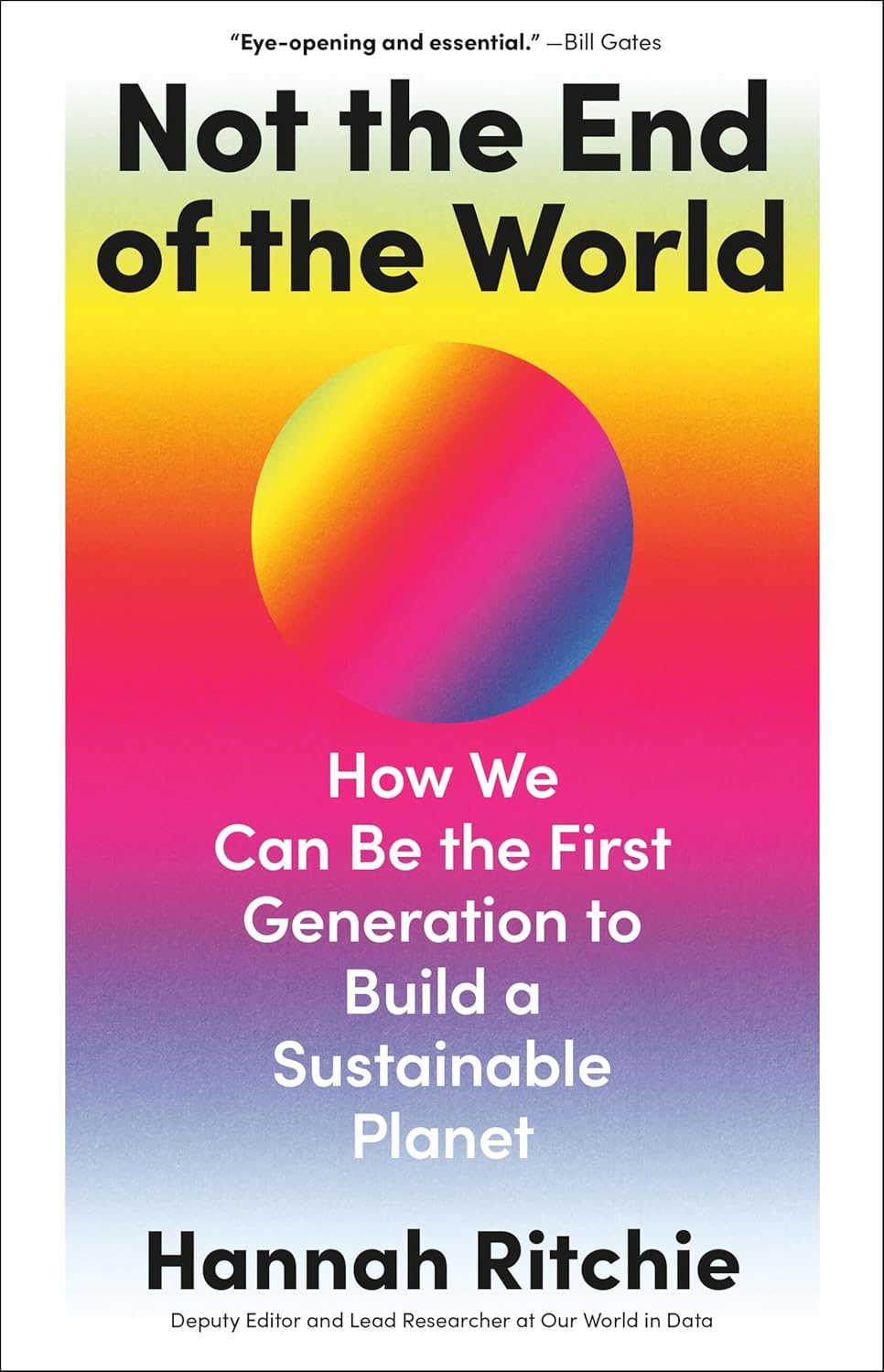
A book for anyone who finds it difficult to believe in a better future - THE TIMES. If you’ve already read Clearing the Air and enjoyed it, this book feels like the natural next step. While Clearing the Air focuses mainly on answering climate questions and cutting through common myths, Not the End of the World zooms out to the bigger picture. It’s less about a single issue and more about asking a broader question: how is the planet actually doing?
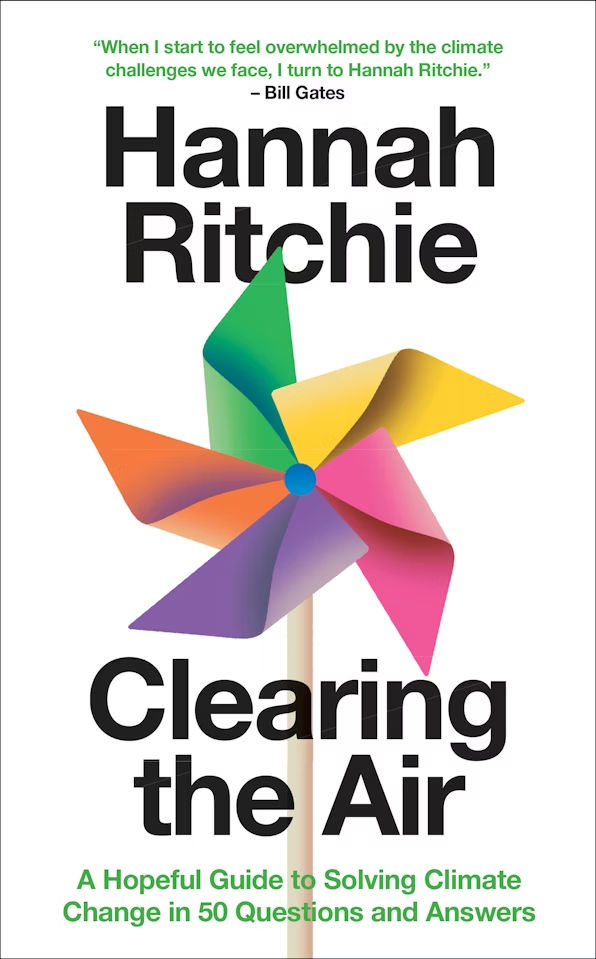
Is it really too late to save the planet? In Clearing the Air, Hannah Ritchie cuts through climate myths with data, showing why the future may be more hopeful and actionable than we think. Why not give it a try?

A review of Useful Belief by Chris Helder and why it's a great read for anyone navigating climate anxiety, overwhelm, or hopelessness and ready to take meaningful action.

Drawdown by Paul Hawken ranks the 100 most effective solutions to reverse global warming. Its level of detail and pragmatic approach make it an empowering and practical climate resource

Most companies have some form of sustainability or energy policy. Asking about it as an employee signals that it matters to the people who work there, which influences how seriously leadership takes it.

City and county governments control building codes, zoning, transit, and energy procurement. Showing up to one meeting, even just to listen, puts you in the room where local climate decisions actually get made.
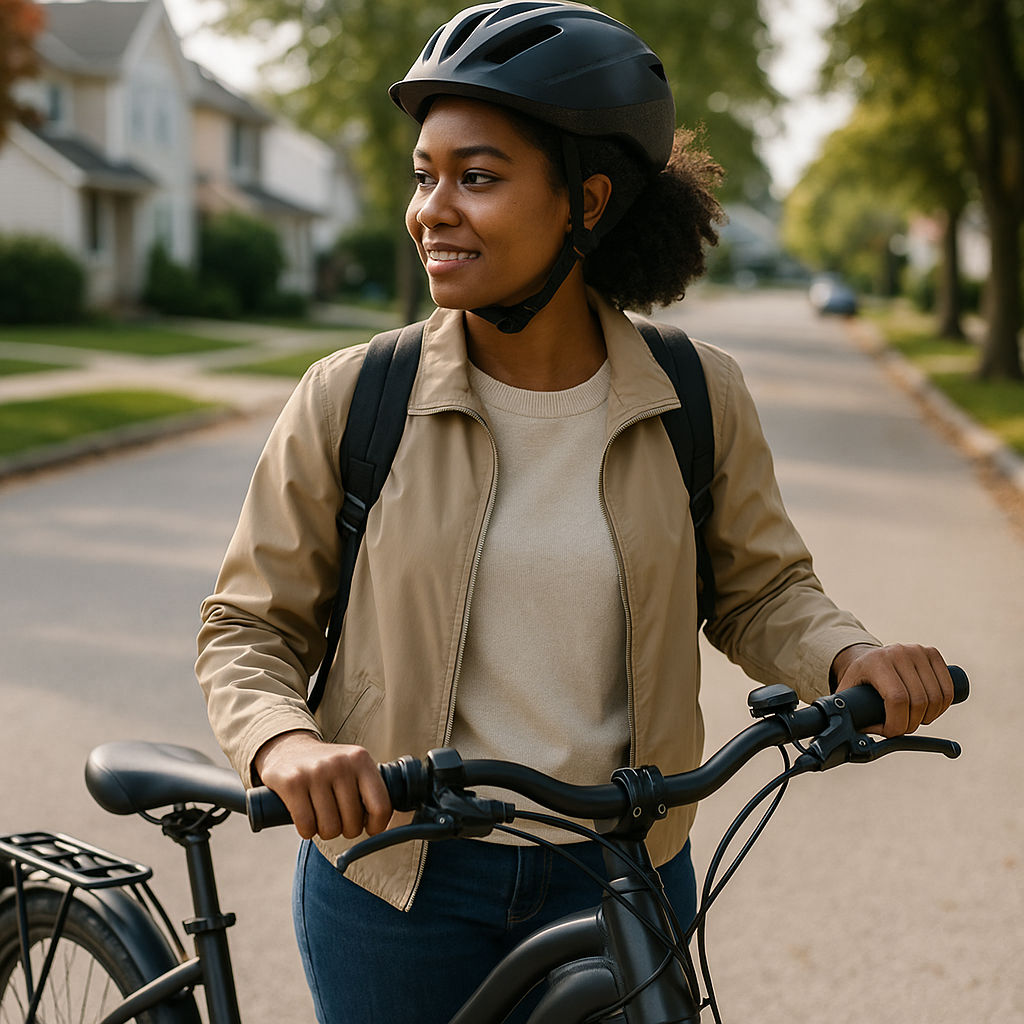
Cars are one of the biggest personal sources of emissions, but getting an EV is a huge investment. However, you can get smaller vehicles for much cheaper for getting around closeby. They are also great for kids if you are tired of driving them every.single.place.

Buying more used items not only saves money, but helps to reduce waste and extra manufacturing.

sustainability certifications are a useful tool in making more informed, responsible purchasing decisions that contribute to climate action.

If you have never done any kind of civic action, climate changemakers has a great opportunity to give it a try. These hour events assume you have no experience, and are a low risk way to see if civic action resonates with you.
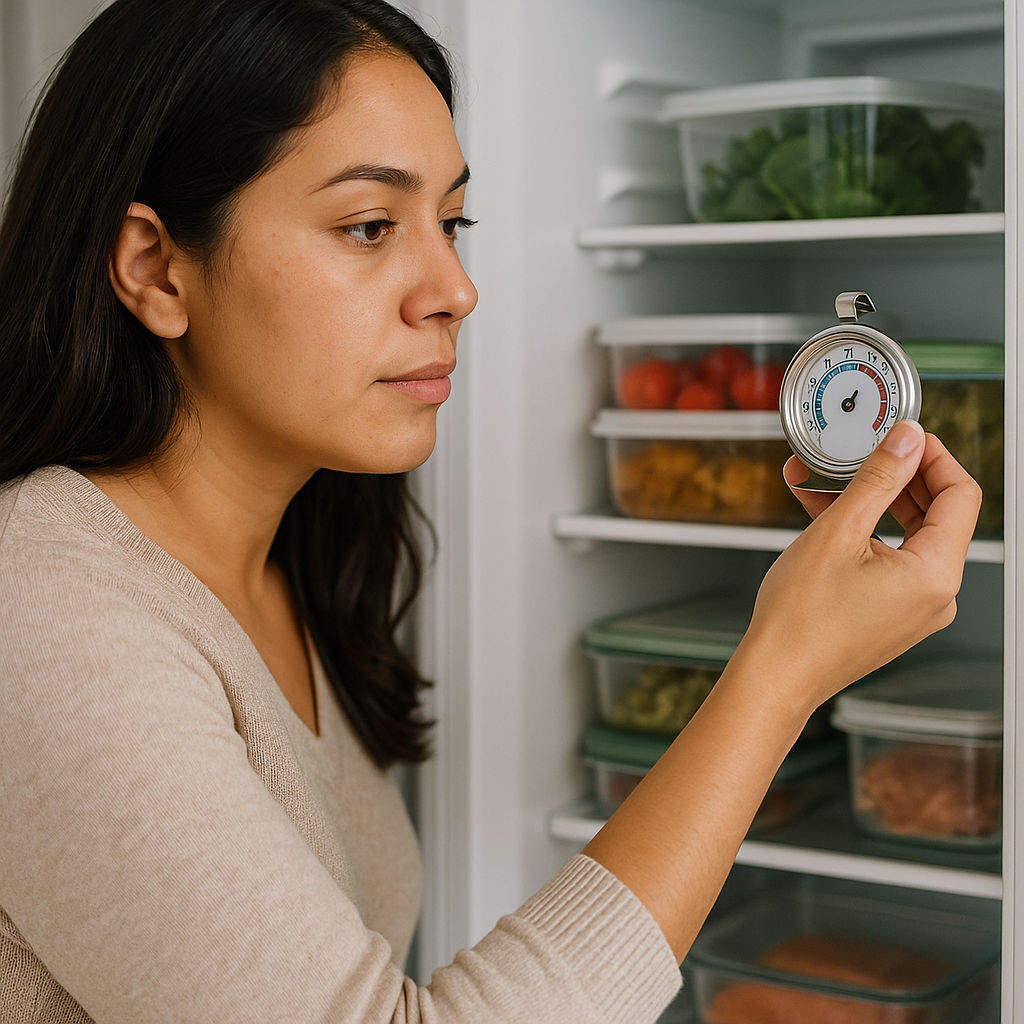
If your fridge and freezer aren't maintaining proper temperatures, it can lead to more food spoiling sooner, especially more expensive items like meat and poultry. On the other hand, if they are too cold, it can cause more power use and stress to the compressor. Its a good idea to check the temperature settings every one in a while to make sure its where it should be
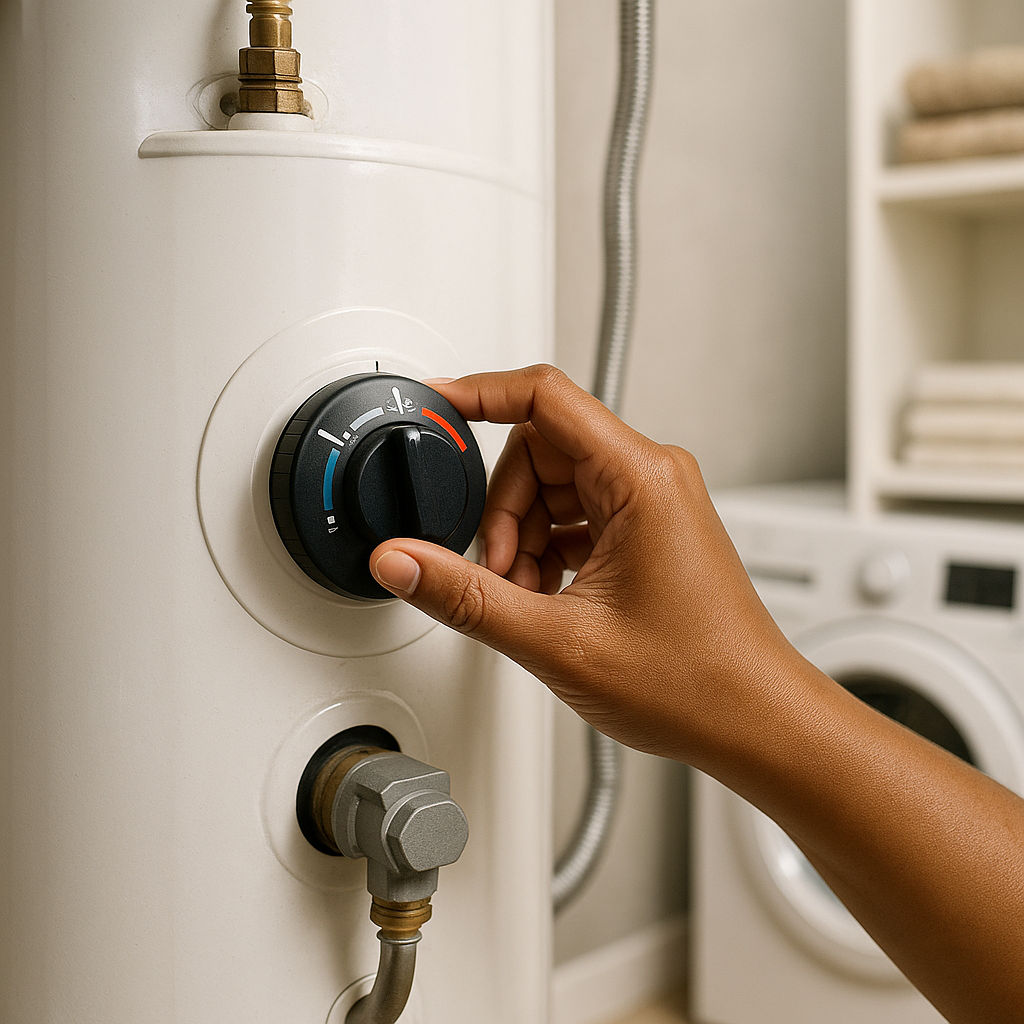
Your water heater is one of the biggest energy users in the house, and a lot of it is just keeping the water warm even if you aren't using it. Often, they are keeping the water too hot and just using extra power
Sending a short message to your elected representative about clean energy takes five minutes and costs nothing and constituent contact influences policy more than most people realize.

Where you save money has a larger climate impact than you might think. Banks loan your money to fund many different projects, from clean energy and community projects to fossil fuels. By choosing a better bank, you can ensure your money is being used for good projects, and usually earn more interest in the process. And you don't have to fully switch, even just moving a part of your savings can make a meaningful difference
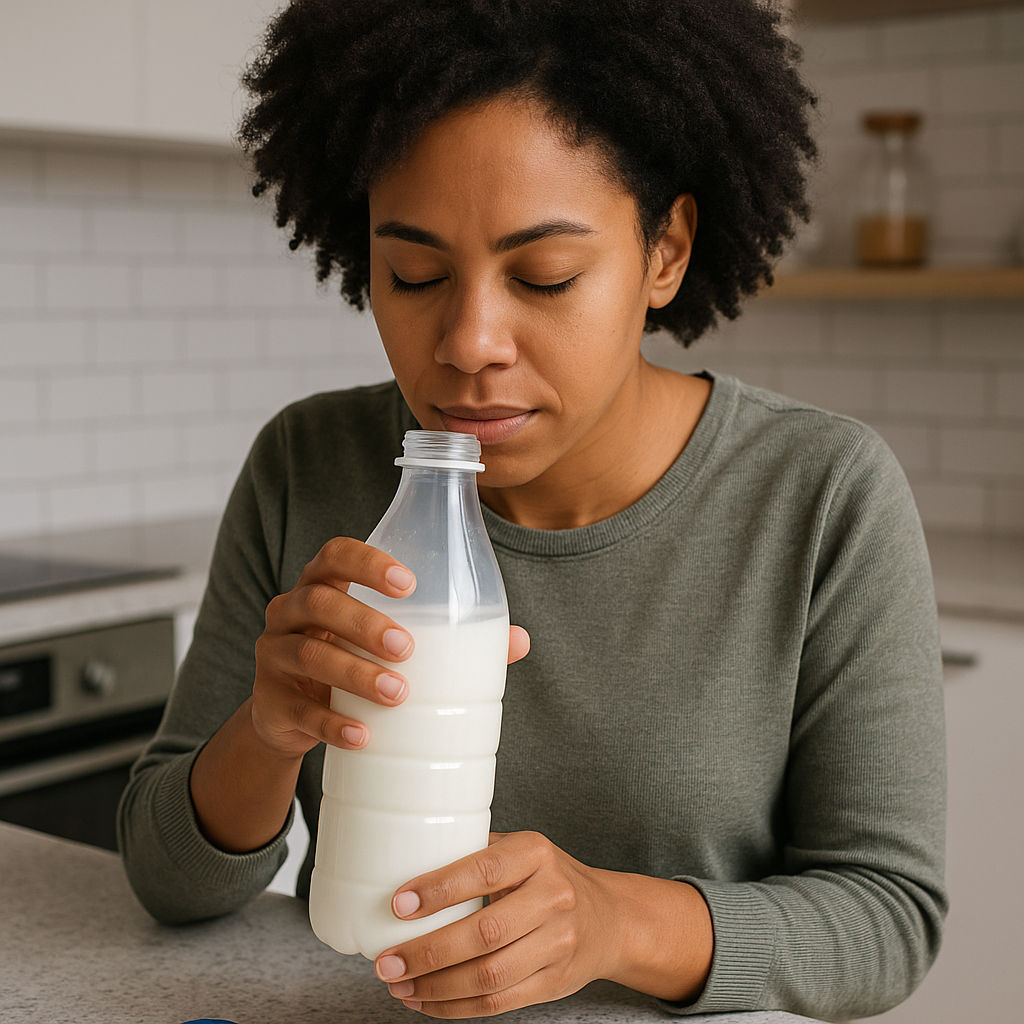
Food waste is a contributor to climate change due to the methane it releases as it breaks down in the landfill. One of the easiest ways to avoid food waste is to only throw away only food that is actually bad.

In many cases, check engine lights indicate an issue with the emissions system or some other issue that's causing lower efficiency. Not only will getting it checked prevent bigger problems in the long run, but it'll improve your car's efficiency right away

Thrifting is going mainstream - Buying secondhand clothes can save you money and time while slowing down the carbon-intensive ‘fast fashion’ market.
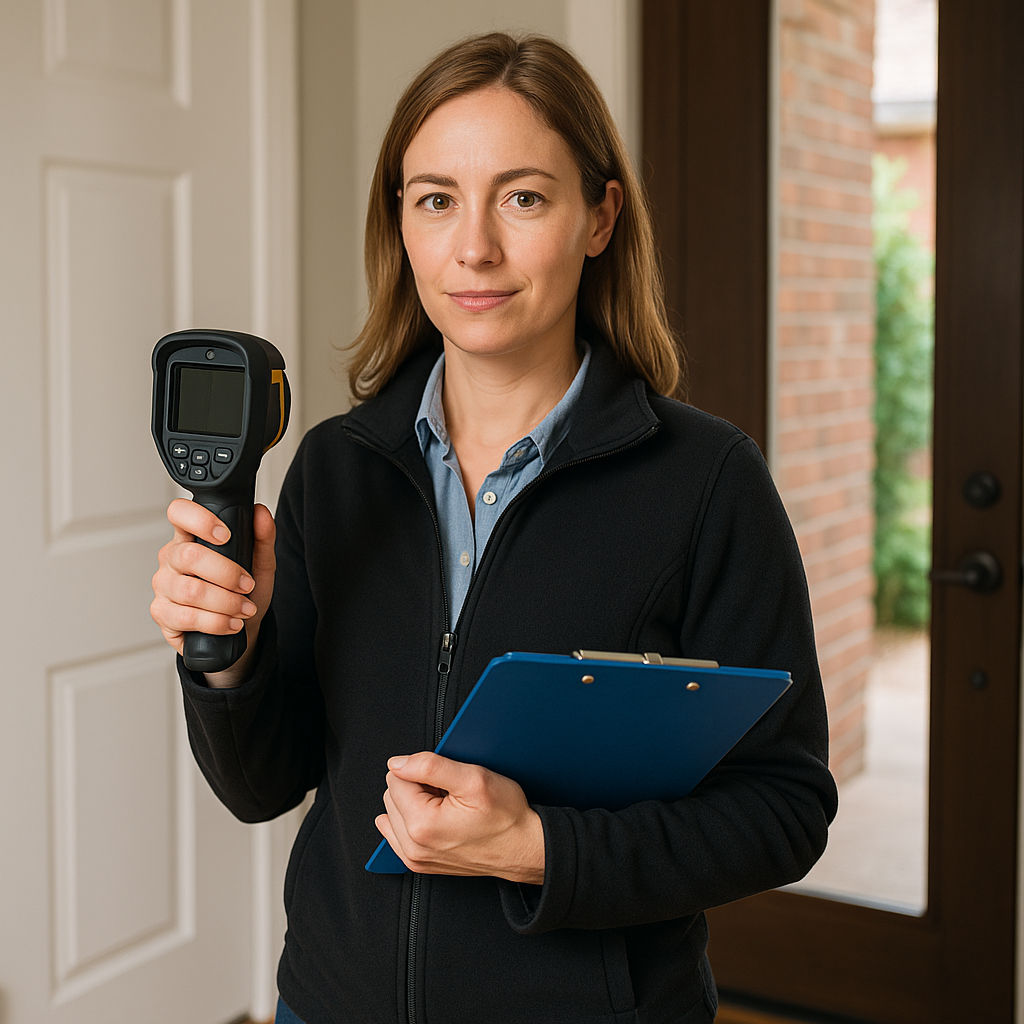
if you have an older house and aren't sure what you should upgrade, an energy audit is a good place to start, since you'll get a list of recommendations based on a close inspection of your house

Many Company 401K providers have 'ESG' options, which invest specifically in companies with documented ethical standards. These typically have very similar risk profiles to index funds, and avoid industries like fossil fuels.

Low flow shower heads in the past did not feel as full, but modern versions have improved a lot of the problems, so they are worth another look!
Voting is the highest-leverage political action available to most people. Checking your registration takes two minutes and making sure it's current is the first step to using it.

Junk mail is so pervasive, and it's something that no one wants. Did you know that you can sign up for a few lists to significantly reduce how much you get?
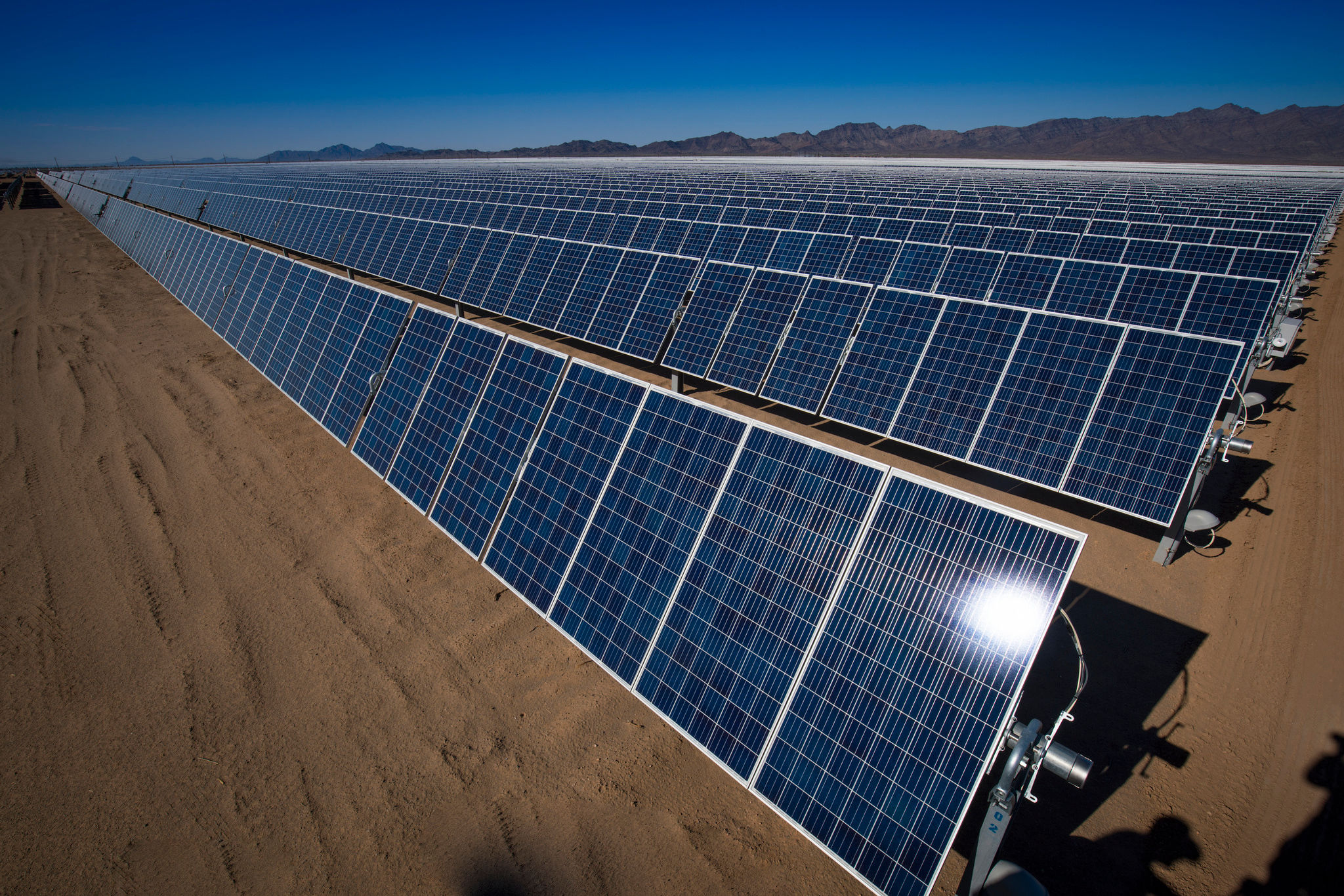
In some areas, utilities offer fully renewable energy plans. Switching to one can have a large impact on carbon emissions and sends a signal, and is one of the easiest changes you can make

Beef is a big contributor to climate change, but its unfortunately also delicious. Fortunately, you don't have to be a vegetarian or give up beef to make an impact. Beef has 10x the footprint of poultry, so just sometimes having chicken instead is a meaningful change

This doesn't sound like it would matter that much, but its actually one of the most important things for both our mental health and for addressing climate change itself
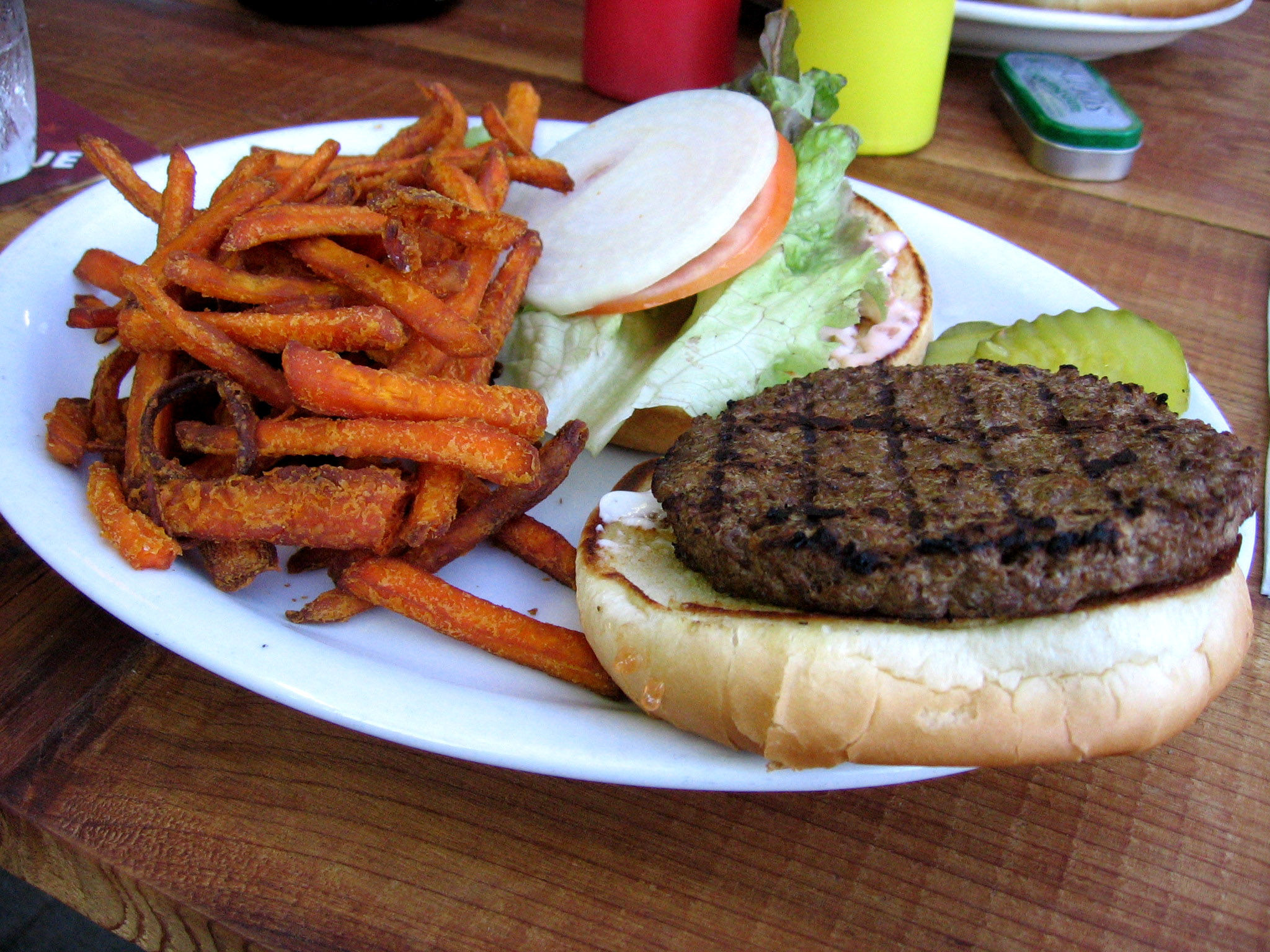
I'm not going to tell you that meat substitutes taste "just like beef™", but they are actually pretty good as their own food, and they have gotten a lot better recently. Give a bean burger or impossible burger a try sometime

Induction stoves are super efficient and fast, but full ranges are pretty expensive. Fortunately, you can get single burners for much less and still get most of the benefits
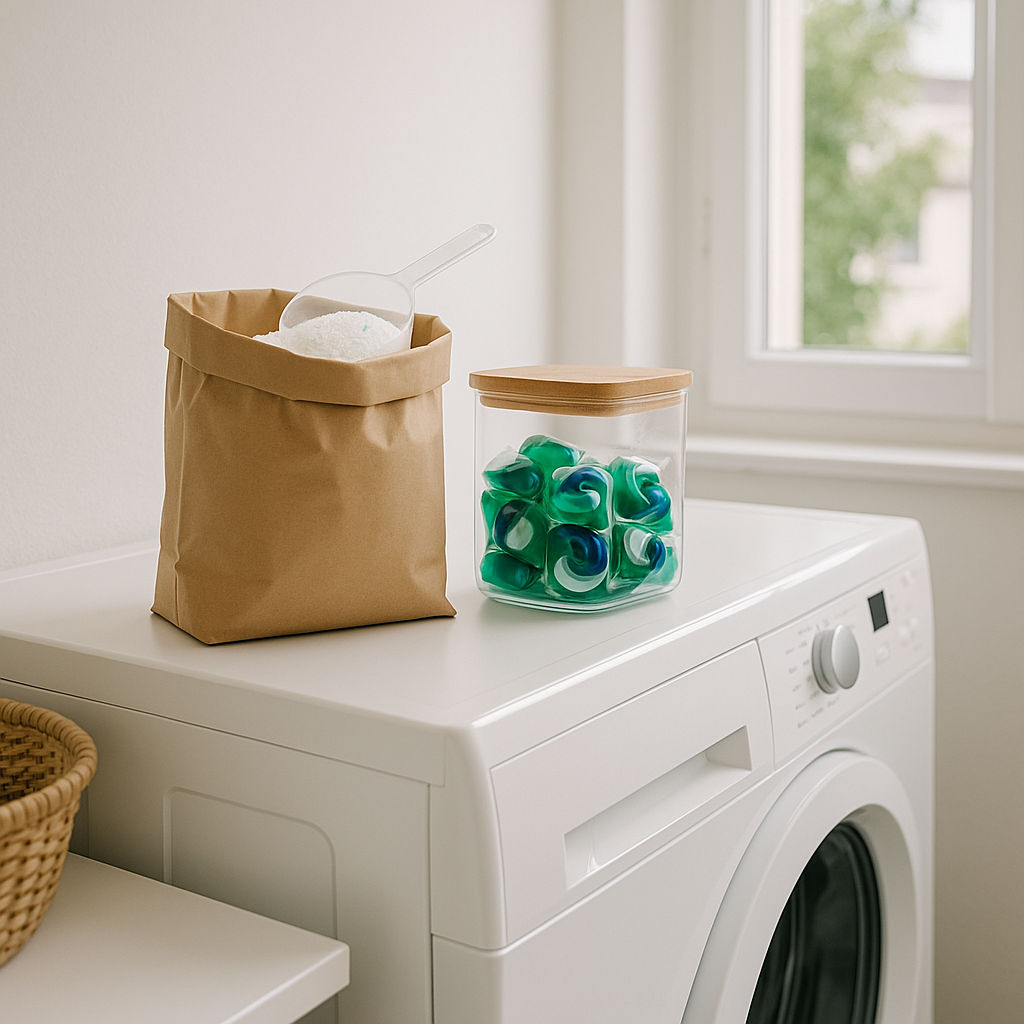
Many new laundry detergents are coming in powder or pod form instead of liquid. These detergents work just as well, they are just shipped without the water, making them much easier to transport and often less expensive than traditional liquid detergents
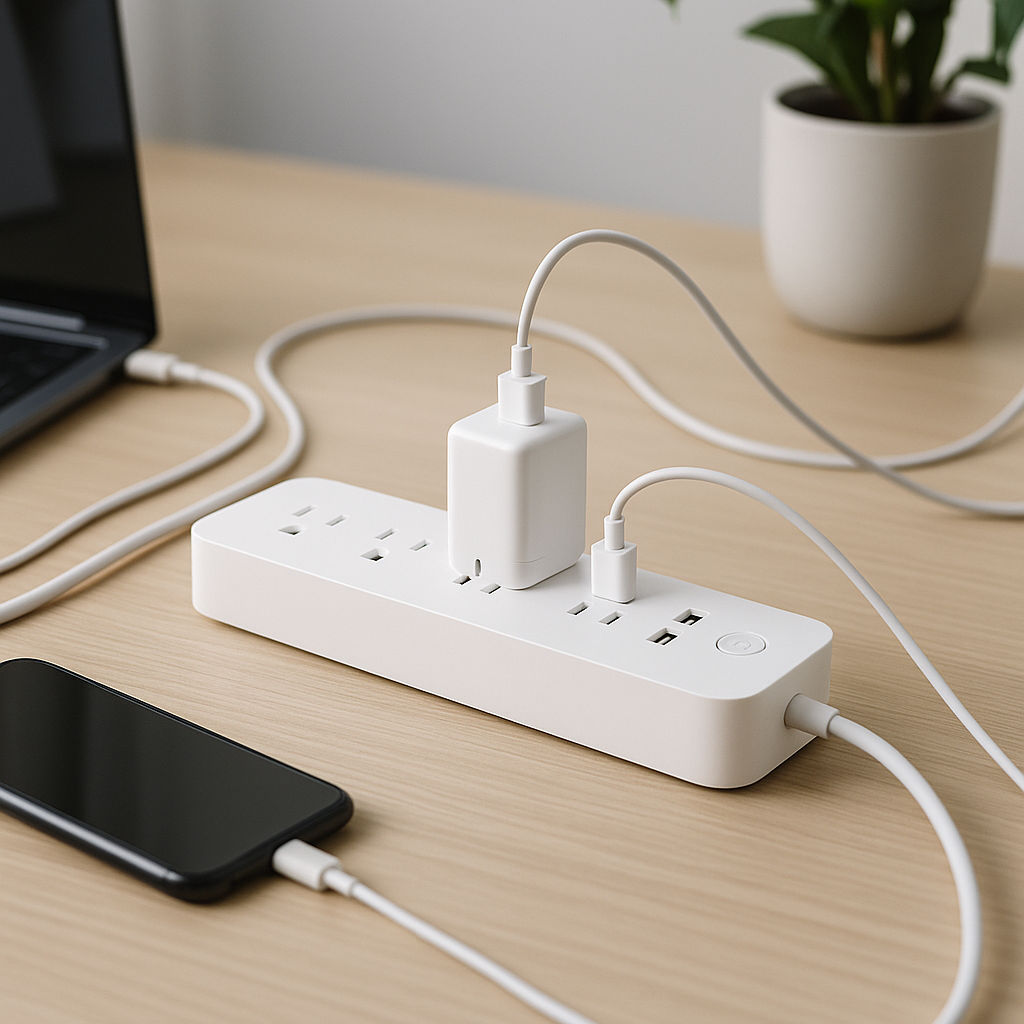
Keeping electronic devices on standby uses power, and over time (and many devices) this can really build up. Using a smart power strip or simply unplugging electronics when not in use reduces energy usage.

Sustainable or responsibly sourced pet food supports your pet’s health with high-quality, nutrient-dense ingredients. It can also lower the environmental footprint of pet diets, which are a surprisingly large contributor to agricultural greenhouse gas emissions.
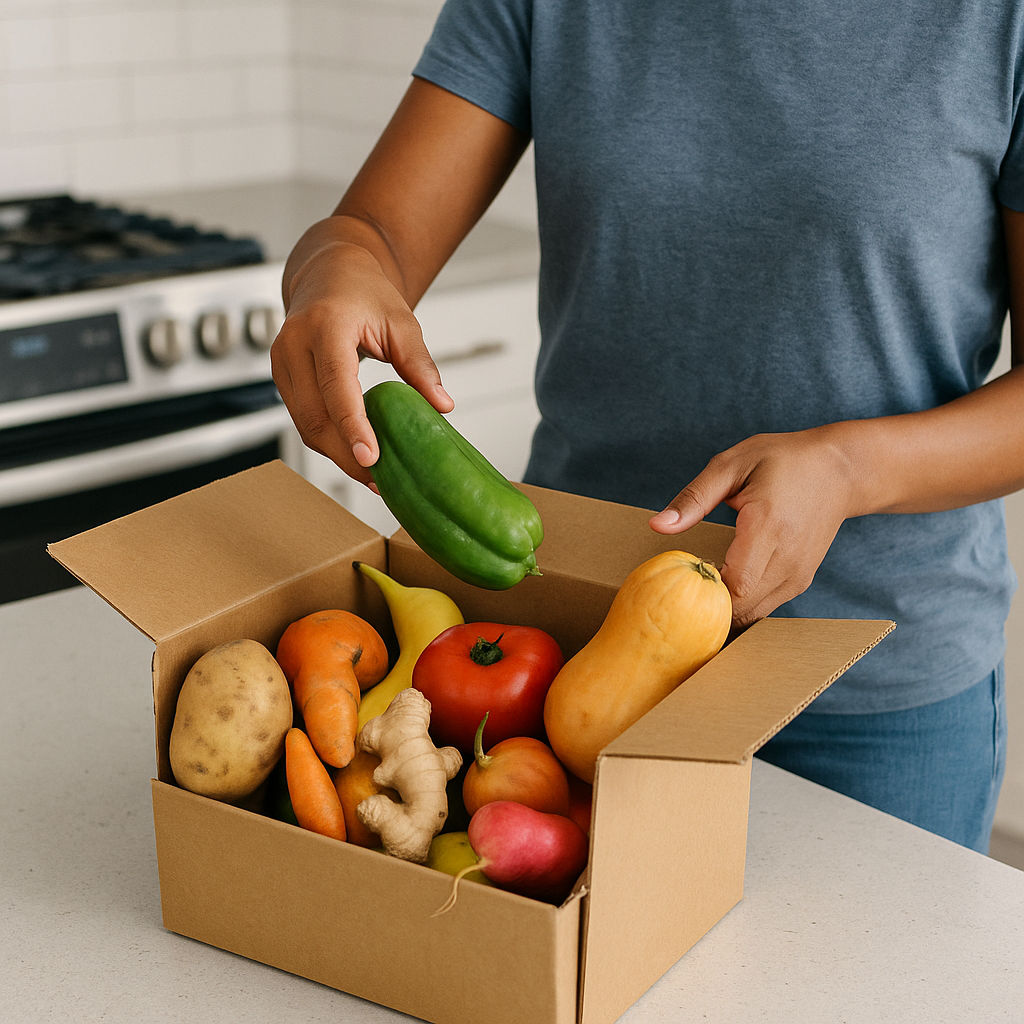
A lot of perfectly good fruits and vegetables don't make it to grocery stores due only to imperfections in their appearance. Fortunately, 'imperfect produce' subscription services are popping up, so you can help prevent fresh food from being wasted while saving some money.
Electric motorbikes in Pakistan are cheaper to run than petrol bikes, require less maintenance, and are now available from local brands at accessible price points.
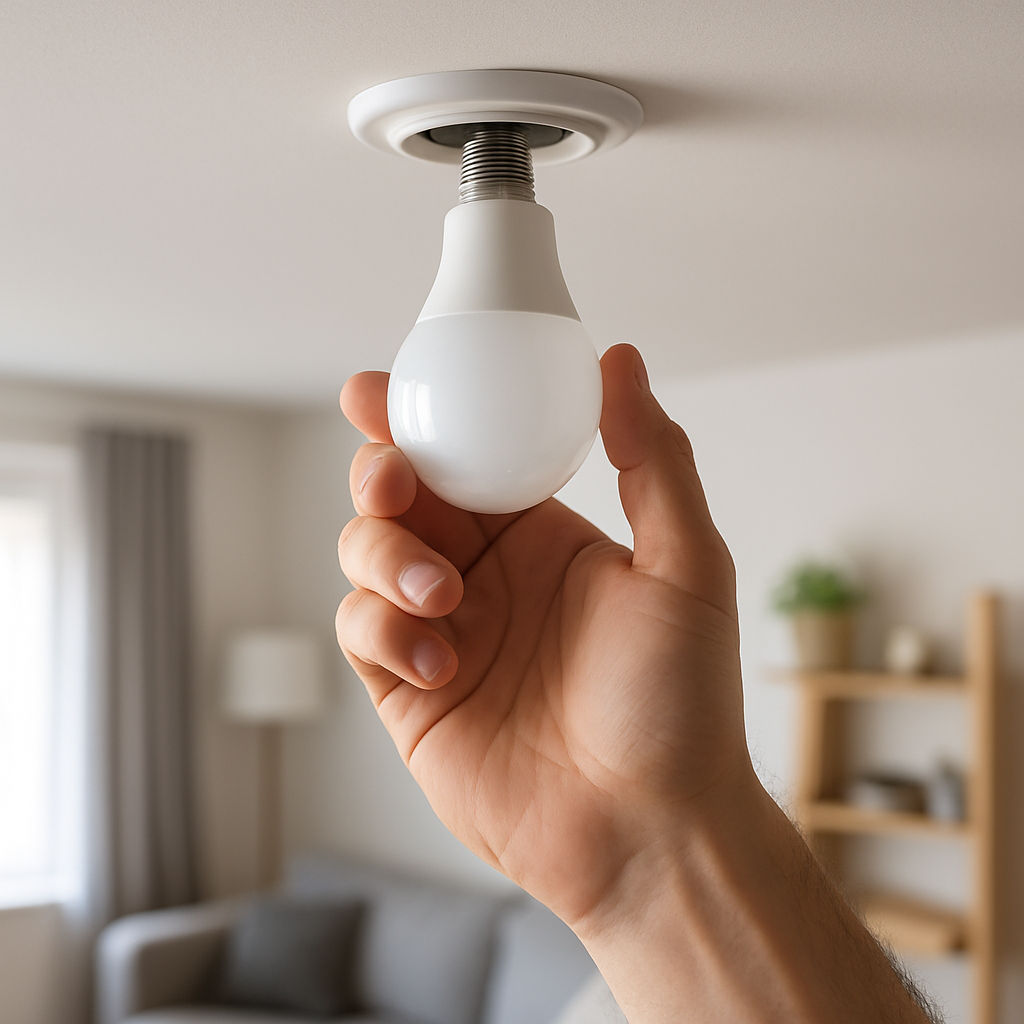
LED light bulbs aren't what they used to be: in the past they were very harsh, but that’s not true anymore. Now they come in warm tones, soft whites, and even dimmable options that look and feel just like the old ones, but with a much longer life.

A growing community of producers, designers, and consumers is transforming the industry, proving that it's possible to dress stylishly in a more sustainable way.
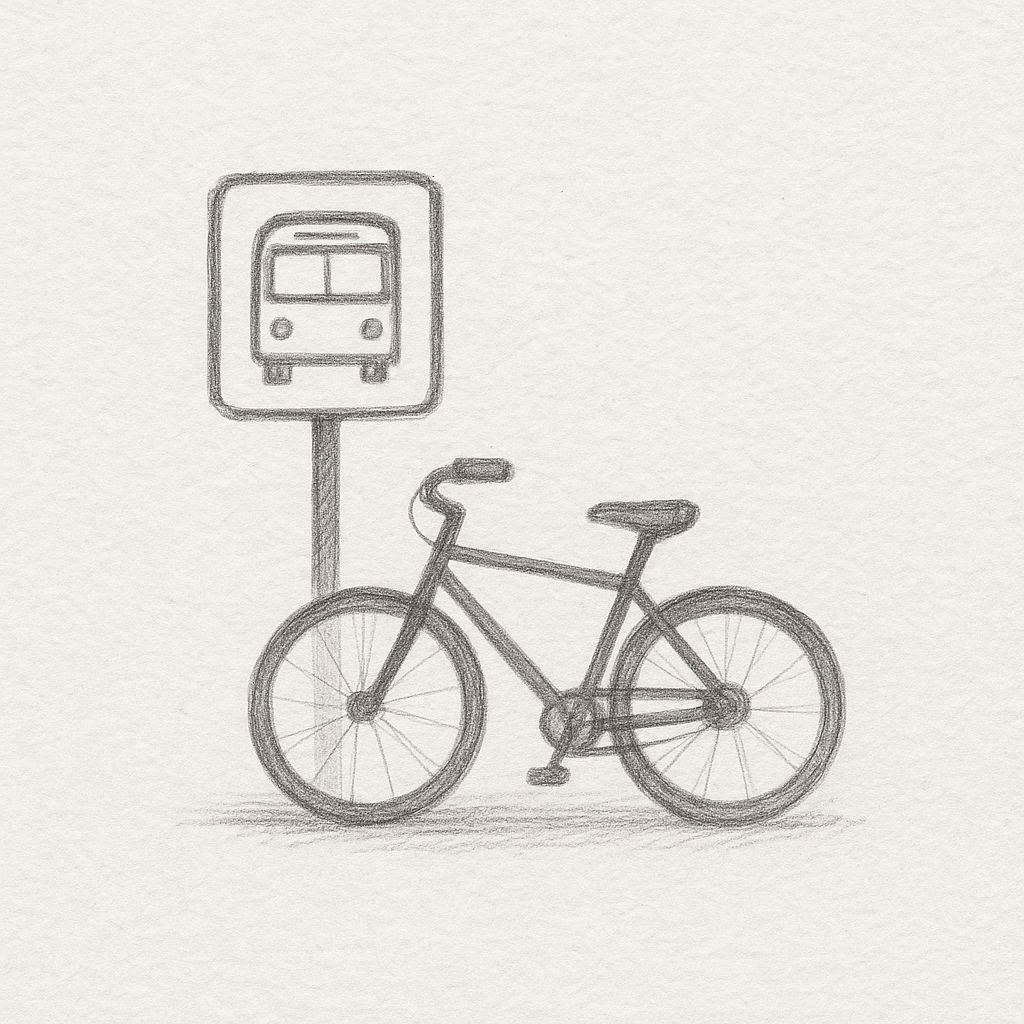
Shared auto rickshaws and app-based carpooling are already part of everyday life across South Asian cities and splitting a ride cuts emissions, reduces traffic, and saves money at the same time.

Deep down (and according to research) most of us don’t really want to deal with the holiday gift rush. One alternative that is growing in popularity is gifting experiences instead of physical gifts

Next time you are buying ground beef, try using ground turkey instead. I won't tell you it tastes the same, but it is very good and is significantly cheaper too. And it makes a bigger climate impact than you might think - beef causes 10 times as much emissions as poultry or seafood pound for pound

There are a lot more milk alternatives out there than there used to be. Oat milk is a good one for coffee, and has a much longer shelf life
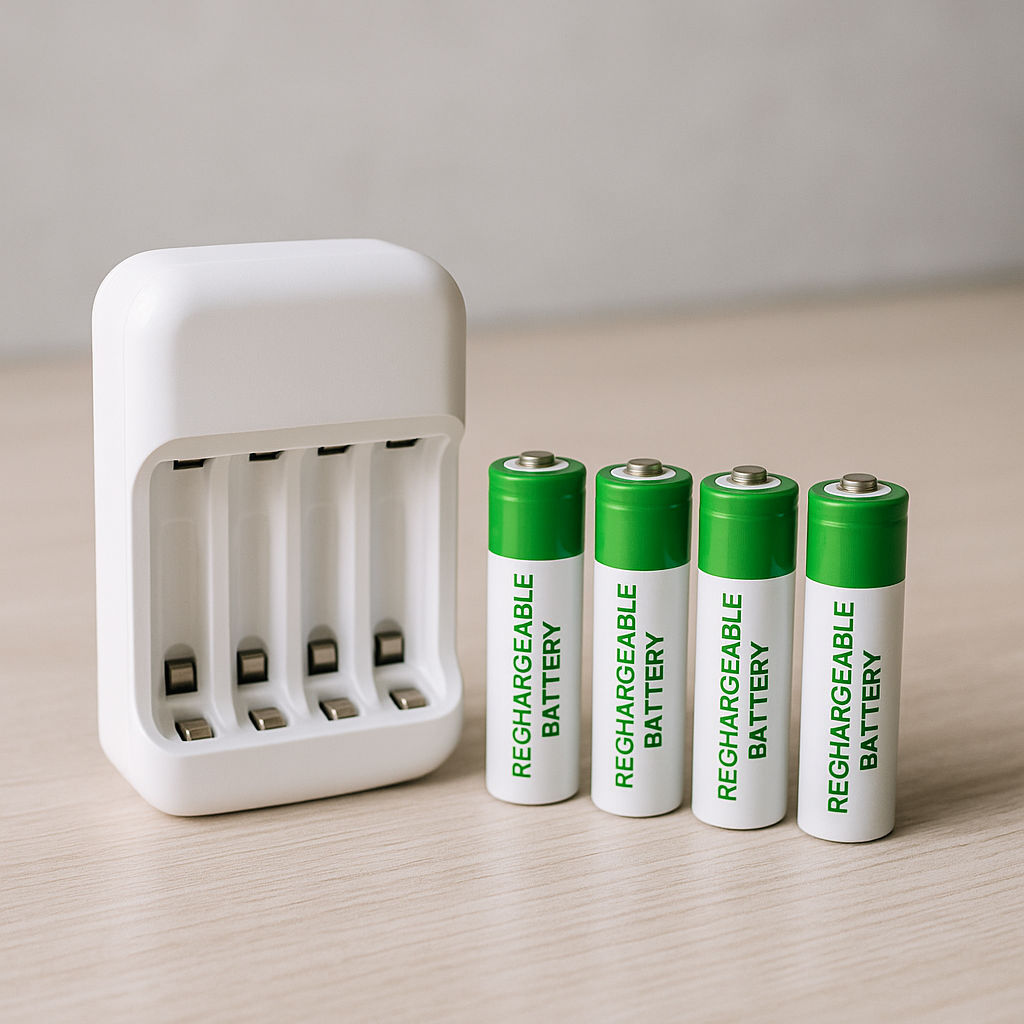
Rechargeable batteries save you money over time because they last for hundreds of cycles, reducing the number of replacements you need. Switching to them helps the climate by limiting the resource extraction, transportation emissions and toxic e-waste associated with disposable batteries.

If you see an interesting social media post about climate change or sustainability, share it so folks in your network see it too.

Soy protein powder has comparable macros to traditional whey, and is actually creamier too
5Calls gives you a script, a phone number, and a specific issue to call about; making constituent calls take under three minutes with no preparation needed.

If your job allows it, working remotely is a great way to get more done by skipping the daily commute. Remote work took off when COVID hit, and many companies realized that people are just as productive remotely as in the office.

composting can help reduce food waste and provide nutrient rich soil for your plants or yard. It may sound like a lot of work, but it is not as hard as most people think
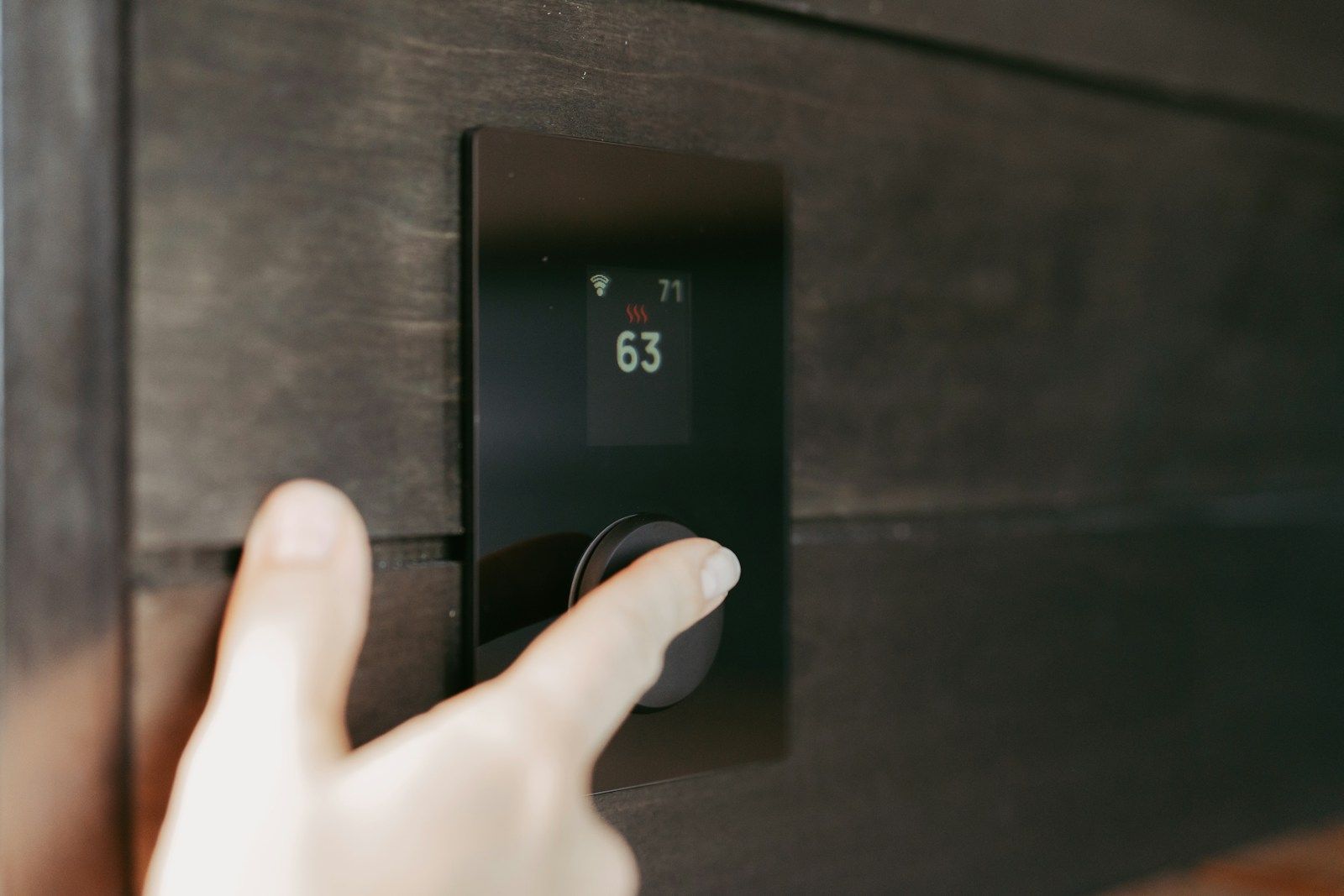
If you don't already have a smart thermostat, This is probably the biggest bang for your buck for A/C related updates. Many of them learn from you and will keep you from wasting money cooling or heating the house when no one's home

Did you know that gas lawn tools are way less efficient than gas cars? Running a gas lawn mower for an hour has the same emissions as driving for 300 miles. Fortunately, upgrading your mower is a LOT cheaper than getting an EV, not to mention way quieter (and no pull starting)
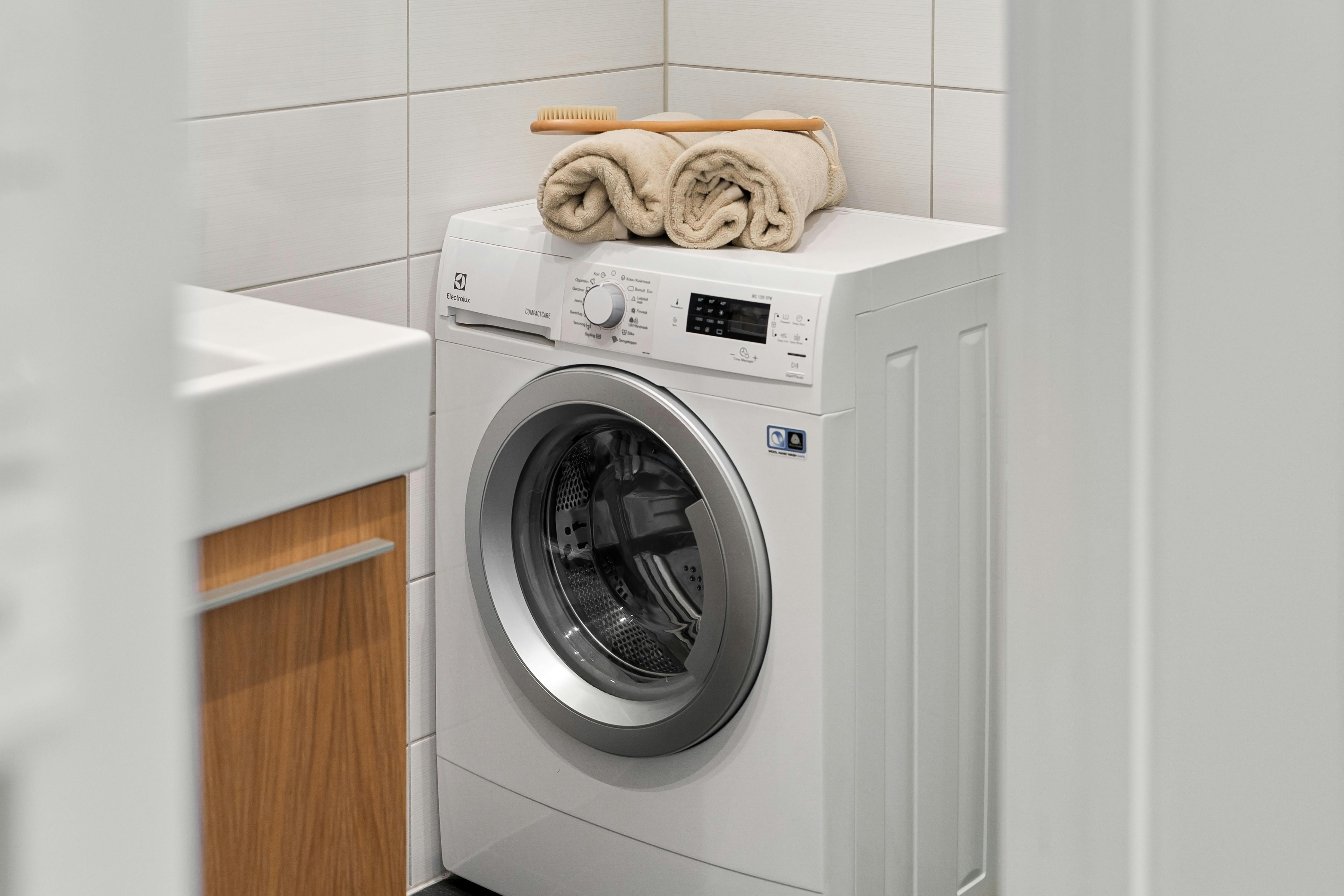
Thanks to advances in detergent technology, cold washing is just as effective as washing with hot water, while also helping your clothes last longer.
Ecosia is a free search engine and browser that uses its earnings to plant trees. I'll admit Its not quite as good as google, but its 100% free

Participating in smaller, local elections is a great way to have an outsized influence in your community. Local elections have notoriously small turnout, so each vote makes a big difference. Also, bond measures tend to be more tangible and short-term, so you can actually see the results of what you helped pass. Good examples are improved transit infrastructure, biking or walking trails, or utility improvements.
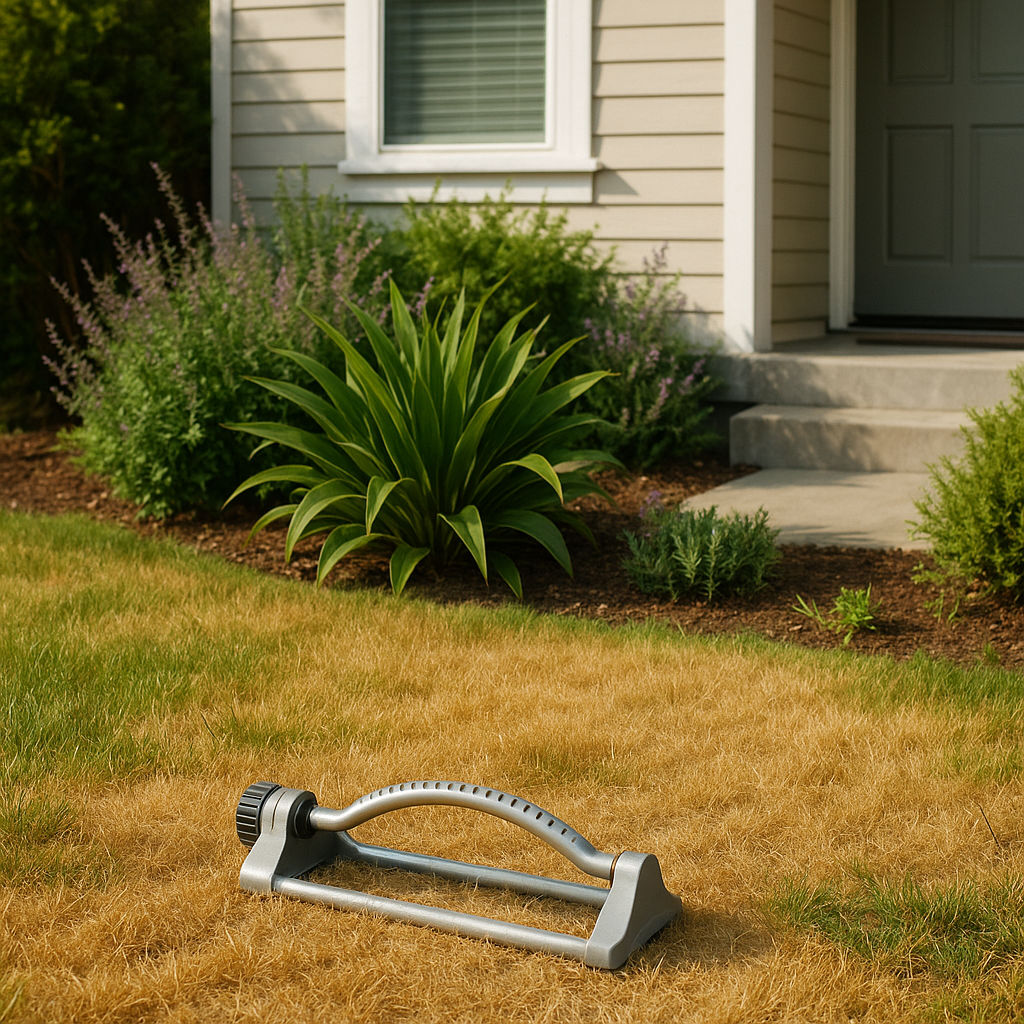
Watering grass is one of the biggest uses of water we don't think about, and its just creating more yard work for yourself and can actually be worse for the grass. Its ok for grass to get a little brown when its dry; it will grow back green once the weather is more amiable.
Local newspapers publish reader letters regularly and local officials read them. A short, personal perspective on a local energy or climate issue reaches further than most people realize.
If you are looking to donate money to politicians who are pushing for change, Climate Cabinet is a great resource to make sure its as impactful as possible
The fact that climate change is seen as a partisan issue holds back effective climate policy in the US. DEPLOY/US is a non-profit that works to loosen polarization and increase bipartisan support and collaboration for decarbonization.

Donating to a nonprofit is a great way to supplement your personal climate action and spread your impact. However, as with any donation, it's hard to figure out which groups are actually focused on doing good and have the most impact. Fortunately, Giving Green is doing the research to provide much needed clarity.