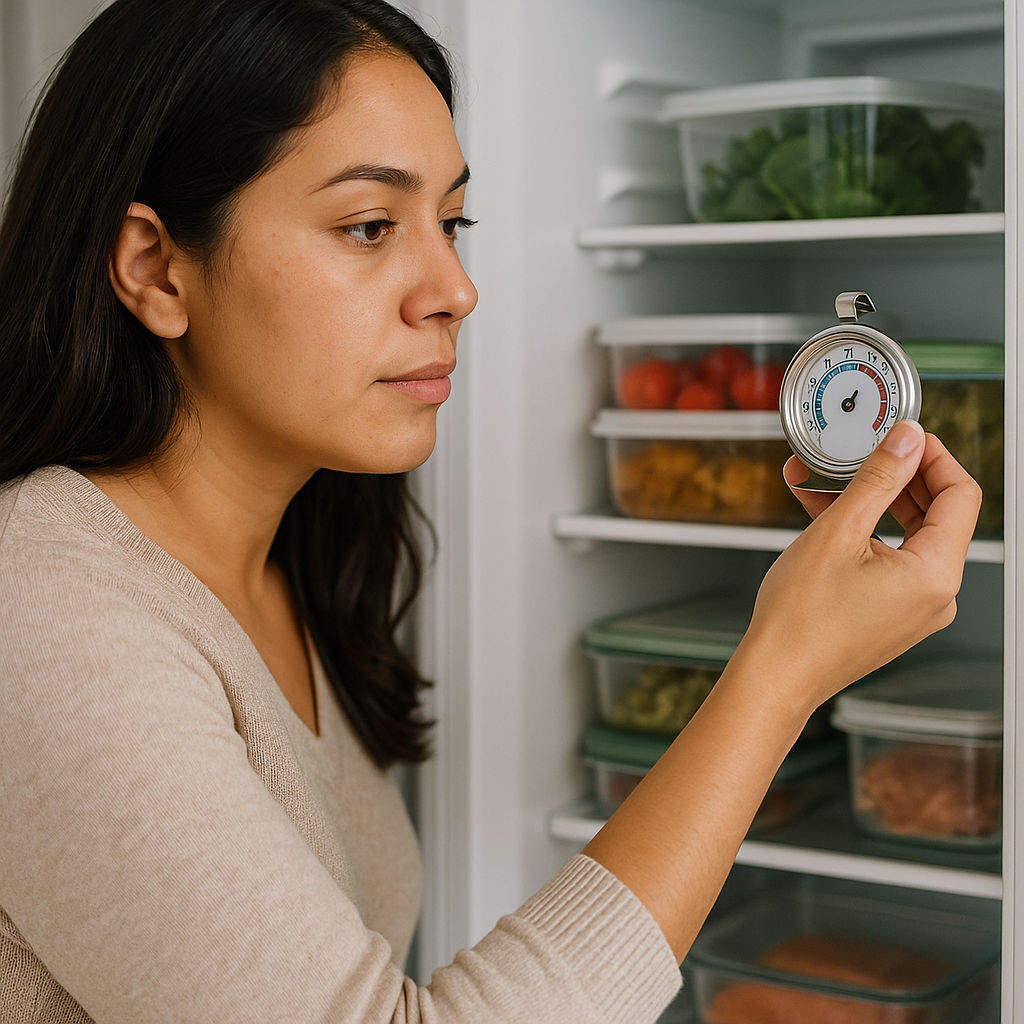
Check that your freezer and fridge are set to the right temperature
If your fridge and freezer aren't maintaining proper temperatures, it can lead to more food spoiling sooner, especially more expensive items like meat and poultry. On the other hand, if they are too cold, it can cause more power use and stress to the compressor. Its a good idea to check the temperature settings every one in a while to make sure its where it should be
Most of us don’t think twice about the temperature in our fridge or freezer, we just assume it’s “cold enough.” But even a small deviation can have big consequences. If your fridge is too warm, bacteria can multiply quickly, causing food to spoil faster. On the flip side, if it’s too cold, delicate items like vegetables can freeze, energy bills can rise, and your fridge’s compressor works harder than it should.
I learned this the hard way a few months ago. I noticed milk was spoiling faster than usual and my fresh vegetables weren’t lasting. A quick check revealed that the temperature dial had accidentally been bumped, leaving the fridge too warm. That little mistake ended up costing me several day’s worth of groceries. It was a clear reminder that temperature control isn’t just about convenience - it’s about food safety, saving money, and keeping your appliance running efficiently.
According to the U.S. Food and Drug Administration (FDA), your fridge should stay at or below 40°F, and your freezer at or below 0°F. For certain types of fridge, you might even need to aim it a bit lower 35°–38°F (1.7–3.3°C). This keeps your food as cold as possible without freezing it, and stays safely below the 40°F point where bacteria start multiplying quickly.
Maintaining the right temperature in your fridge and freezer is key to slowing bacterial growth and keeping food safe for longer. Salmonella and E. coli, for instance, can multiply rapidly on eggs, meat, or cooked leftovers if they sit above 40 °F (4 °C). But if your fridge or freezer is set too cold - below 32 °F (0 °C) - you risk freezing fruits and vegetables, which can ruin their texture and flavor, while also using more electricity than necessary. Striking this balance isn’t just about food quality and safety - it also has a real impact on the climate. Overly cold settings lead to higher energy consumption, increasing carbon emissions, while spoiled food contributes to food waste, which itself generates greenhouse gases when it decomposes in landfills. By keeping your fridge and freezer at the right temperatures, you reduce both energy use and food waste, helping the planet while keeping your meals fresh.
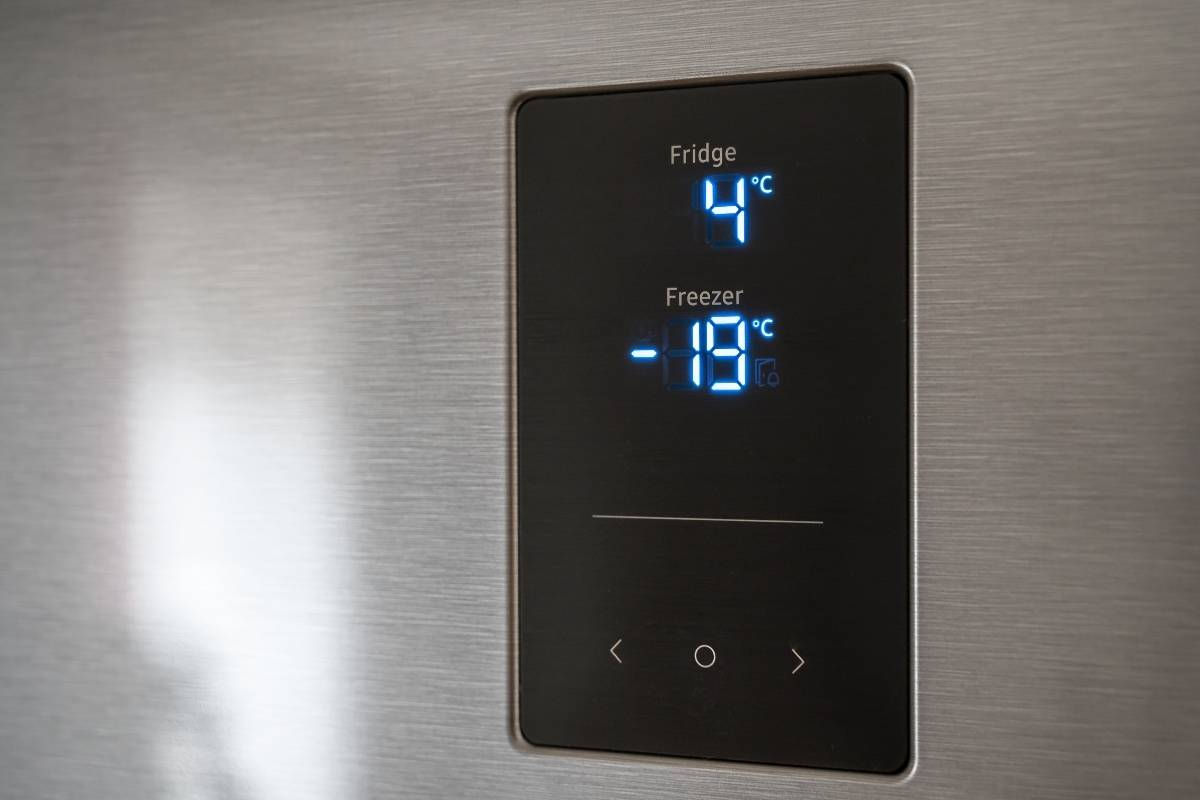
Image from Fixit
Keeping your fridge and freezer at the right temperature is easier than you might think — and it makes a big difference for food safety, freshness, and energy efficiency. Here’s how to do it step by step:
Get the temperature right
- Use a simple refrigerator/freezer thermometer for accuracy. For the fridge, aim for 37°F-40°F (3-4°C), and for the freezer at least at 0°F (-18°C). Place the thermometer in the center of the fridge or freezer, not on the door or back wall, and leave it for a few hours (or up to 24) to get a stable reading. Adjust the dial or digital settings as needed.
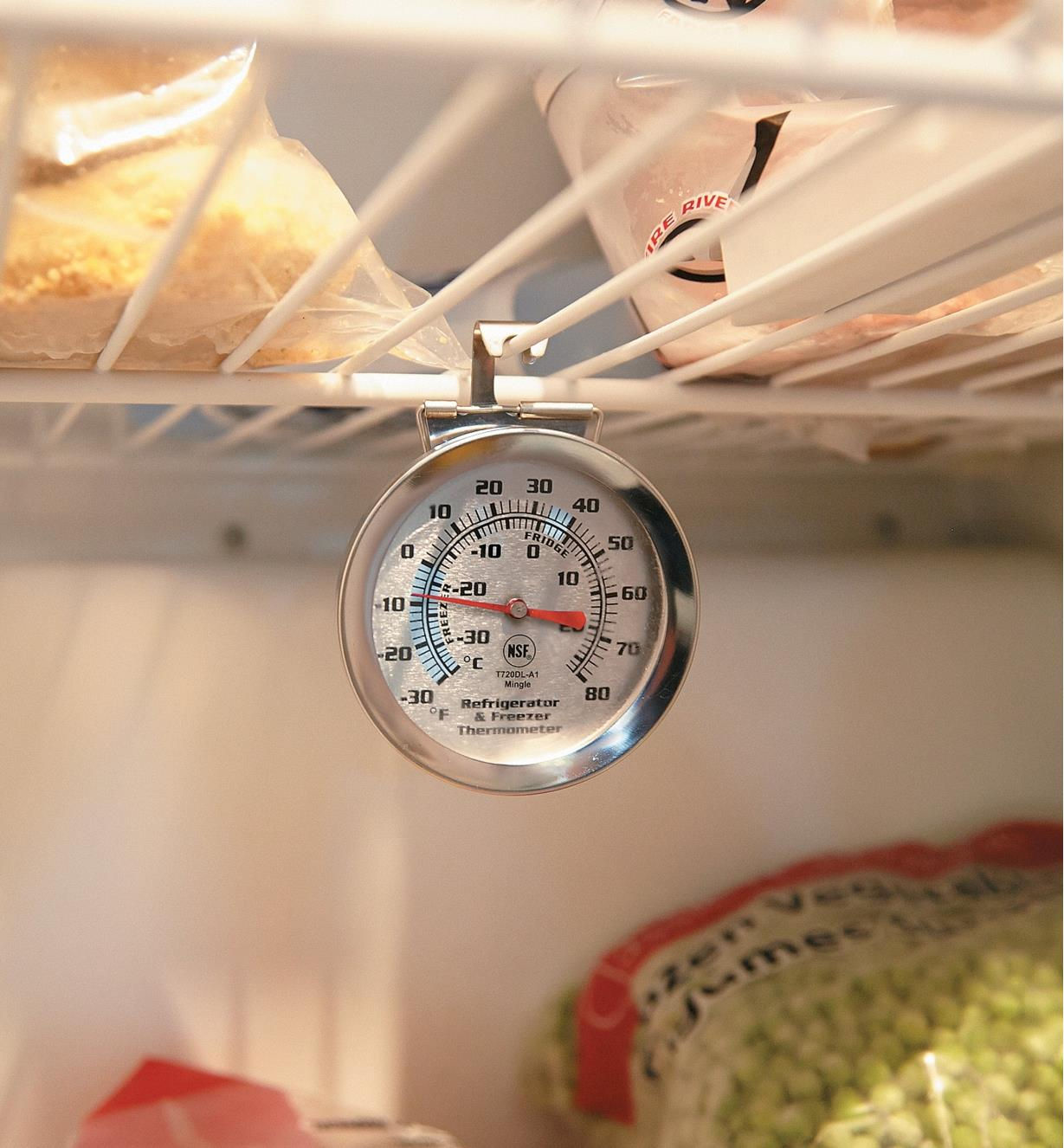
Image from LeeValey
Check the door seals
- The gasket around the door keeps cold air in and warm air out. A loose or dirty seal can let air escape, making your appliance work harder and wasting energy. Test it by closing the door on a dollar bill or piece of paper — if it slides out easily, the seal may need cleaning or replacement. Wipe it down with warm, soapy water to remove crumbs or residue.
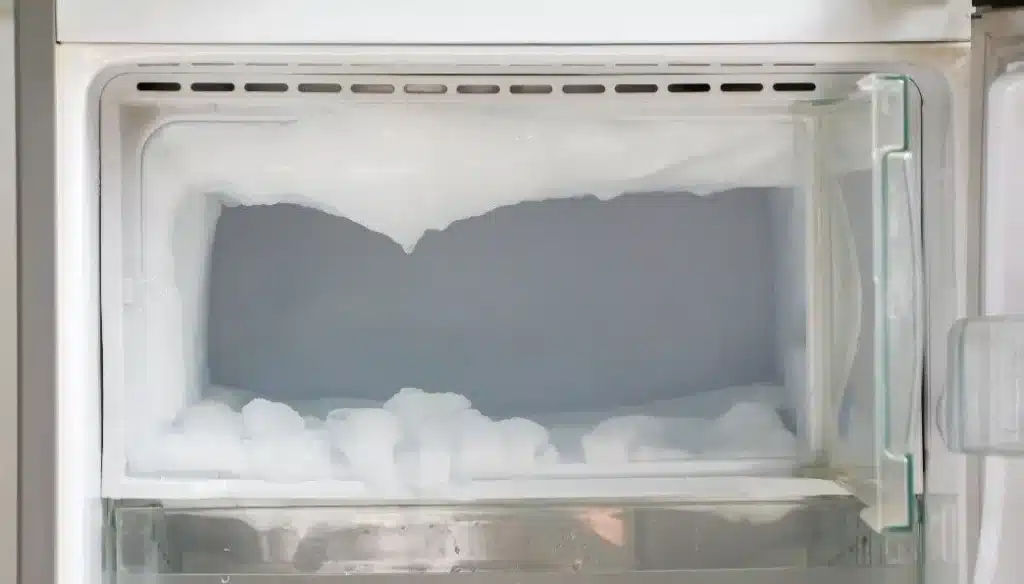
- If you notice “frost” forming on items in the freezer, this is a good indicator that the seal isn’t fully working, since it is allowing moist air to get in
- Let food cool before storing - Hot leftovers can raise the fridge temperature, giving bacteria a chance to grow. Let foods cool for a bit before storing them.
- Avoid keeping the door open too long - Listen to your dad; every time you leave the fridge open, cold air escapes.
- Keep your fridge properly filled - A mostly full fridge and freezer hold cold better. Leave about 20% of space open for air to circulate, so cooled air reaches everything evenly.
- Keep the exterior clean and ventilated - Dusty coils or a fridge pushed against the wall can make it work harder. Move it a few inches from the wall if possible and clean the coils to help it run efficiently.
Want to do more?
Get updates on climate progress and how you can help.