Helen Ha
Writer
I’m an ESG consultant and sustainability enthusiast who loves turning passion into practice. I enjoy writing and sharing personal experiences around everyday sustainability — the small choices that add up to meaningful change. Joining Climate Invested felt like a natural step, because climate action isn’t just a headline — it’s something we live, daily, through everyone’s actions
Articles by Helen
Ever notice how the moment someone tells you to care about climate change, you kind of want to tune out? Turns out that reaction is more human than you think.
Electrification isn’t just about EVs. It’s about how we heat homes, run factories, and clean up energy - imperfect, practical, and essential for cutting emissions at scale.
For a long time, there’s been a debate between divesting and investing. Neither is perfect on its own, but together they’re far more effective. The takeaway is simple: climate action isn’t about sounding right, it’s about moving money in ways that cut emissions fast.
Basically, the planet is warming faster than we hoped, and that 1.5°C line we talk about is getting uncomfortably close. We’re already seeing more record-hot days and weird weather, which is kind of the climate’s way of waving a red flag. It doesn’t mean it’s too late to act. It just means waiting around isn’t really an option anymore.
If you feel the eco-anxiety, just know that, it is very normal, many people experience this feeling. And the good news is acknowledging and sharing how you feel can become a catalyst for connection and shared actions.
Climate conversations are full of big words that sound important but rarely get explained. This piece translates the most common climate terms, connecting the dots between buzzwords like net zero, carbon footprint, and resilience so they actually make sense in the real world. If you've ever nodded along in a climate conversation and hoped no one would ask follow-up questions, this one's for you.
Climate tech headlines can feel like a rollercoaster. One day it’s a breakthrough that promises to change everything, the next it’s news of a startup folding or a project being shelved. It’s tempting to see those moments as setbacks, but they’re often just signs that the climate transition is testing ideas in the real world.
New Year’s resolutions usually fail for the same reason: they ask for too much, too fast. But in fact, climate action doesn’t need dramatic overhauls or perfect habits. It works better when it looks boring, small, and repeatable. This year, instead of promising to “go green,” try one tiny climate action a day.
Your money is already shaping the climate, quietly and constantly. The real question isn’t whether it has an impact but instead it’s whether you’re choosing that impact intentionally or letting it happen by default.
Even if you are taking some climate action, its hard not to feel like you are taking on the world by yourself. Framing your thinking can help a lot here though
Caring about climate change can be exhausting, but you don’t have to fix everything or solve the entire crisis on your own. Start where you can, even with small, simple actions. And as you care for the planet, don’t forget to care for yourself too.
Care about climate change? You don’t need to (and it is impossible) lead a perfect climate-friendly lifestyle. Just be a little better than you were yesterday, and then a little better again tomorrow.
Single use plastic is something, but it isn't a heavy contributor to climate change, and can actually help in a lot of ways, such as keeping food fresh for longer to reduce food waste. Also, most plastic in high income countries ends up in a landfill, which is not glamorous, but keeps it out of oceans and other animal habitats
Taking steps to reduce your personal carbon footprint can feel like a losing battle: there's really no way in modern society to get to a "personal net zero". However, there is a way, and it doesn't involve a cabin in the woods.
Buy local is a common sustainability tip, but when you look at the data, it doesn't really make as big a difference as you'd think. Its true that buying local reduces transportation, but food is shipped in such large volumes that the shipping costs per item don't add up to much
While many people care about climate change, we often fail to act because we don’t believe our individual or collective actions will make a real difference and because climate change issue feels distant, abstract, or someone else’s responsibility. In a comprehensive study, the most effective ways to motivate people to take action are surprisingly different than the typical methods.
Climate change often feels like a fringe issue, a small minority of activists trying to convince the world to listen. However, you might be surprised to learn what the data says about how people feel about climate change
Reviews by Helen
Climate Town by Rollie Williams makes climate change entertaining, digestible, and actually hopeful. Here's why it's the most refreshing climate content on YouTube right now.
An excellent podcast channel from BBC debunks climate questions every week, such as "Can we ever fly without guilt?" or "Is air conditioning making the world hotter?" It’s very global, easy to follow, and has that high-quality BBC reporting style.
This is a channel for people who want to help but feel overwhelmed. It’s "imperfectly green"—focusing on small, practical changes you can make in your life without feeling like you have to be a perfect environmentalist.

A practical, optimistic look at how smarter incentives could accelerate climate action - Supercharge Me explores how policy, economics, and innovation can help the world reach net zero faster.

In Saving Us, Katherine Hayhoe shows that the most important thing we can do to address climate change is talk about it, and offers a number of tools to help you start conversations in a positive and non confrontational way. She shows the power of conversations like this to get people in all backgrounds to think more about climate change, and create a chain effect of awareness.
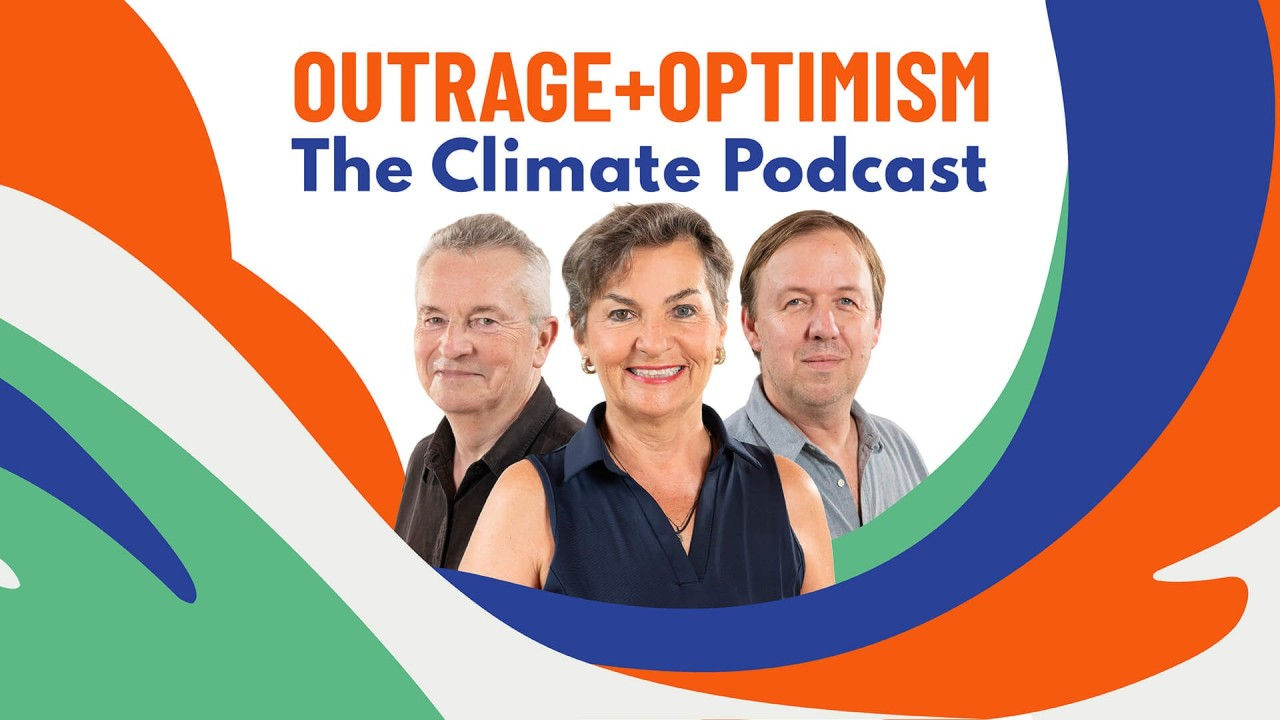
A thoughtful climate podcast that balances urgency with hope. Outrage + Optimism reminding listeners that meaningful climate action is already happening around the world.
This weekly climate podcast makes saving the planet feel a little less overwhelming. Through stories, humor, and curious conversations, How to Save a Planet explores real solutions already happening around us.

Ever wondered if thrifting, “eco” brands, and reusable everything actually help the planet? This is a go-to channel for sustainable lifestyle tips, where sustainable living gets unpacked with honesty, curiosity, and a little humor.

Climate change is a hot mess. Let's unpack this topic with Hot Mess channel.
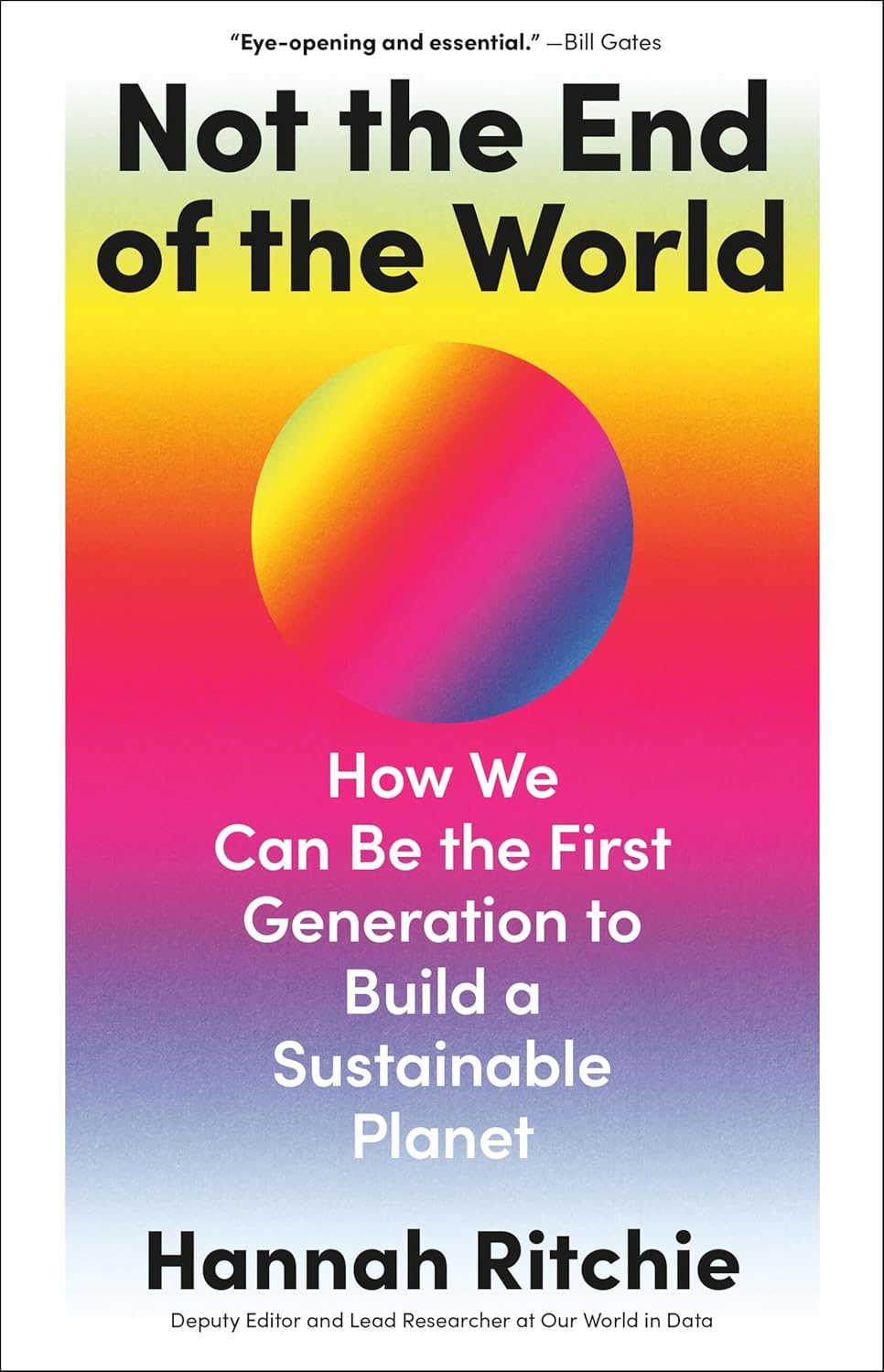
A book for anyone who finds it difficult to believe in a better future - THE TIMES. If you’ve already read Clearing the Air and enjoyed it, this book feels like the natural next step. While Clearing the Air focuses mainly on answering climate questions and cutting through common myths, Not the End of the World zooms out to the bigger picture. It’s less about a single issue and more about asking a broader question: how is the planet actually doing?
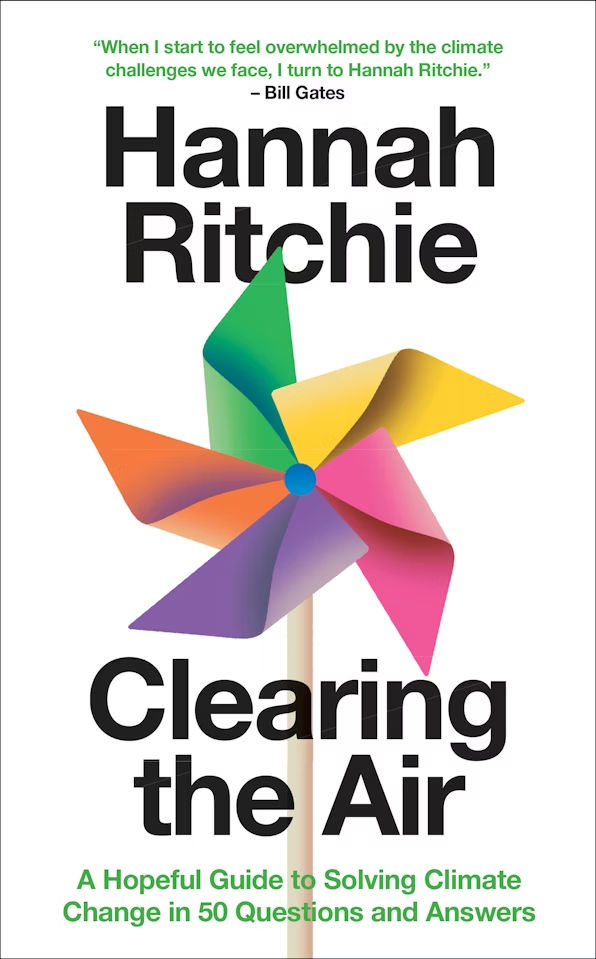
Is it really too late to save the planet? In Clearing the Air, Hannah Ritchie cuts through climate myths with data, showing why the future may be more hopeful and actionable than we think. Why not give it a try?
Actions by Helen
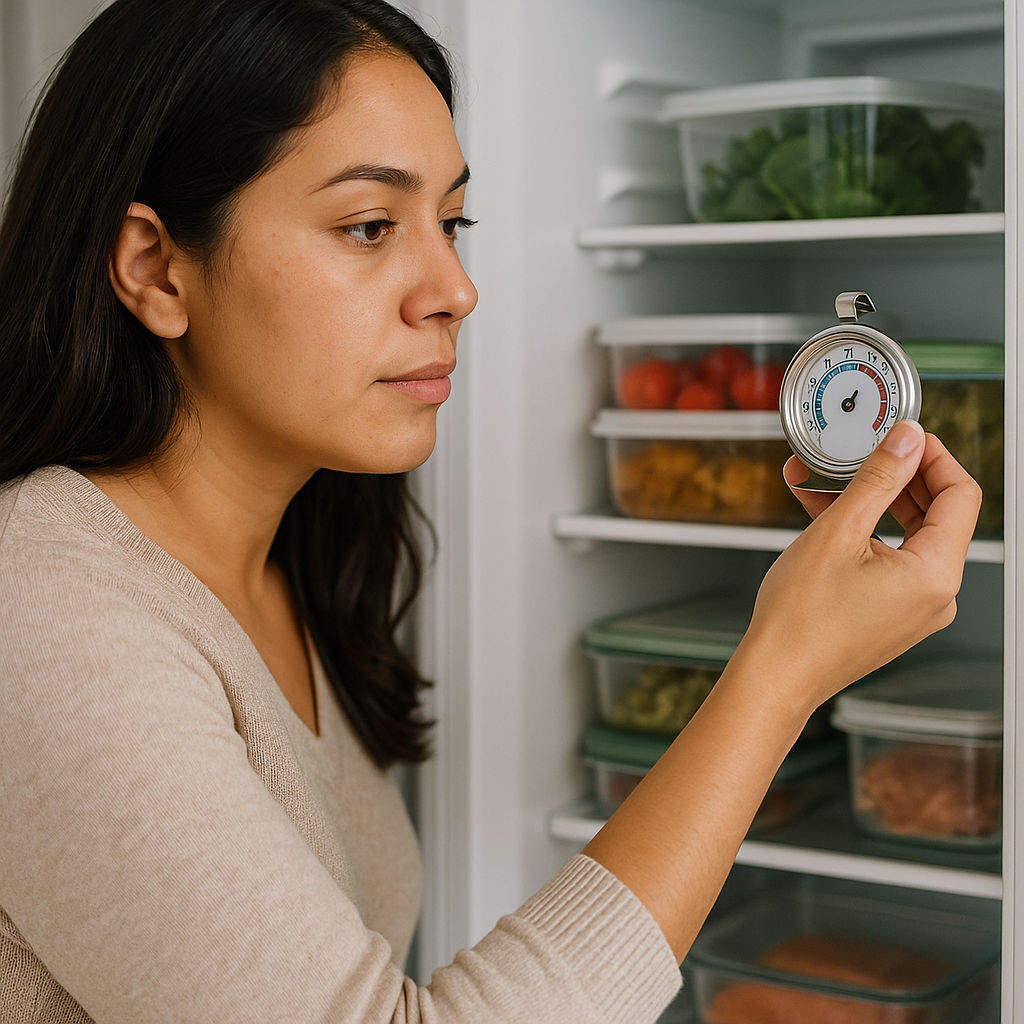
If your fridge and freezer aren't maintaining proper temperatures, it can lead to more food spoiling sooner, especially more expensive items like meat and poultry. On the other hand, if they are too cold, it can cause more power use and stress to the compressor. Its a good idea to check the temperature settings every one in a while to make sure its where it should be
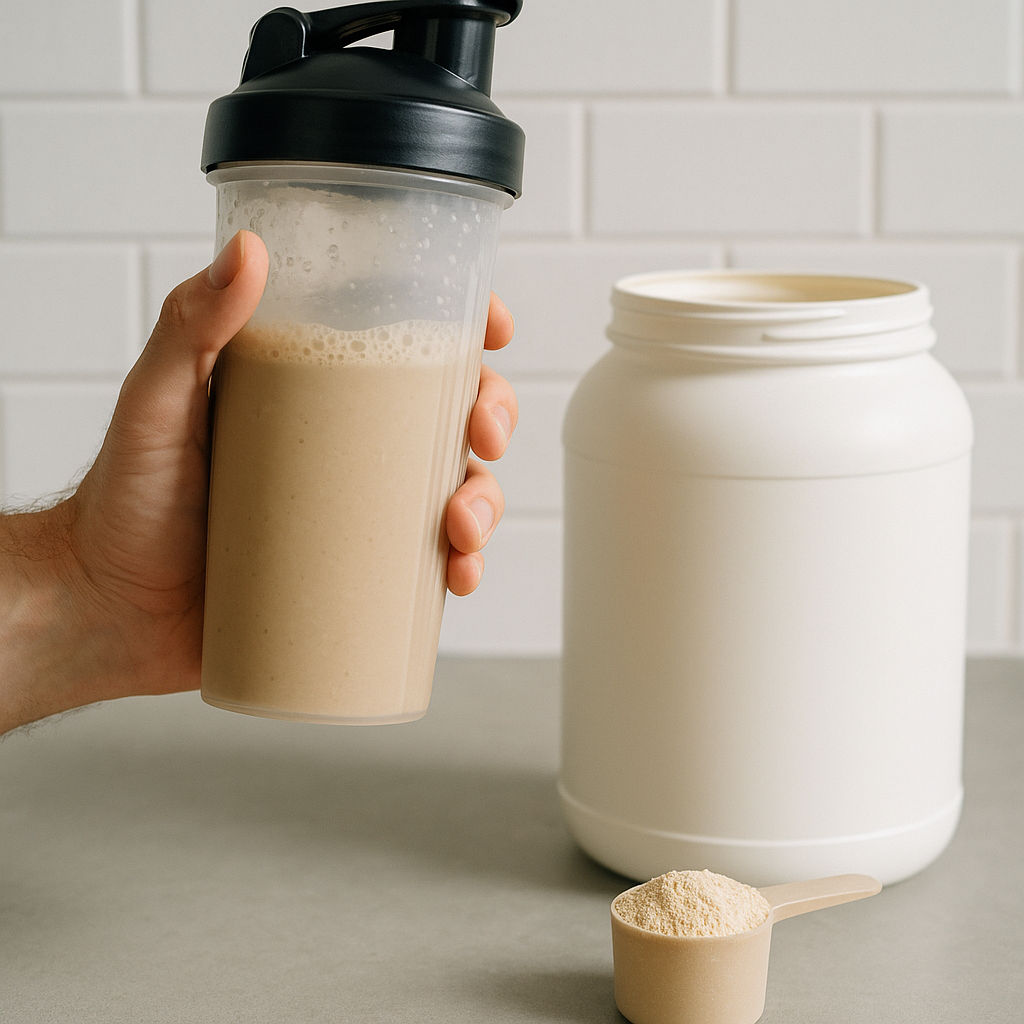
Soy protein powder has comparable macros to traditional whey, and is actually creamier too

In many cases, check engine lights indicate an issue with the emissions system or some other issue that's causing lower efficiency. Not only will getting it checked prevent bigger problems in the long run, but it'll improve your car's efficiency right away

There are a lot more milk alternatives out there than there used to be. Oat milk is a good one for coffee, and has a much longer shelf life
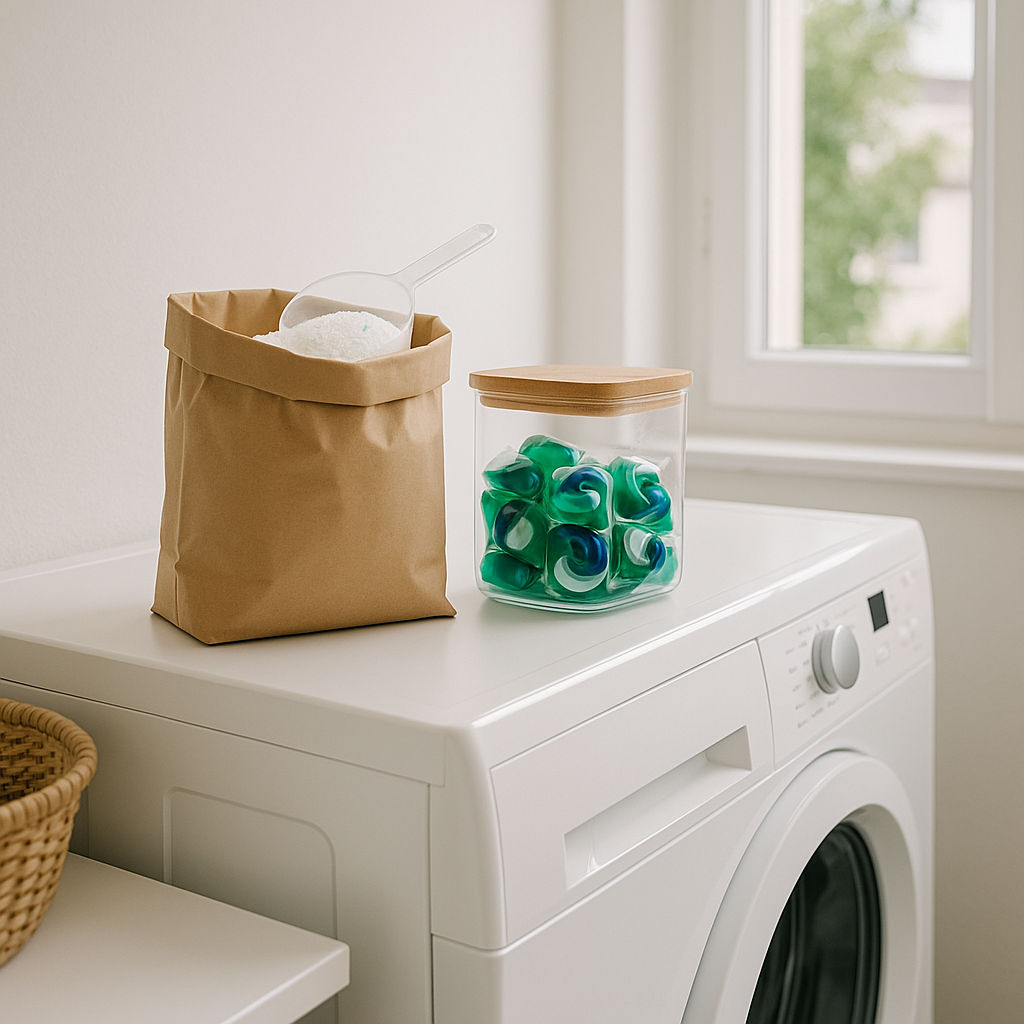
Many new laundry detergents are coming in powder or pod form instead of liquid. These detergents work just as well, they are just shipped without the water, making them much easier to transport and often less expensive than traditional liquid detergents
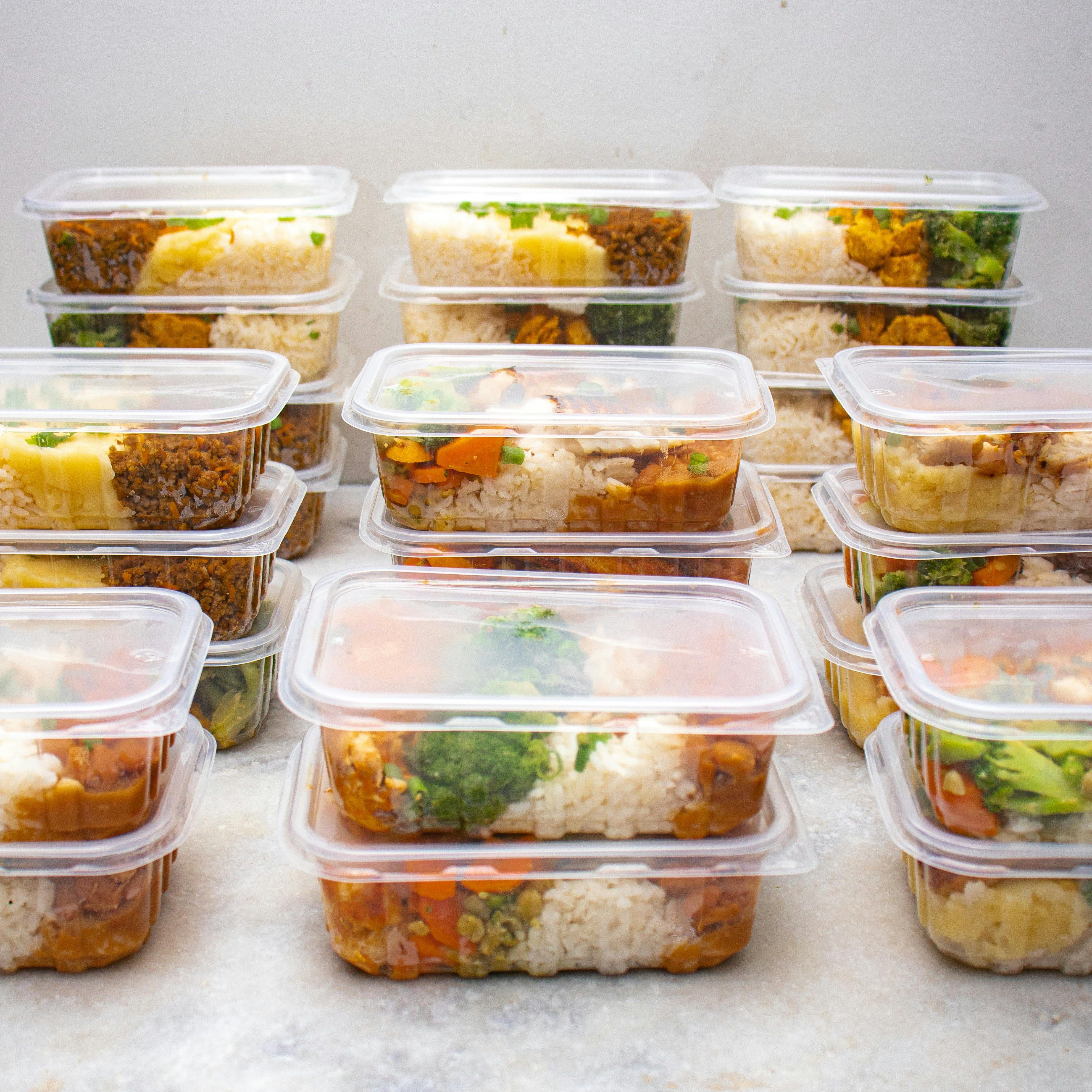
Leftovers can often go to waste since many people don't want to eat the same thing multiple days in a row. I recently started freezing leftovers and using them as a planned dinner the next week, which saves money and makes planning dinners a bit easier
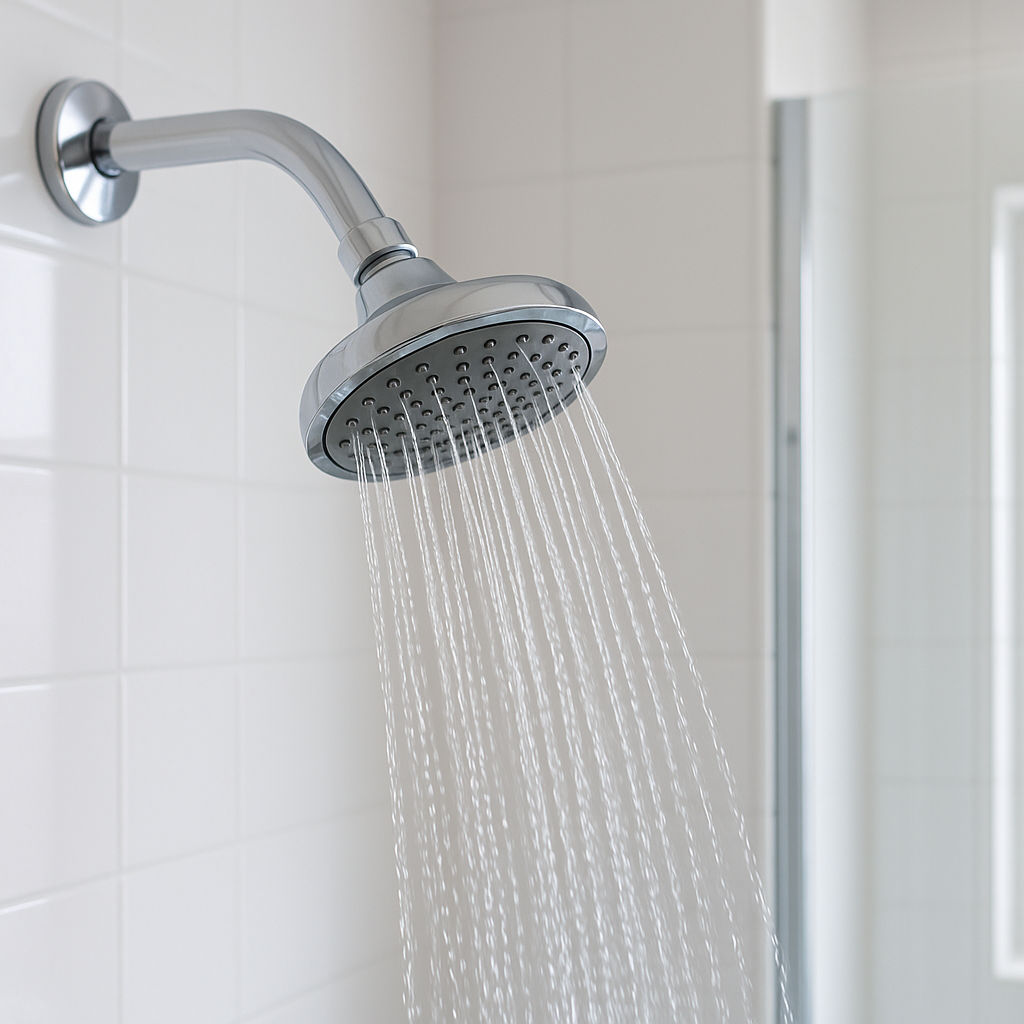
Low flow shower heads in the past did not feel as full, but modern versions have improved a lot of the problems, so they are worth another look!
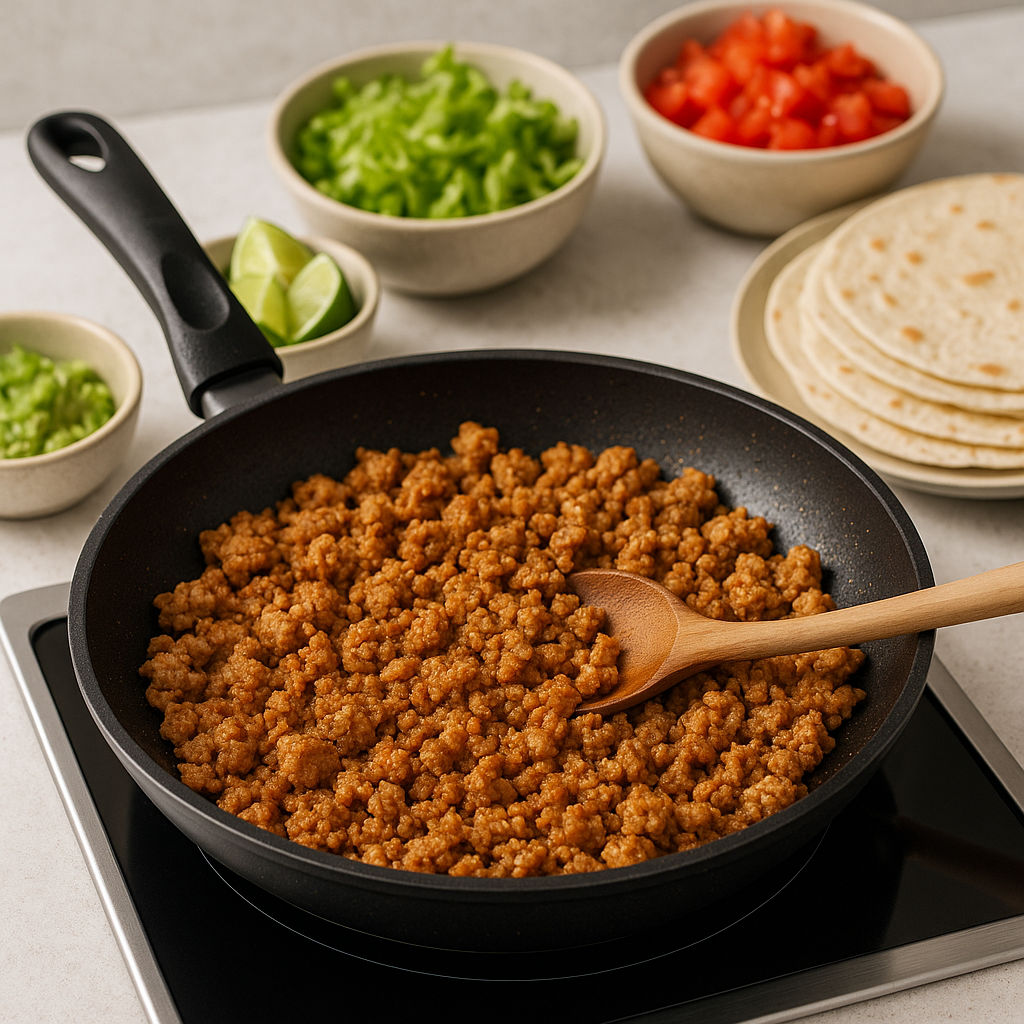
Next time you are buying ground beef, try using ground turkey instead. I won't tell you it tastes the same, but it is very good and is significantly cheaper too. And it makes a bigger climate impact than you might think - beef causes 10 times as much emissions as poultry or seafood pound for pound

If your job allows it, working remotely is a great way to get more done by skipping the daily commute. Remote work took off when COVID hit, and many companies realized that people are just as productive remotely as in the office.

Buying more used items not only saves money, but helps to reduce waste and extra manufacturing.
Ecosia is a free search engine and browser that uses its earnings to plant trees. I'll admit Its not quite as good as google, but its 100% free
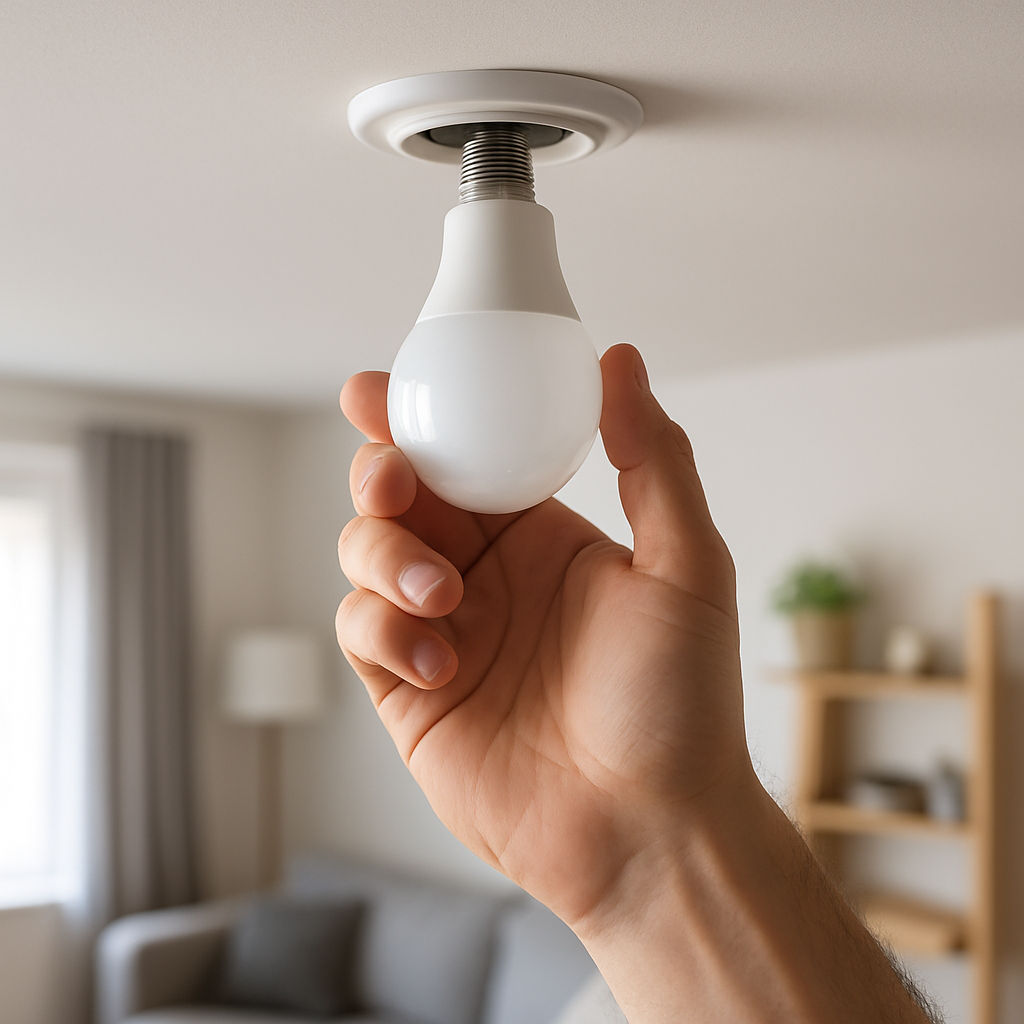
LED light bulbs aren't what they used to be: in the past they were very harsh, but that’s not true anymore. Now they come in warm tones, soft whites, and even dimmable options that look and feel just like the old ones, but with a much longer life.

A small corner left uncut becomes a living reminder that nature doesn’t need control, only space — where wildflowers bloom, pollinators return, and even neighbors start to notice.

Deep down (and according to research) most of us don’t really want to deal with the holiday gift rush. One alternative that is growing in popularity is gifting experiences instead of physical gifts