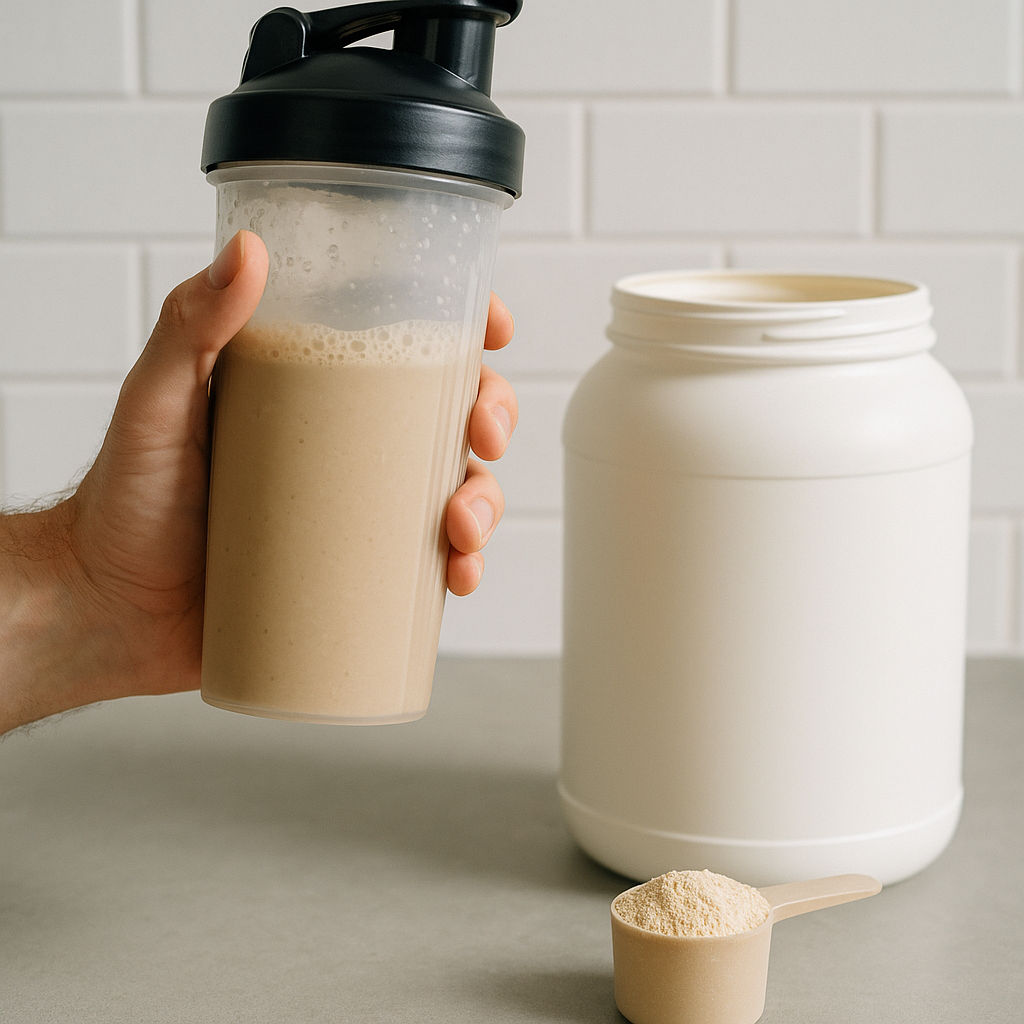
Try soy protein powder
Soy protein powder has comparable macros to traditional whey, and is actually creamier too
If you’ve been thinking about switching up your protein routine or just want a solid plant-based option, consider trying soy protein powder. A lot of people assume whey is the “gold standard,” but soy actually holds up incredibly well - nutritionally, taste-wise, and even environmentally.
Soy protein isolate contains all nine essential amino acids making it a complete protein just like whey - something many plant proteins struggle with. Soy isolates generally provide 20-25 grams of protein per serving, similar to whey, but with the added bonus of being naturally cholesterol-free and lower in saturated fat. It also contains minerals like iron, phosphorus, magnesium, and copper, which whey doesn’t offer in meaningful amounts.
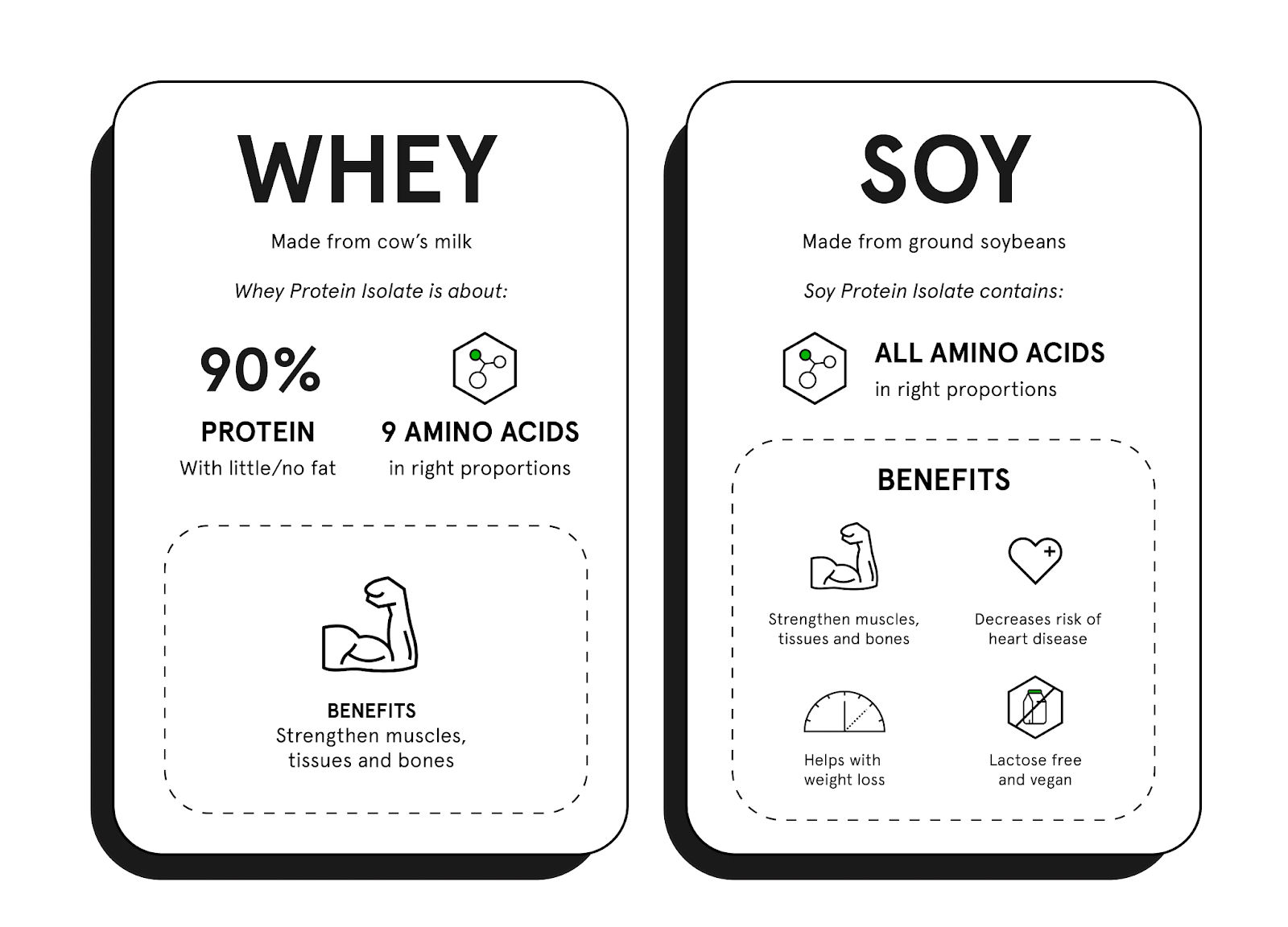
Image from Soylent
Since Whey protein powder is directly derived from cow's milk, some people might experience bloating, gas, or discomfort. Thus, if you're lactose intolerant, dairy-sensitive, or simply prefer plant-based products, soy protein is an easy choice.
One underrated benefit? The texture. Many people find soy protein to be creamier and smoother than whey, especially when mixed into smoothies, yogurt bowls, or oatmeal. It tends to dissolve well without leaving that chalky, gritty after-feel some protein powders do. If you enjoy experimenting in the kitchen, soy protein also works great for high-protein pancakes, baked goods, overnight oats, and even creamy coffee smoothies — and it doesn’t curdle in hot drinks the way some whey powders do.
Another plus: digestion. Whey gets absorbed fast - great right after a workout, but soy protein digests a little slower, which means it gives you a more steady release of amino acids. That steady supply can be really helpful if you’re using protein throughout the day, not just after exercise. Furthermore, Soy naturally contains isoflavones, which may support heart health, help reduce LDL cholesterol, and provide antioxidant benefits. You don’t get these compounds in whey. For someone aiming for long-term wellness, not just gym results, soy offers a broader health profile.
And here’s the environmental bonus: soy protein is more sustainable than whey. Producing plant-based protein generally uses less water, land, and energy than dairy-based protein. It also generates fewer greenhouse gas emissions. If you’re looking to reduce your carbon footprint while getting high-quality protein, soy is a simple swap that makes a difference.
That said, soy isn’t the perfect choice for absolutely everyone — it really comes down to personal needs and preference. Whey still has the advantage when it comes to faster absorption and a slightly higher biological value score, meaning your body may use it a bit more efficiently. But the difference is small, and in reality, both whey and soy are great, high-quality protein options.
Want to do more?
Get updates on climate progress and how you can help.