What you can do
This is a bit different than most climate action lists. They tend to focus on how you can be less, and reduce your personal emissions. We think it's more important to focus on what can best grow your positive impact and be more.
These ideas show how you can go beyond reducing your own footprint by increasing your handprint - the positive things you do that influence other people and systems to reduce emissions. You can only reduce your own impact by so much, but your positive impact has no limits.
Not sure where to start? Answer a few quick questions and we'll show you what fits your life.
Lifestyle

Junk mail is so pervasive, and it's something that no one wants. Did you know that you can sign up for a few lists to significantly reduce how much you get?

A growing community of producers, designers, and consumers is transforming the industry, proving that it's possible to dress stylishly in a more sustainable way.

sustainability certifications are a useful tool in making more informed, responsible purchasing decisions that contribute to climate action.
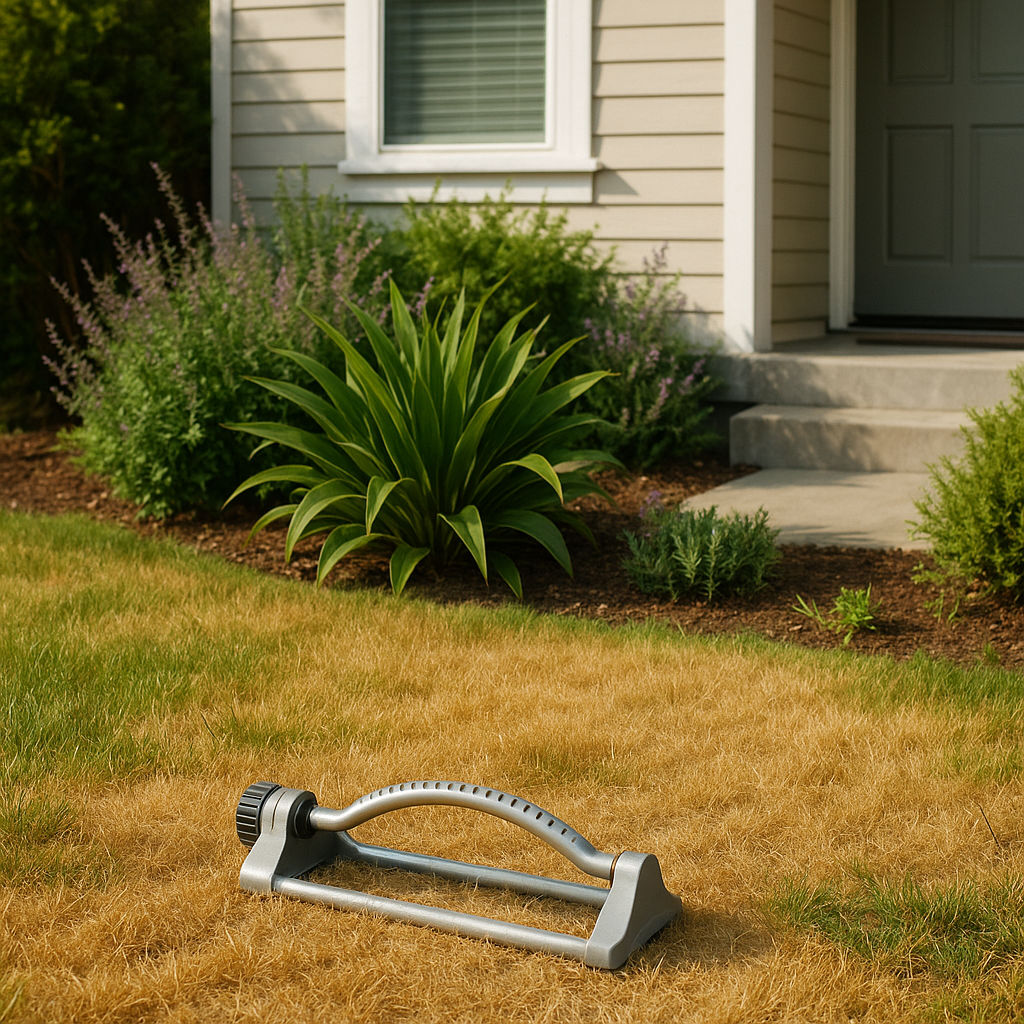
Watering grass is one of the biggest uses of water we don't think about, and its just creating more yard work for yourself and can actually be worse for the grass. Its ok for grass to get a little brown when its dry; it will grow back green once the weather is more amiable.

Thrifting is going mainstream - Buying secondhand clothes can save you money and time while slowing down the carbon-intensive ‘fast fashion’ market.

Deep down (and according to research) most of us don’t really want to deal with the holiday gift rush. One alternative that is growing in popularity is gifting experiences instead of physical gifts
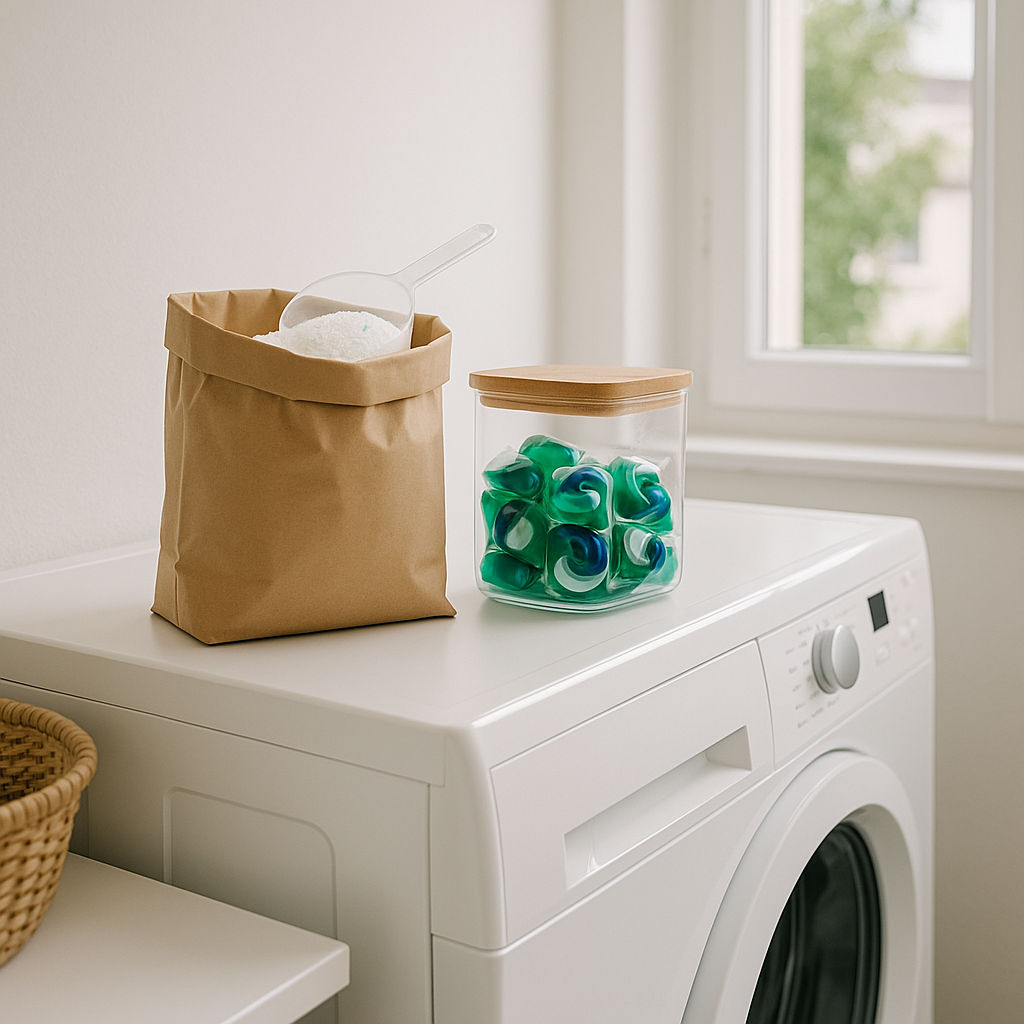
Many new laundry detergents are coming in powder or pod form instead of liquid. These detergents work just as well, they are just shipped without the water, making them much easier to transport and often less expensive than traditional liquid detergents
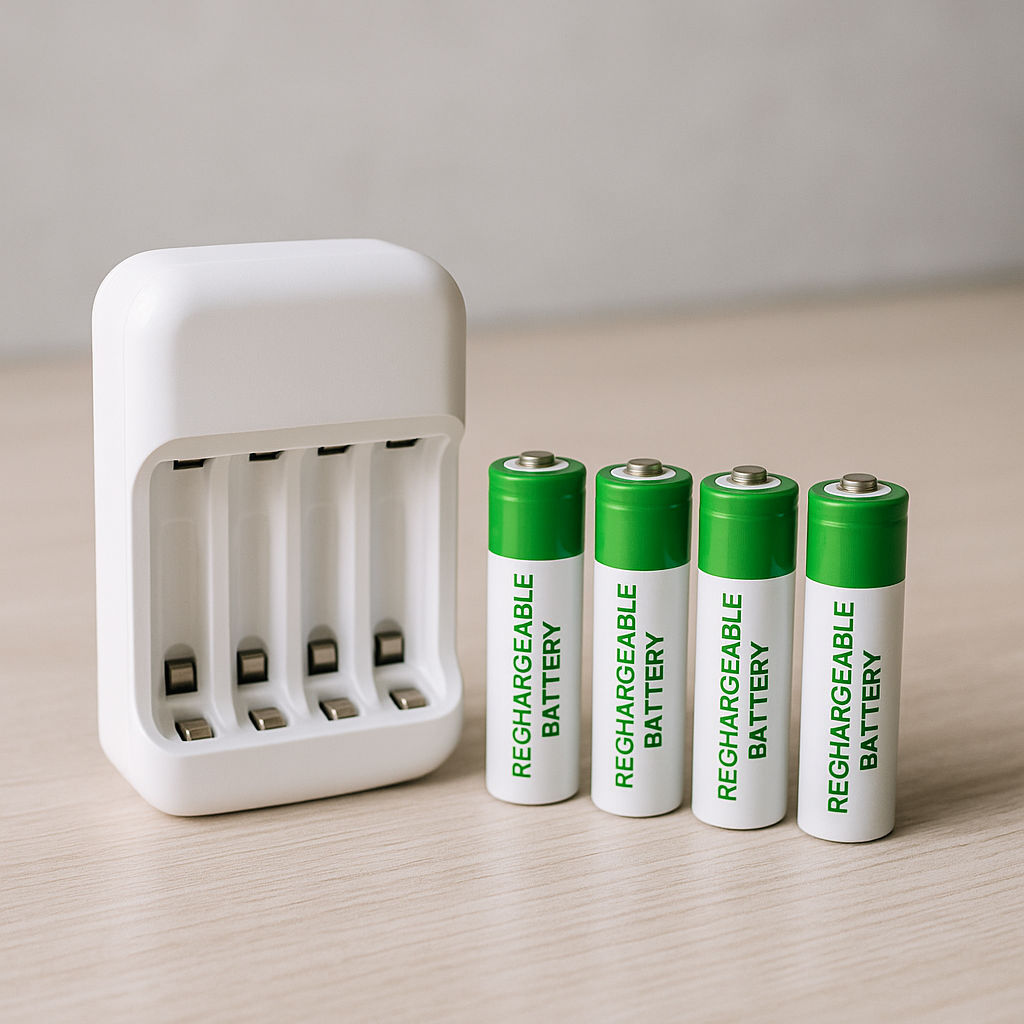
Rechargeable batteries save you money over time because they last for hundreds of cycles, reducing the number of replacements you need. Switching to them helps the climate by limiting the resource extraction, transportation emissions and toxic e-waste associated with disposable batteries.

Buying more used items not only saves money, but helps to reduce waste and extra manufacturing.
Ecosia is a free search engine and browser that uses its earnings to plant trees. I'll admit Its not quite as good as google, but its 100% free
Transportation
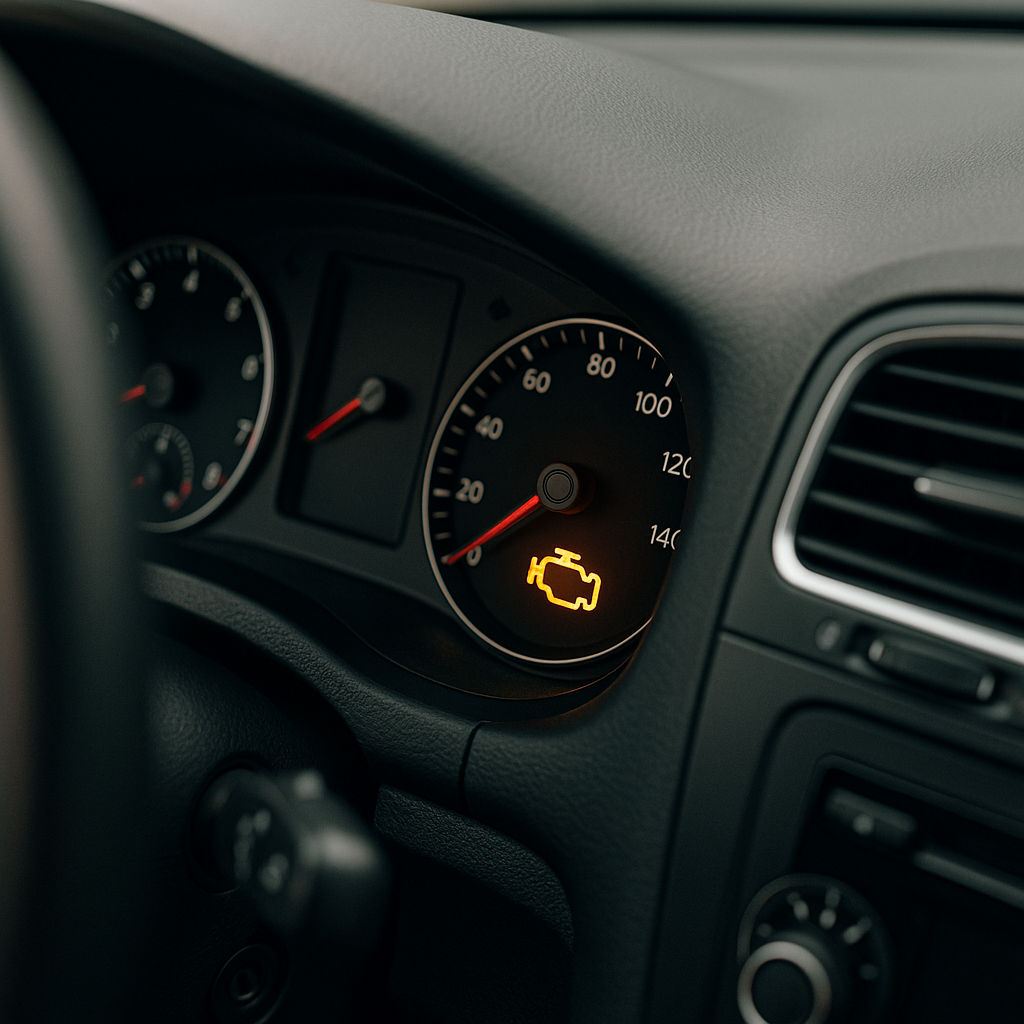
In many cases, check engine lights indicate an issue with the emissions system or some other issue that's causing lower efficiency. Not only will getting it checked prevent bigger problems in the long run, but it'll improve your car's efficiency right away
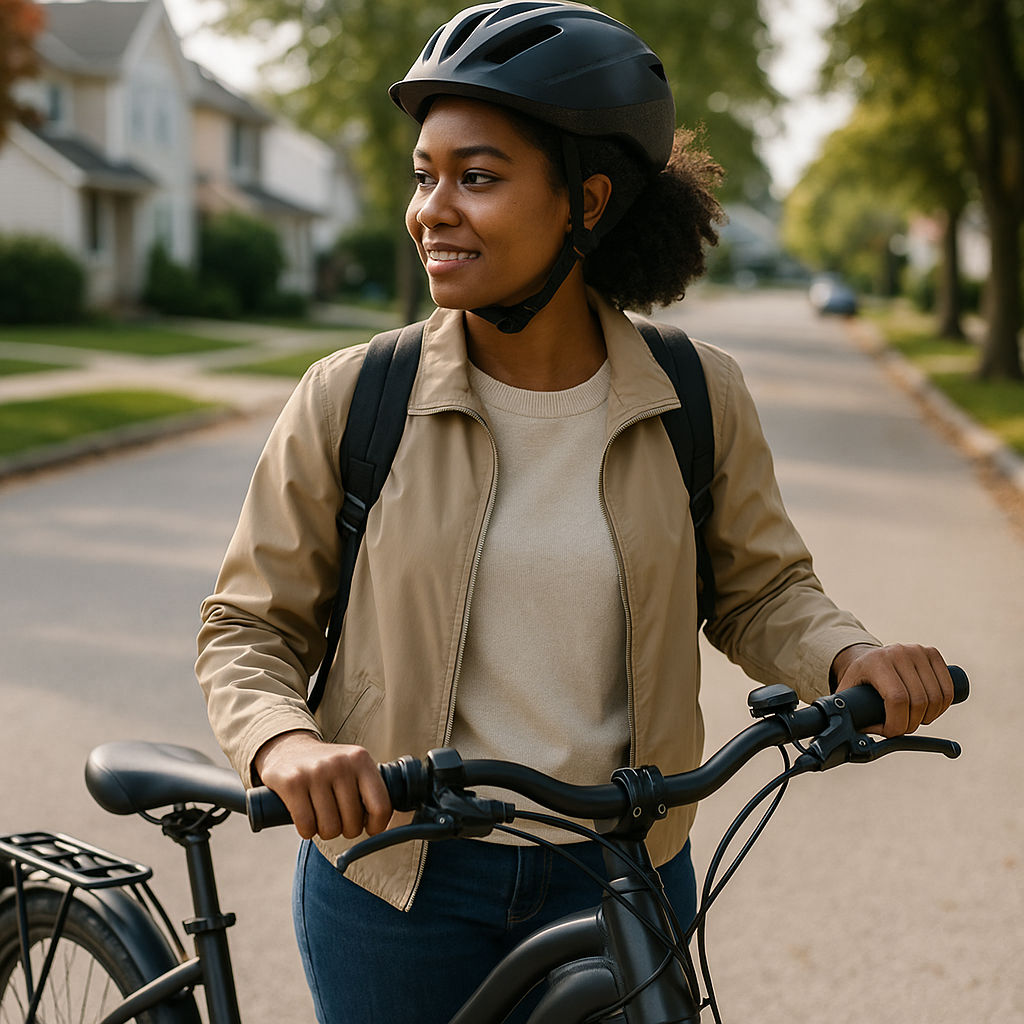
Cars are one of the biggest personal sources of emissions, but getting an EV is a huge investment. However, you can get smaller vehicles for much cheaper for getting around closeby. They are also great for kids if you are tired of driving them every.single.place.

If your job allows it, working remotely is a great way to get more done by skipping the daily commute. Remote work took off when COVID hit, and many companies realized that people are just as productive remotely as in the office.
Food

Food waste is a contributor to climate change due to the methane it releases as it breaks down in the landfill. One of the easiest ways to avoid food waste is to only throw away only food that is actually bad.

Soy protein powder has comparable macros to traditional whey, and is actually creamier too

Sustainable or responsibly sourced pet food supports your pet’s health with high-quality, nutrient-dense ingredients. It can also lower the environmental footprint of pet diets, which are a surprisingly large contributor to agricultural greenhouse gas emissions.

Beef is a big contributor to climate change, but its unfortunately also delicious. Fortunately, you don't have to be a vegetarian or give up beef to make an impact. Beef has 10x the footprint of poultry, so just sometimes having chicken instead is a meaningful change

There are a lot more milk alternatives out there than there used to be. Oat milk is a good one for coffee, and has a much longer shelf life

composting can help reduce food waste and provide nutrient rich soil for your plants or yard. It may sound like a lot of work, but it is not as hard as most people think

A lot of perfectly good fruits and vegetables don't make it to grocery stores due only to imperfections in their appearance. Fortunately, 'imperfect produce' subscription services are popping up, so you can help prevent fresh food from being wasted while saving some money.

Next time you are buying ground beef, try using ground turkey instead. I won't tell you it tastes the same, but it is very good and is significantly cheaper too. And it makes a bigger climate impact than you might think - beef causes 10 times as much emissions as poultry or seafood pound for pound
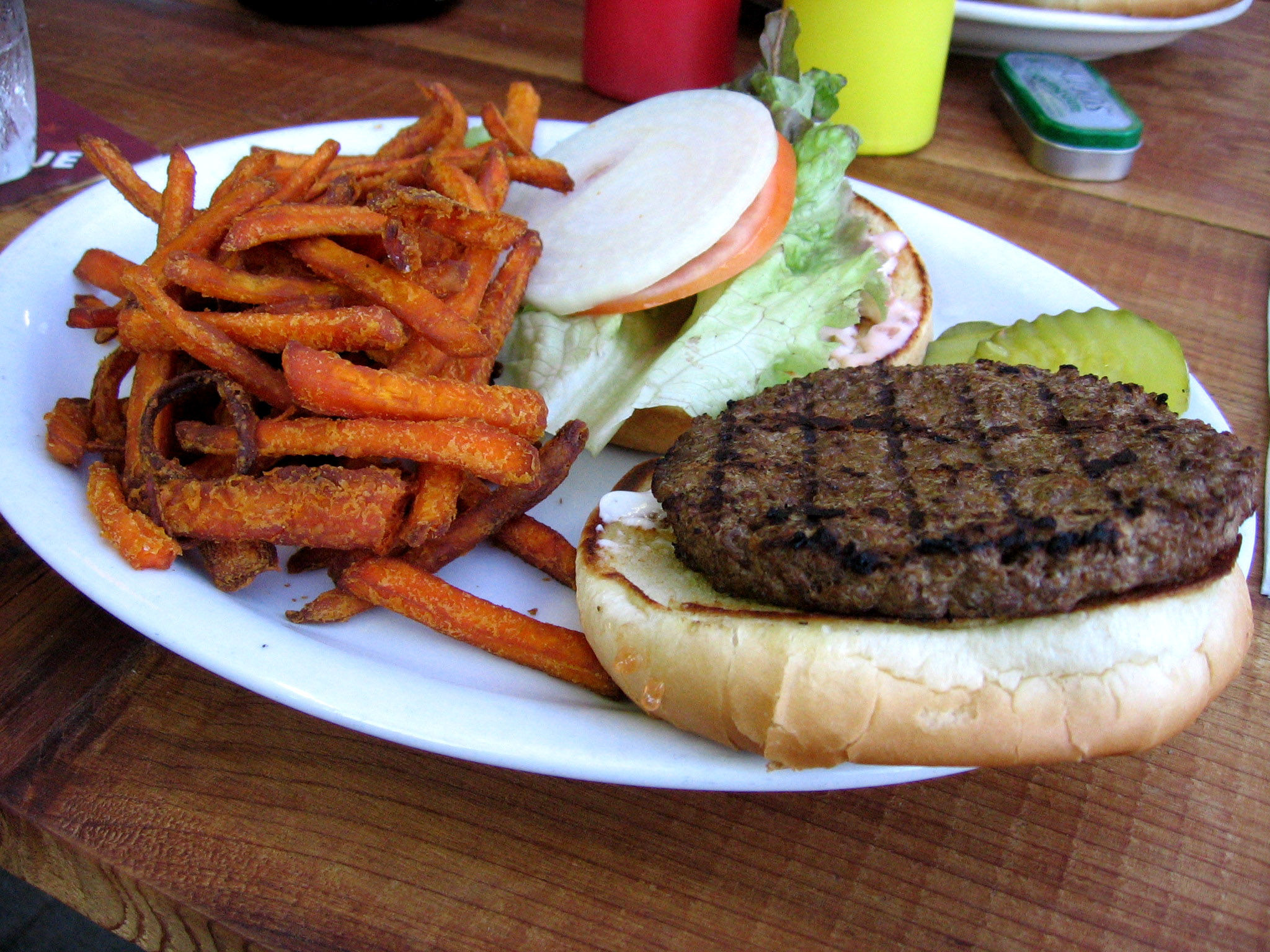
I'm not going to tell you that meat substitutes taste "just like beef™", but they are actually pretty good as their own food, and they have gotten a lot better recently. Give a bean burger or impossible burger a try sometime
Finance

Where you save money has a larger climate impact than you might think. Banks loan your money to fund many different projects, from clean energy and community projects to fossil fuels. By choosing a better bank, you can ensure your money is being used for good projects, and usually earn more interest in the process. And you don't have to fully switch, even just moving a part of your savings can make a meaningful difference

Many Company 401K providers have 'ESG' options, which invest specifically in companies with documented ethical standards. These typically have very similar risk profiles to index funds, and avoid industries like fossil fuels.
Advocacy

This doesn't sound like it would matter that much, but its actually one of the most important things for both our mental health and for addressing climate change itself

If you have never done any kind of civic action, climate changemakers has a great opportunity to give it a try. These hour events assume you have no experience, and are a low risk way to see if civic action resonates with you.
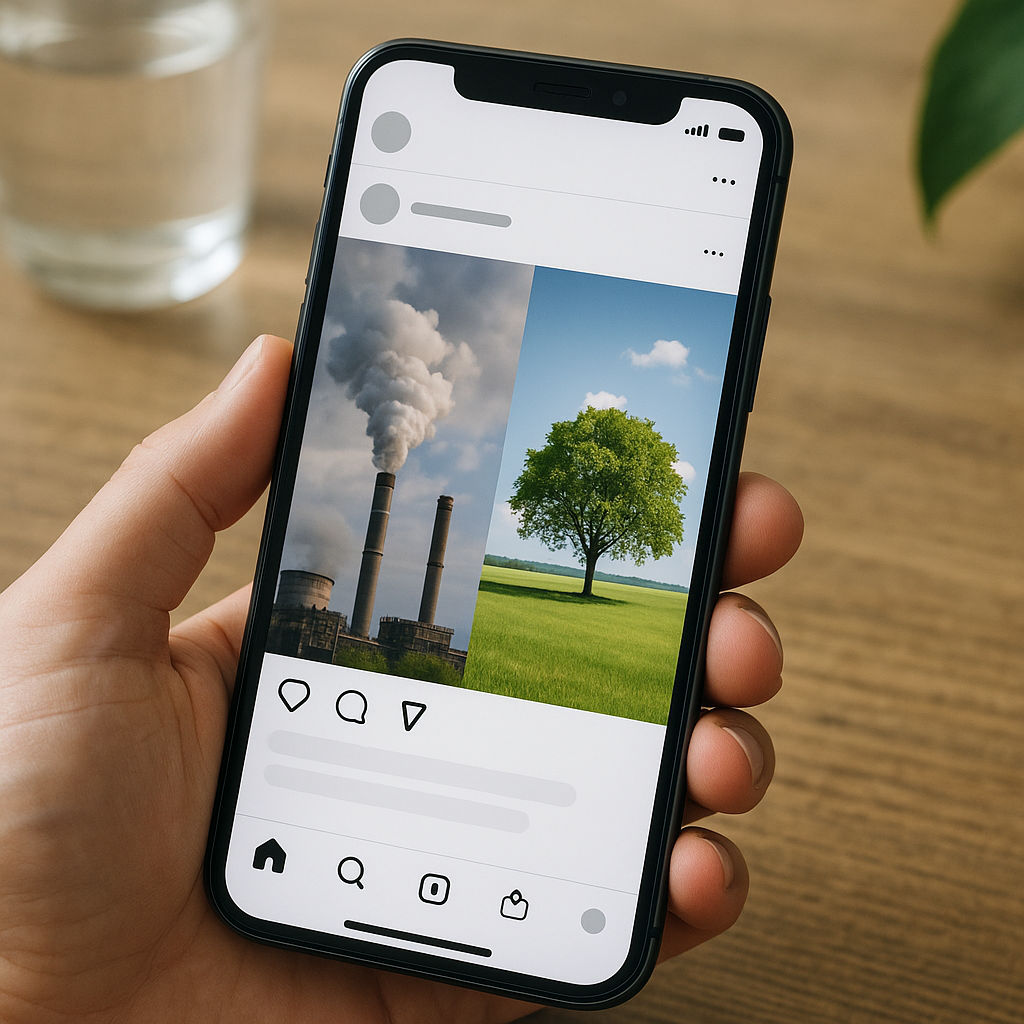
If you see an interesting social media post about climate change or sustainability, share it so folks in your network see it too.

Participating in smaller, local elections is a great way to have an outsized influence in your community. Local elections have notoriously small turnout, so each vote makes a big difference. Also, bond measures tend to be more tangible and short-term, so you can actually see the results of what you helped pass. Good examples are improved transit infrastructure, biking or walking trails, or utility improvements.

Most companies have some form of sustainability or energy policy. Asking about it as an employee signals that it matters to the people who work there, which influences how seriously leadership takes it.
Voting is the highest-leverage political action available to most people. Checking your registration takes two minutes and making sure it's current is the first step to using it.
Politics

Sending a short message to your elected representative about clean energy takes five minutes and costs nothing and constituent contact influences policy more than most people realize.
Local newspapers publish reader letters regularly and local officials read them. A short, personal perspective on a local energy or climate issue reaches further than most people realize.
City and county governments control building codes, zoning, transit, and energy procurement. Showing up to one meeting, even just to listen, puts you in the room where local climate decisions actually get made.
5Calls gives you a script, a phone number, and a specific issue to call about; making constituent calls take under three minutes with no preparation needed.
Home energy
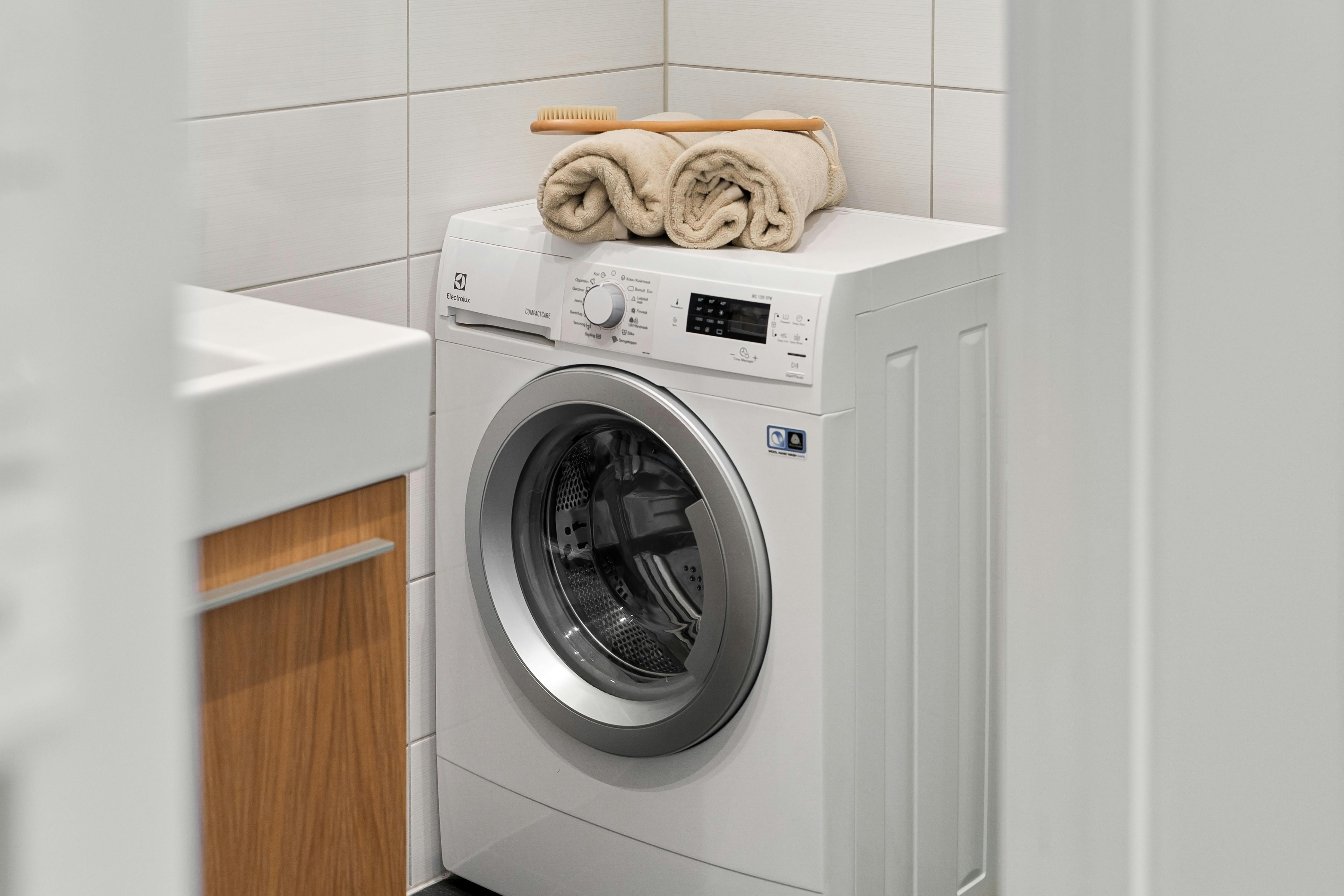
Thanks to advances in detergent technology, cold washing is just as effective as washing with hot water, while also helping your clothes last longer.
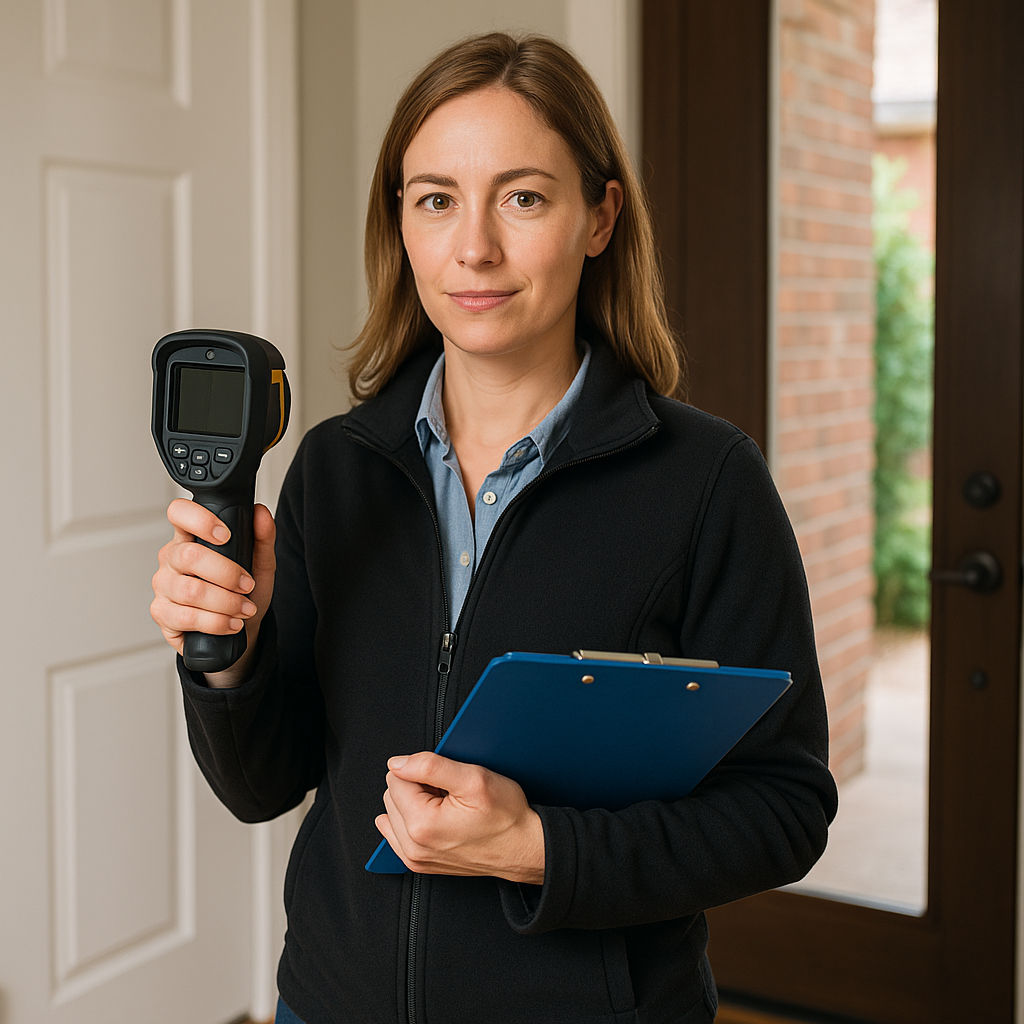
if you have an older house and aren't sure what you should upgrade, an energy audit is a good place to start, since you'll get a list of recommendations based on a close inspection of your house

Did you know that gas lawn tools are way less efficient than gas cars? Running a gas lawn mower for an hour has the same emissions as driving for 300 miles. Fortunately, upgrading your mower is a LOT cheaper than getting an EV, not to mention way quieter (and no pull starting)

Induction stoves are super efficient and fast, but full ranges are pretty expensive. Fortunately, you can get single burners for much less and still get most of the benefits
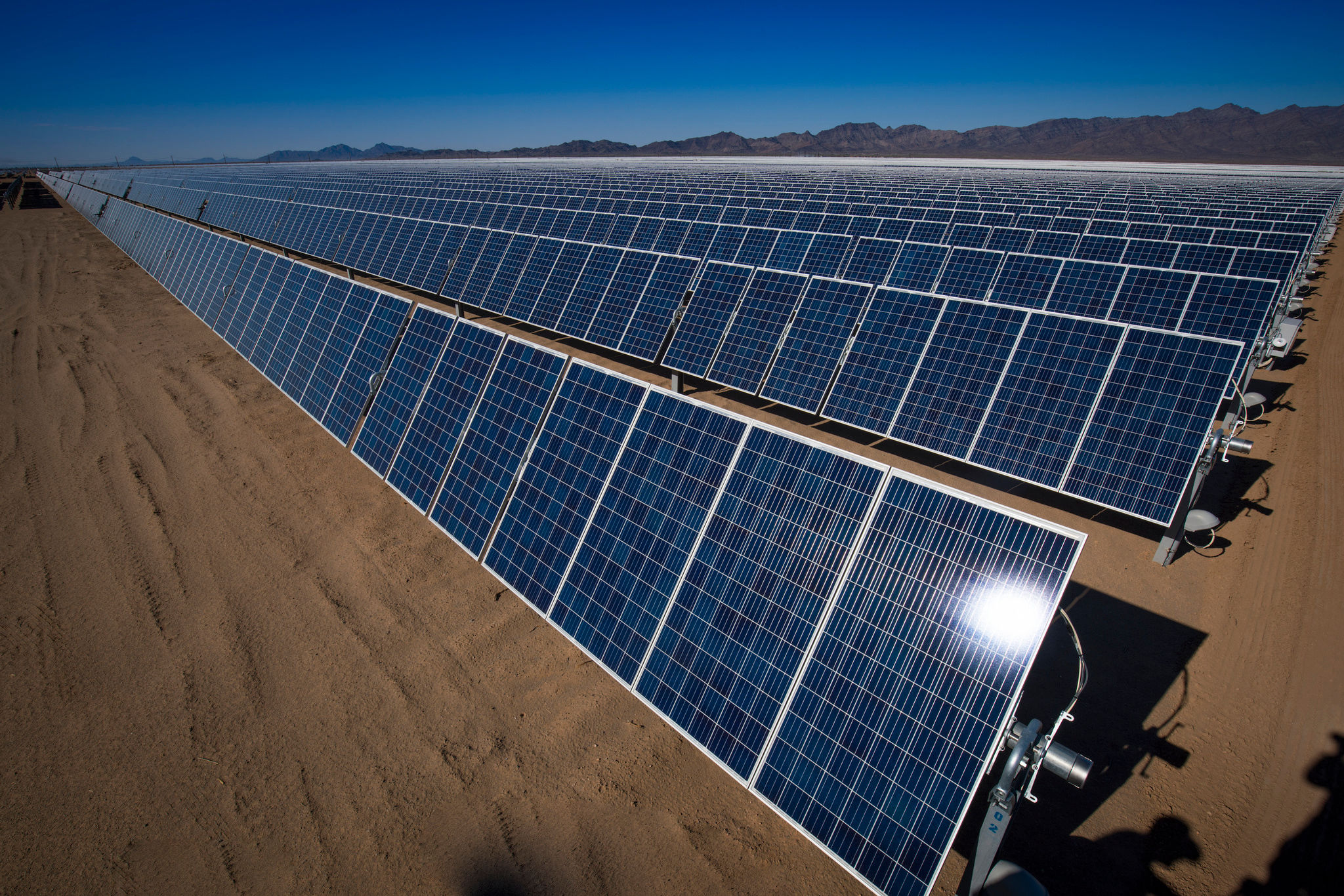
In some areas, utilities offer fully renewable energy plans. Switching to one can have a large impact on carbon emissions and sends a signal, and is one of the easiest changes you can make
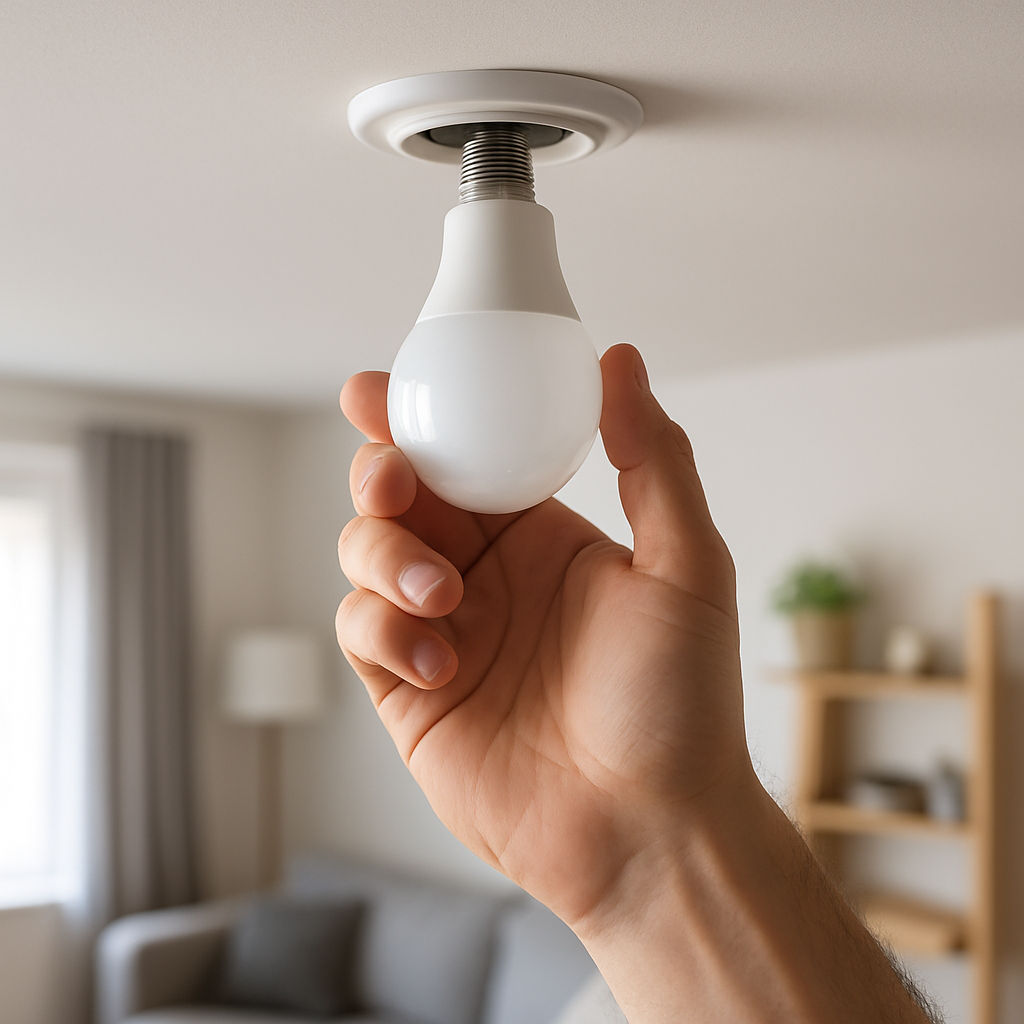
LED light bulbs aren't what they used to be: in the past they were very harsh, but that’s not true anymore. Now they come in warm tones, soft whites, and even dimmable options that look and feel just like the old ones, but with a much longer life.
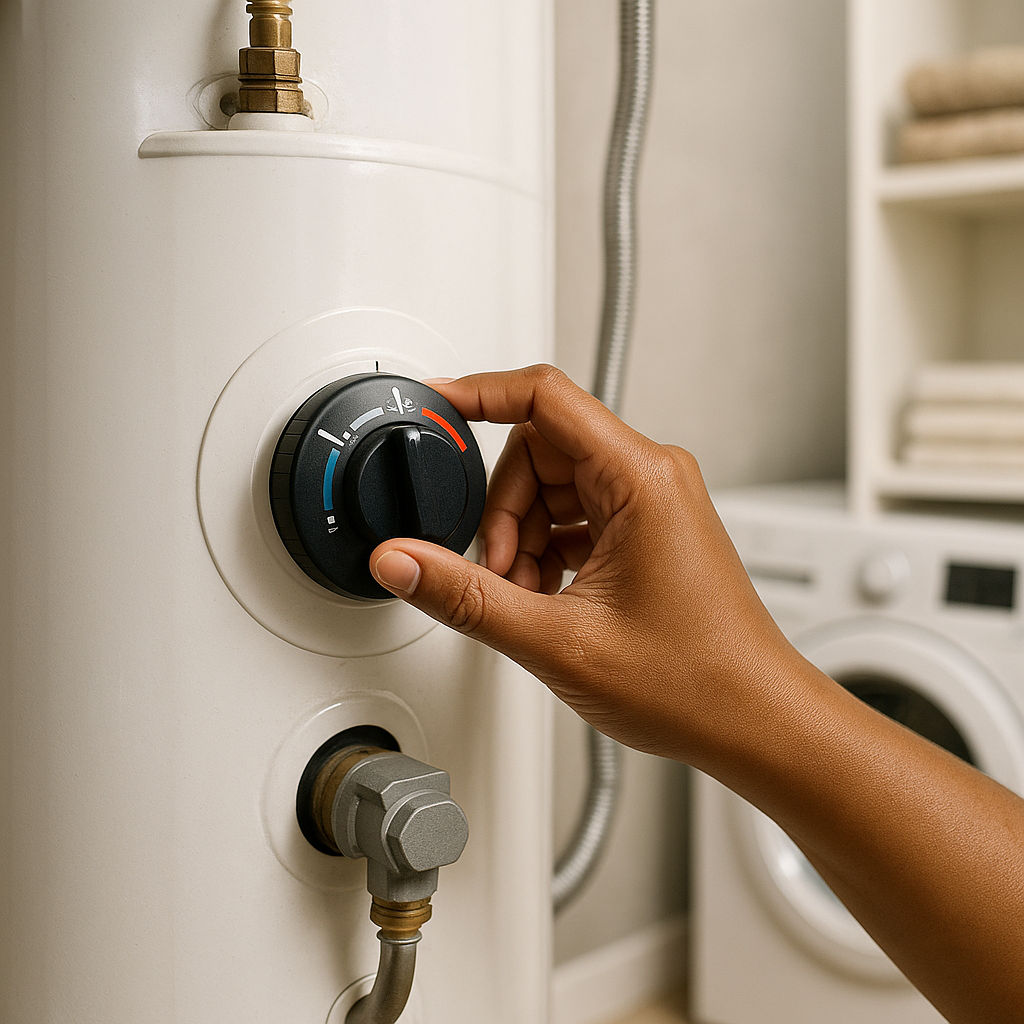
Your water heater is one of the biggest energy users in the house, and a lot of it is just keeping the water warm even if you aren't using it. Often, they are keeping the water too hot and just using extra power
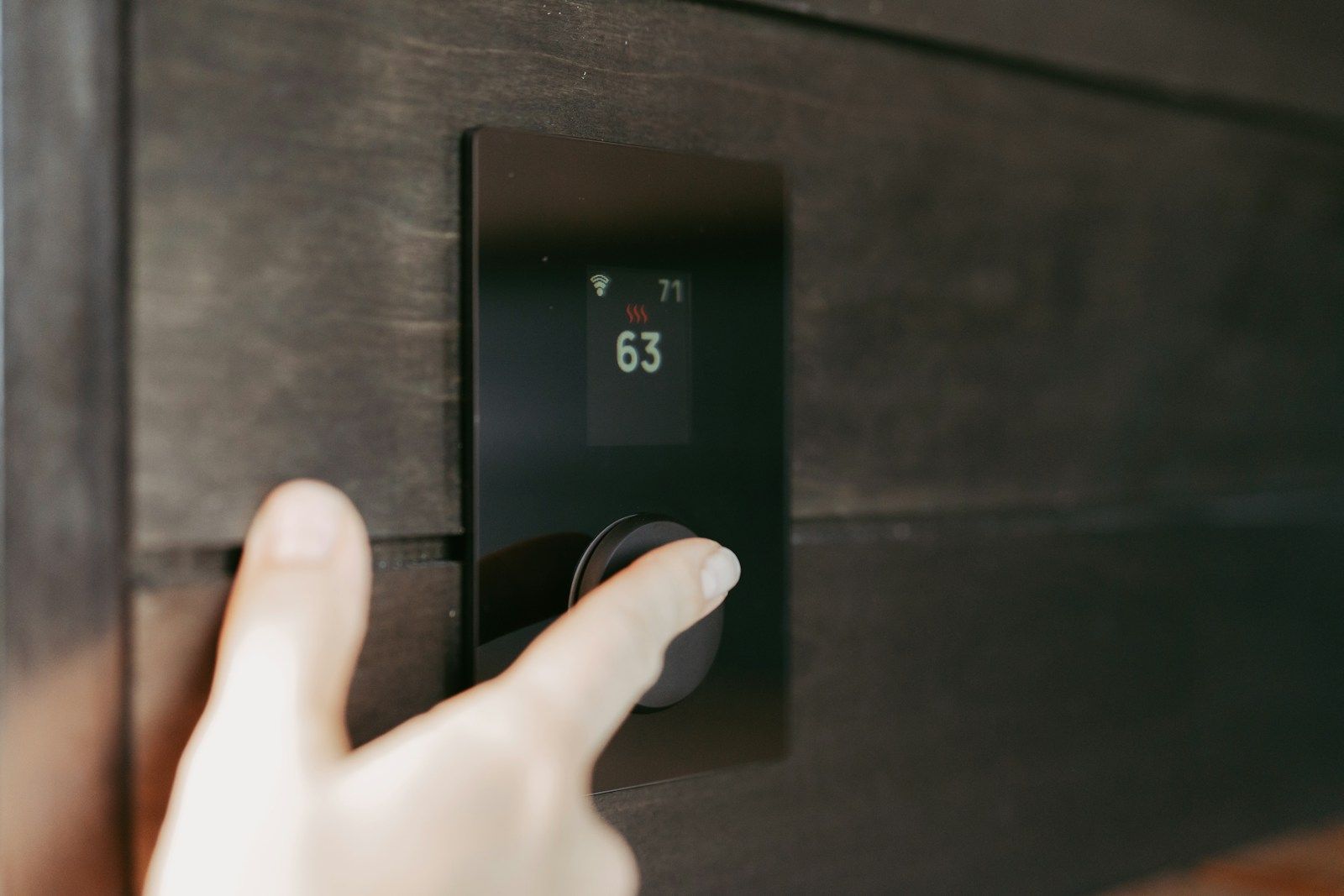
If you don't already have a smart thermostat, This is probably the biggest bang for your buck for A/C related updates. Many of them learn from you and will keep you from wasting money cooling or heating the house when no one's home
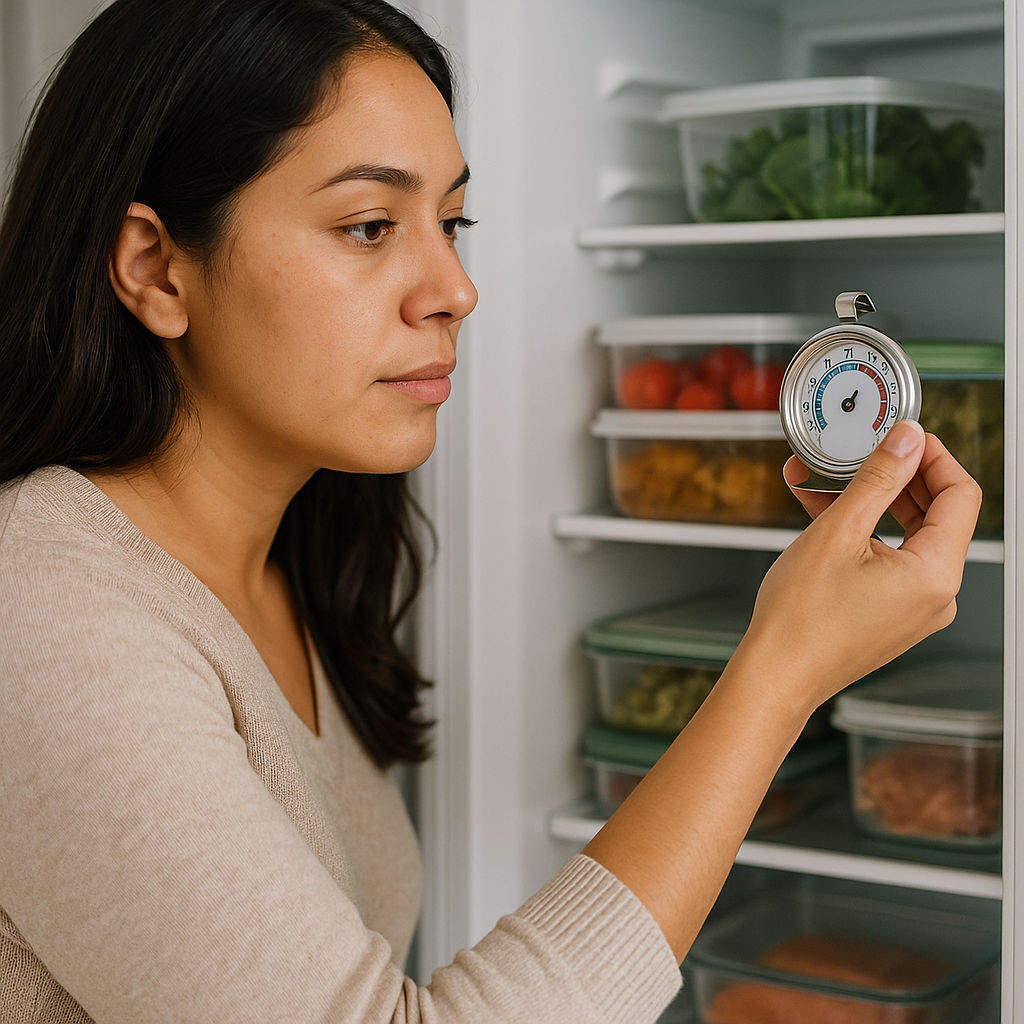
If your fridge and freezer aren't maintaining proper temperatures, it can lead to more food spoiling sooner, especially more expensive items like meat and poultry. On the other hand, if they are too cold, it can cause more power use and stress to the compressor. Its a good idea to check the temperature settings every one in a while to make sure its where it should be
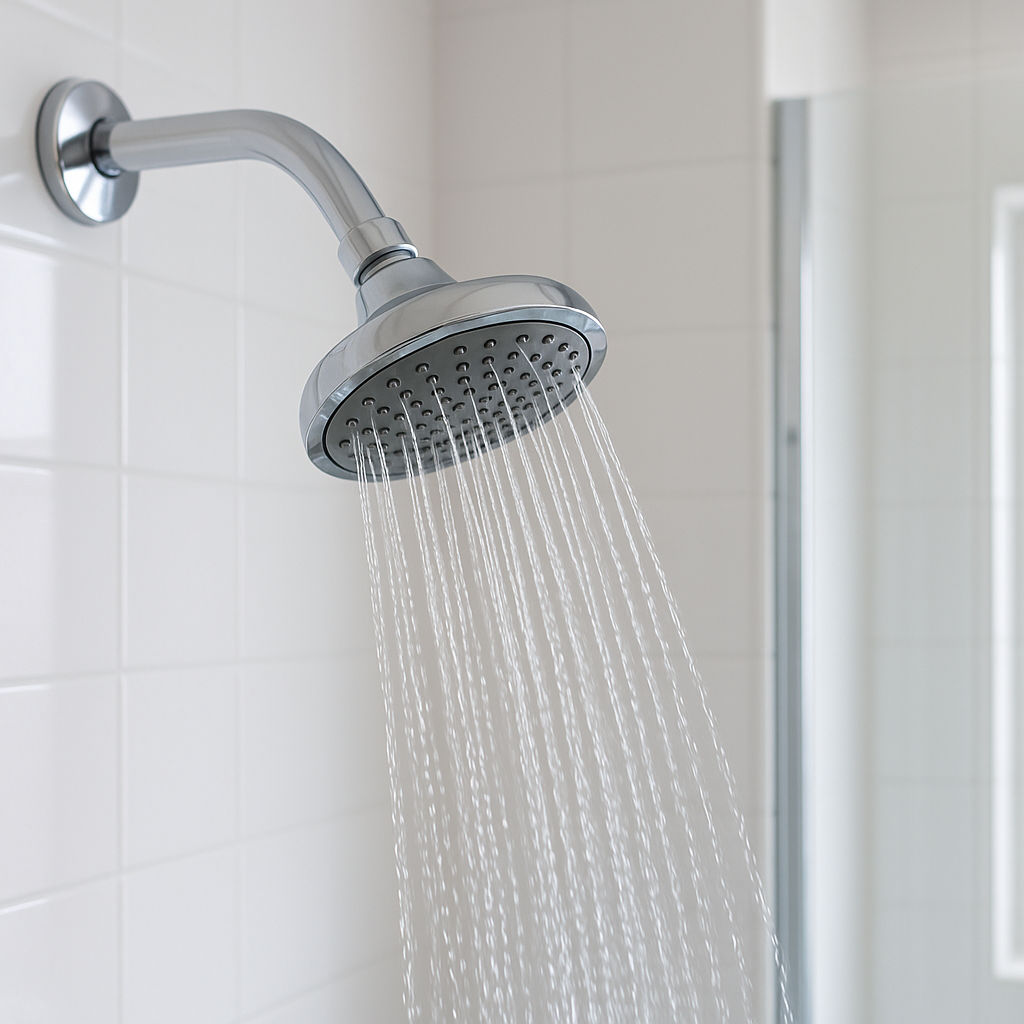
Low flow shower heads in the past did not feel as full, but modern versions have improved a lot of the problems, so they are worth another look!
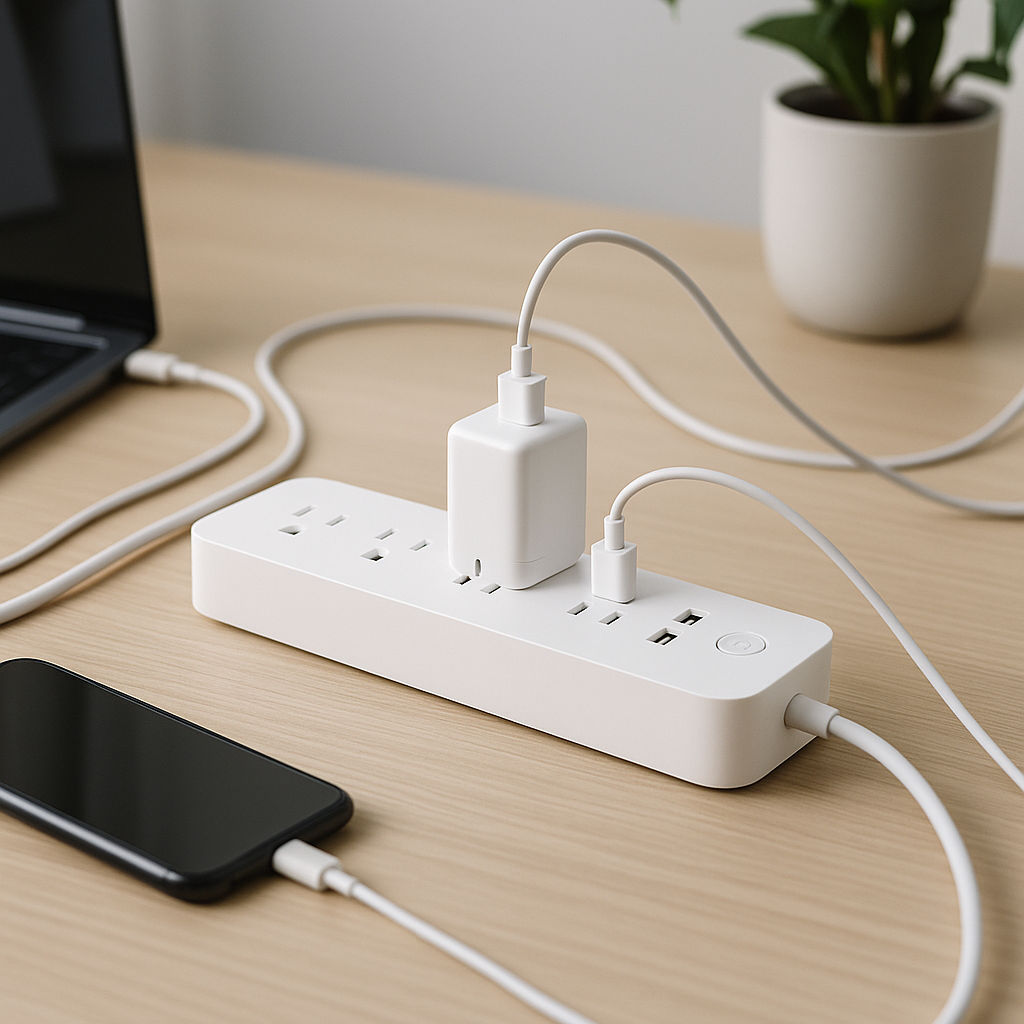
Keeping electronic devices on standby uses power, and over time (and many devices) this can really build up. Using a smart power strip or simply unplugging electronics when not in use reduces energy usage.
Not sure where to start?
Take our two-minute survey and we'll prioritise the highest-impact actions for your lifestyle, location, and situation.
Looking for more? Our guides look at what it takes to take on bigger actions.
Showing 45 actions across 7 categories