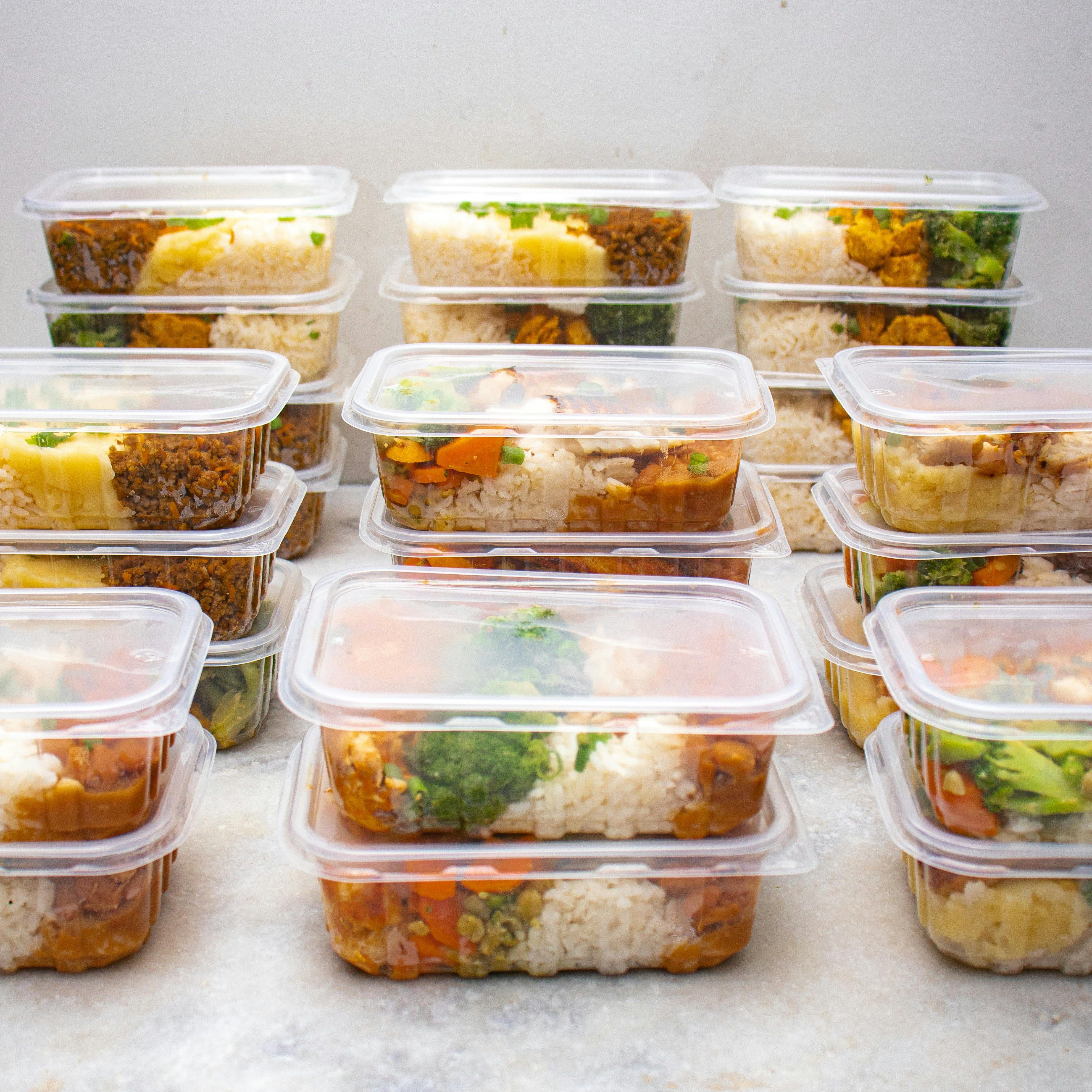
Freeze your leftovers
Leftovers can often go to waste since many people don't want to eat the same thing multiple days in a row. I recently started freezing leftovers and using them as a planned dinner the next week, which saves money and makes planning dinners a bit easier
Like many people, I used to throw away the leftovers or let it sit in the refrigerator with the intention of eating them tomorrow. But more often than not, tomorrow came and went, and the food ended up in the trash either way. Recently, I changed my approach: I started freezing my leftovers and using them as planned dinners for the following week, since frozen food lasts much longer. The difference has been immediate—less waste, easier meal planning, and noticeable savings on groceries.
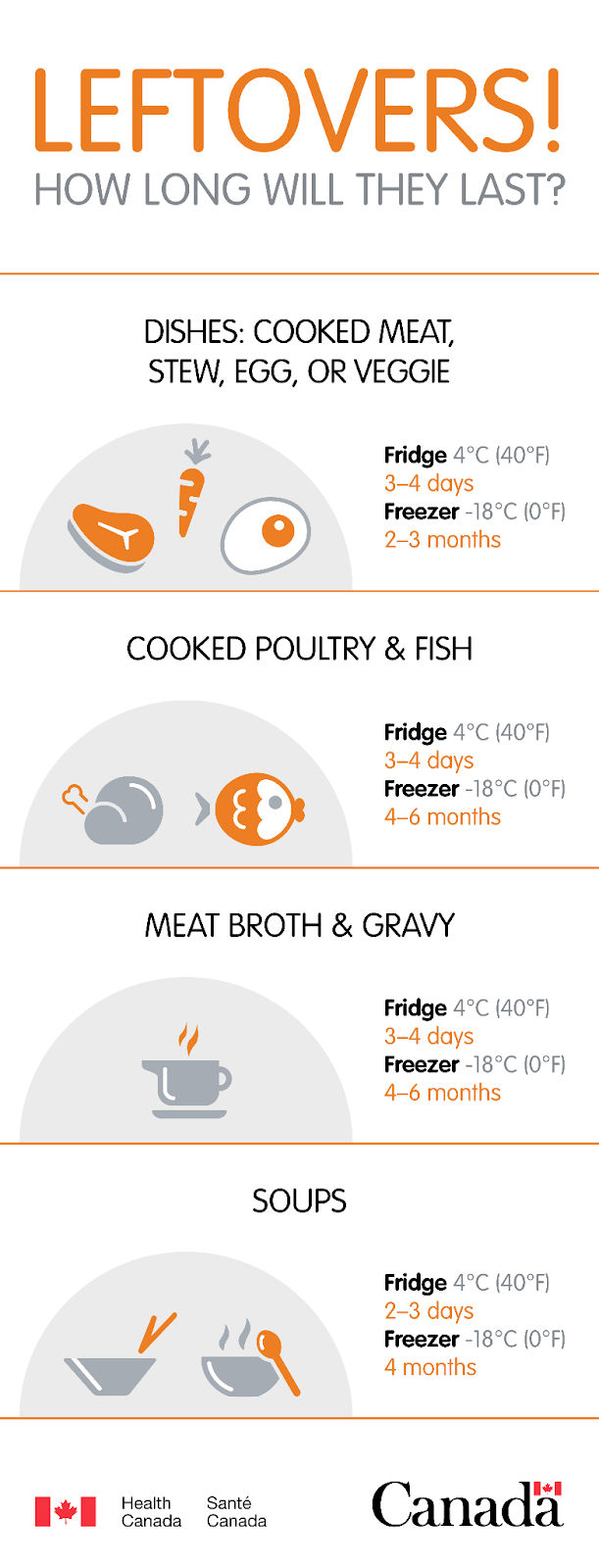
Image from: Food safety tips for leftovers
Food waste is a common issue, and it’s something many households experience simply because life gets busy. Globally, about one-third of all food produced ends up not being eaten, contributing to around 8–10% of greenhouse gas emissions due to the methane this produces when food goes to the landfill. The good news is that small habits, like freezing leftovers, can make a meaningful difference. Freezing leftovers is an easy way to save meals we’ve already put time and money into, while also helping reduce the amount of food that goes uneaten overall.
The truth (I only found out recently) is freezing meals doesn’t make my dinners repetitive; since I can eat them a week or two later, it actually expands my options. By freezing leftovers, I create a rotation of ready-made meals that I can select from later. The only thing to remember is to move it to the fridge the night before so it has time to thaw—and then the next day’s meal is already halfway done.
The wonderful news is most cooked dishes freeze well when stored properly—soups, stews, cooked vegetables, casseroles, rice dishes, pasta sauces, and proteins all retain their flavor and texture after freezing. The key is good storage: airtight containers prevent freezer burn and help keep the food tasting fresh. Labeling can help you keep track of what you freeze, so nothing gets lost in the freezer.
Since I began freezing meals intentionally, I’ve found myself throwing away much less food. I also spend less time thinking about what to make for dinner when I plan my groceries, because one or two meals each week are already decided for me. It’s a small habit that creates real convenience.
How to Get Started:
- Use freezer-safe containers, silicone bags, or Ziplock bags. They prevent freezer burn and stack easily.
- Portion before freezing. If you have a lof of leftover food, you can divide the meal into individual or family sized portions so you only defrost what you need.
- Label with name and date. Most frozen meals stay fresh for 2–3 months (refer to the image for specifics).
- To help remember to eat the leftovers, plan a “freezer night” weekly. Build it into your meal routine so using leftovers becomes intentional.
- A night or two before, move the food over to the fridge to thaw, so you can microwave it when it’s time to eat
Want to do more?
Get updates on climate progress and how you can help.