
Write a Letter to Your Local Newspaper About Climate
Local newspapers publish reader letters regularly and local officials read them. A short, personal perspective on a local energy or climate issue reaches further than most people realize.
Writing to your local paper sounds old-fashioned until you realize that local elected officials, city council members, mayors, school board representatives, are far more likely to read the local paper than a national publication. A letter to the editor that mentions a specific local issue, a new building going up without energy efficiency standards, a city budget that doesn't include clean transit options, a local utility still running on coal, lands in front of exactly the people who can do something about it.
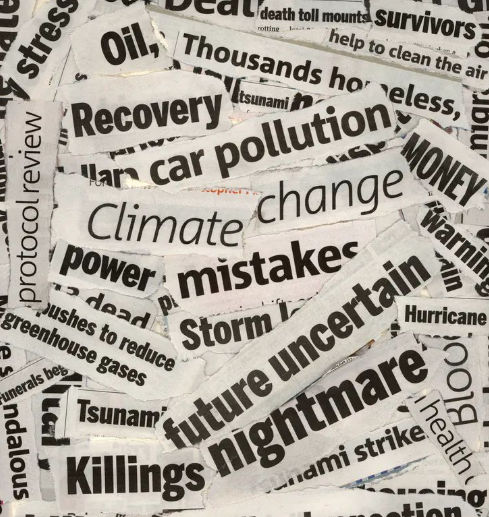
Most local and regional newspapers actively want reader letters. They typically run between 150 and 250 words, which is about the length of a long text message. You don't need to be a writer. You don't need to cite studies or know policy details. A personal, specific, genuine perspective from a local resident is exactly what editors are looking for.
A good letter has three parts: a specific local hook, your personal connection to the issue, and one clear ask. Something like noting that your city is planning a new transit route and asking that electric buses be considered rather than diesel. Or responding to a recent local story about energy costs and connecting it to the clean energy options now available.
How to do it:
Search "[your city name] newspaper letters to the editor" to find your local paper's submission guidelines. Most accept emails directly to an editorial address. Keep it under 250 words, include your name and city, and reference something local and specific to increase the chance of publication.
If you're not sure what local climate issue to write about, check your city council's recent meeting agendas, which are almost always publicly available online, for any energy, zoning, or transit items coming up for a vote.
Want to do more?
Get updates on climate progress and how you can help.