Usama Zulfiqar
Writer
With a degree in Environmental Sciences and skills in technical writing, I make climate action and sustainability solutions approachable. Through reports, articles, and ESG insights, I focus on carbon markets, emissions reduction, wastewater and solid waste management, energy efficiency, and practical strategies for a resilient future. At Climate Invested, I aim to help people stay informed and hopeful, showing that meaningful steps, whether big or small, can contribute to positive change.
Articles by Usama
Explain the Six Americas segmentation and how readers can choose message framing strategies that match different audience mindsets.
Traditionally, geothermal energy was only viable in specific areas where conditions are perfect, like in Iceland where there are natural hot reservoirs. However, a new approach is emerging that unlocks this power source almost anywhere. The catch is that it requires deep drilling, nearly 5-7 km, to access heat pockets deeper in the ground. While this technology is still new and still developing, it is very promising since it not only provides continuous baseload power, but is an opportunity to bring jobs to people in the oil industry.
You don't need to be an activist to influence climate policy. This guide covers the easiest, lowest-commitment ways to take political climate action, from contacting your representative to joining a one-hour online session, with links to specific actions to help you go deeper at your own pace.
With so many global issues, this explains why climate deserves attention and where your effort can matter most.
Learn how to talk to your parents about climate change with simple, practical tips that build understanding, reduce conflict, and turn conversations into meaningful action.
You can't always trace the ripple of your individual climate action but believing it matters makes you more likely to act, inspire others, and create the very change you hoped for. Here's the case for believing anyway and why it's not naive.
The "80/20 rule" is the concept that you can often achieve 80% of the benefits from 20% of the work. This is not an exact science, but the truth to it is that there is almost always particularly impactful or easy things you can do to get most of the way to a desired outcome. This concept fits well with personal climate action; for any action, you can often get almost all of the emissions reduction with a few slammer changes. For example, to reduce your food impact, eating less beef will get more than half of the benefits as being a vegetarian, since other meats have far lower emissions than beef. When you look at the data, many other actions work this way too.
Discover why the false choice between individual and systemic climate action undermines progress. Learn how both approaches work together.
Research shows people dramatically misunderstand which personal actions have the biggest climate impact — overestimating recycling while underestimating the power of diet, driving, and flying choices. Here's what the data actually says.
What if the biggest economic shift of your lifetime is happening right now, and most people aren't noticing? Climate adaptation and solutions are already a trillion-dollar industry—here's who's benefiting and why timing matters.
Carbon capture technology promises to remove CO₂ from the air, but is it viable? Learn about direct air capture costs, current capacity, innovations, and whether carbon capture can actually help solve climate change in 2025.
Its easy to feel guilty about climate change. We know its happening and why, so its easy to internalize a feeling that you are responsible, and need to make sure you aren't part of the problem through your personal carbon footprint. The issue is, its impossible to not have any carbon impact in the modern world, so it can feel like an impossible burden. Fortunately, there are things to can do to help frame these feelings in a positive way, and see that there is a way to have more positive impact than negative.
Most people don't know how much climate progress is happening, and talking about just the bad parts makes most people disengage. Here's how to share good news, validate concerns, and inspire action without being a downer.
While large, sweeping changes feel like they are the most important things to do, they can often lead to analysis paralysis and inaction. Taking small, imperfect steps builds the confidence for bigger changes.
Some think fewer people or shrinking economies would solve climate change. The data shows otherwise and we're already proving there's a better way that doesn't require sacrifice.
While everyone's arguing about climate doom, something remarkable is happening behind the scenes. The products on your shelf hold secrets about progress no one's talking about.
Kids hear everything, and they overwhelmingly feel like the planet is doomed. Parents often avoid the topic since they understandably don't want to worry their kids, but the fact is that reality is not as bad as they think it is or what they hear on the news and social media. There's a way to talk to them honestly while also instilling a sense of hope and empowerment.
There are plenty of individual actions people can take to reduce emissions, from changing how they eat to home improvement, but this feels insignificant in terms of global emissions. While it's true that installing solar panels is not going to change the world on its own, It's important to consider that these changes do more than just direct emissions reduction, and that you are not alone.
Reviews by Usama
Spiritual successor to Drawdown; broader and bolder

Practical, consumer-focused reviews of clean technology and sustainable living for anyone making real decisions about EVs, solar, and home energy systems.
A venture capitalist's measurable action plan for reaching net zero by 2050, organized around six key objectives with clear timelines and accountability.

A near-future novel that takes climate economics seriously; one of the most discussed climate fiction books of the decade.
Podcast focused on business sustainability; good for conscious consumers
A physicist who applies rigorous skepticism to energy and climate technology claims; excellent for readers who want their optimism stress-tested.

Gen Z's first "existential toolkit" for combating eco-guilt and burnout while advocating for climate justice.
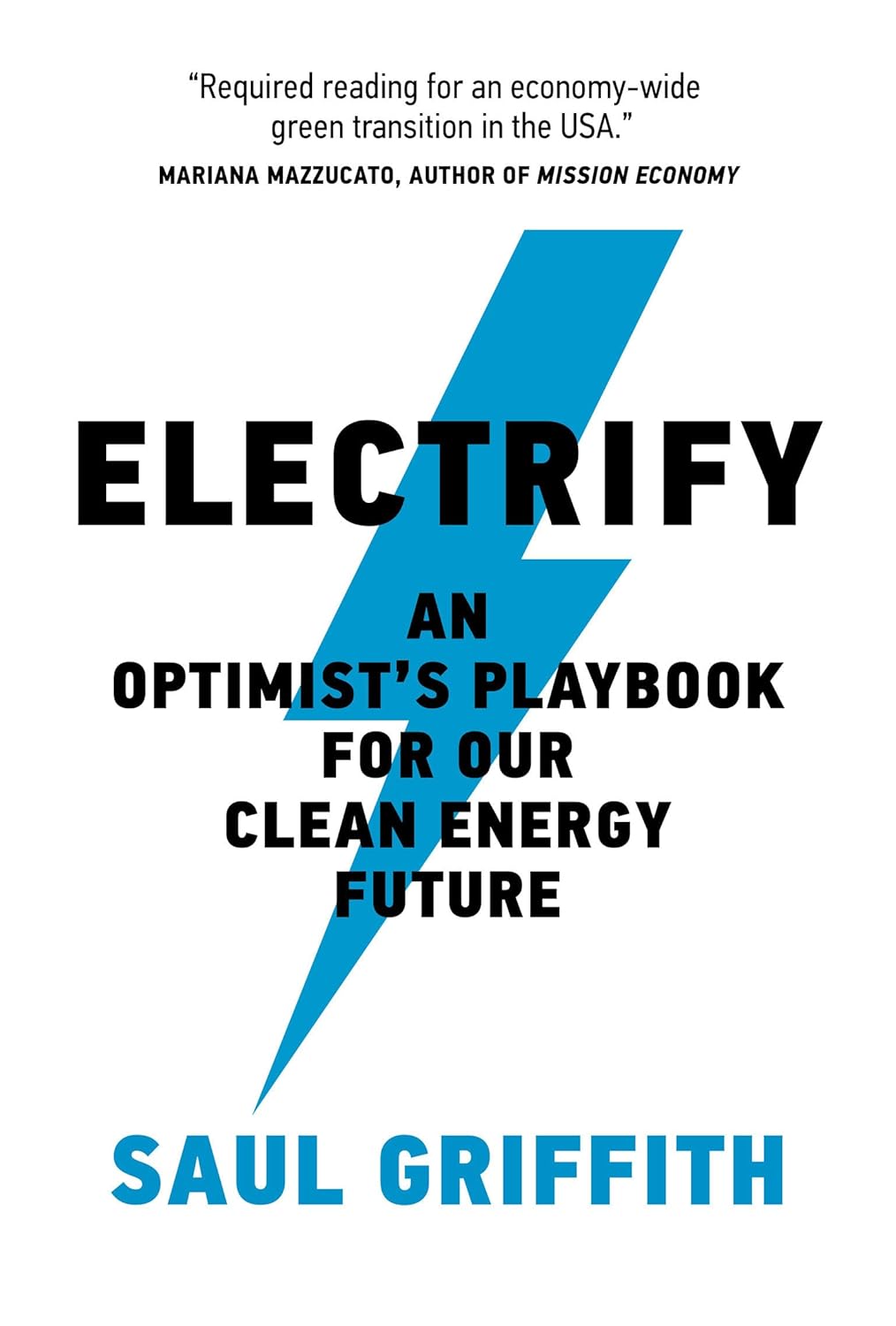
An optimistic but realistic and feasible action plan for fighting climate change while creating new jobs and a healthier environment: electrify everything.

Videos about simple living, self-sufficiency, unconventional (and unique) homes, backyard gardens (and livestock), alternative transport, DIY, craftsmanship, and philosophies of life.

Essay-style deep dive youtube content on climate issues

An indispensable guide for anyone who wants to live to age 100—by making sure there’s a livable world when you get there.

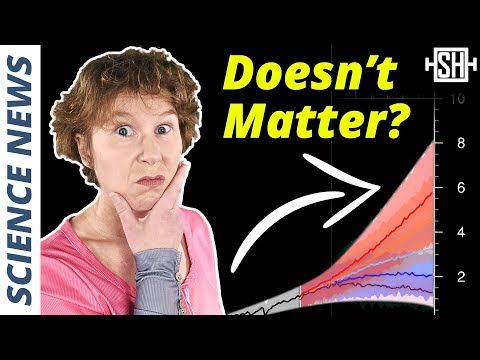
Simon Clark is a scientist turnt full-time youtuber focusing on climate literacy; calm, credible and solutions-aware.
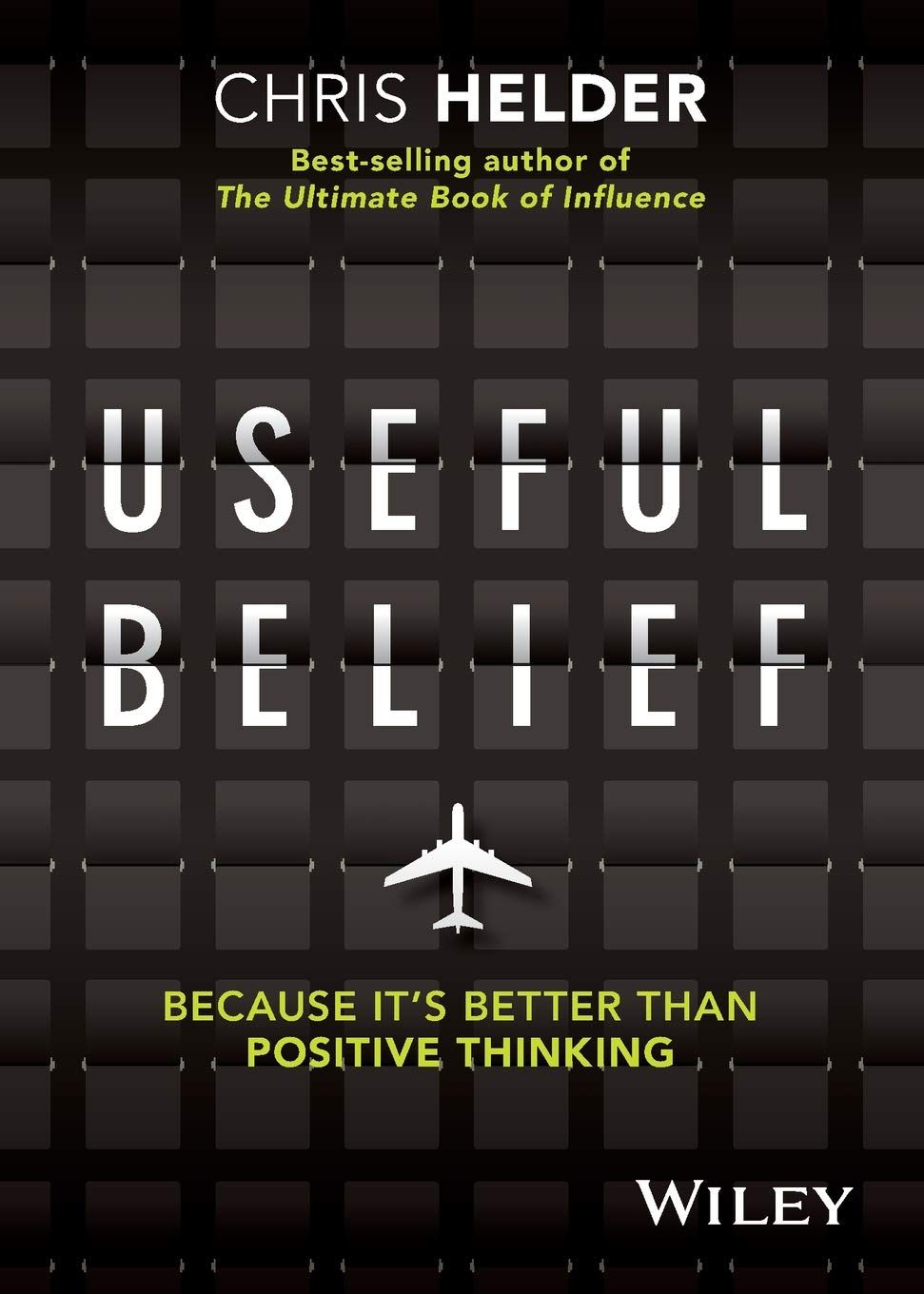
A review of Useful Belief by Chris Helder and why it's a great read for anyone navigating climate anxiety, overwhelm, or hopelessness and ready to take meaningful action.

Drawdown by Paul Hawken ranks the 100 most effective solutions to reverse global warming. Its level of detail and pragmatic approach make it an empowering and practical climate resource
Actions by Usama

Voting is the highest-leverage political action available to most people. Checking your registration takes two minutes and making sure it's current is the first step to using it.
Most companies have some form of sustainability or energy policy. Asking about it as an employee signals that it matters to the people who work there, which influences how seriously leadership takes it.
Online shopping can actually produce fewer emissions than driving to a store, but only when you shop intentionally. Fewer shipments, fewer returns, and no impulse buys make the difference.
City and county governments control building codes, zoning, transit, and energy procurement. Showing up to one meeting, even just to listen, puts you in the room where local climate decisions actually get made.
Local newspapers publish reader letters regularly and local officials read them. A short, personal perspective on a local energy or climate issue reaches further than most people realize.
5Calls gives you a script, a phone number, and a specific issue to call about; making constituent calls take under three minutes with no preparation needed.
Sending a short message to your elected representative about clean energy takes five minutes and costs nothing and constituent contact influences policy more than most people realize.
Electric motorbikes in Pakistan are cheaper to run than petrol bikes, require less maintenance, and are now available from local brands at accessible price points.
Shared auto rickshaws and app-based carpooling are already part of everyday life across South Asian cities and splitting a ride cuts emissions, reduces traffic, and saves money at the same time.