Applying the 80/20 rule to climate action
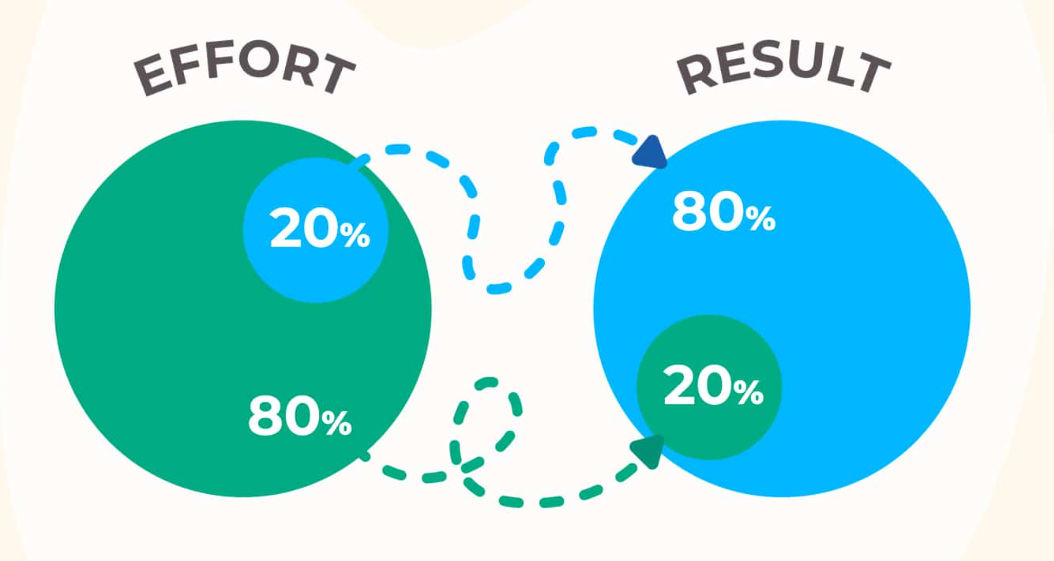
The "80/20 rule" is the concept that you can often achieve 80% of the benefits from 20% of the work. This is not an exact science, but the truth to it is that there is almost always particularly impactful or easy things you can do to get most of the way to a desired outcome. This concept fits well with personal climate action; for any action, you can often get almost all of the emissions reduction with a few slammer changes. For example, to reduce your food impact, eating less beef will get more than half of the benefits as being a vegetarian, since other meats have far lower emissions than beef. When you look at the data, many other actions work this way too.
Here's the empowering secret about climate action: you don't have to do everything perfectly to create meaningful change. A small number of your choices generate the vast majority of your positive environmental impact. Understanding this transforms how we approach sustainability.
This isn’t specific to climate change. The 80/20 rule, also known as the Pareto principle, observes that roughly 80% of effects come from 20% of causes. When applied to climate action, this principle reveals something wonderfully empowering: we can achieve significant impact on emissions by channeling our energy into a vital few high-impact choices. This isn't about giving ourselves permission to ignore opportunities. It's about working smarter, directing our precious time and energy toward actions that create the most positive change.
Discovering Your Leverage Points
When we examine how change happens, fascinating patterns emerge. Research shows that specific leverage points create disproportionate results. Research from the University of Michigan shows that just a few key categories; transportation (30% of household emissions), home energy (41%), and food (10-30%) account for the majority of the average household's carbon footprint. This reveals something encouraging; you don't need to perfect every aspect of your life to create a meaningful impact, when we focus on a few key areas, we can get the majority of the impact.
The same pattern appears in households. Project Drawdown research shows household actions can contribute 25-30% of the emissions reductions we need, especially when we direct our attention wisely. We're learning that transformative choices like home energy efficiency and dietary shifts often create more impact than we initially realized, opening up exciting possibilities for meaningful change.
The High-Impact 20%: Where Your Choices Shine Brightest
Transportation: Electric Vehicles and Mindful Flying.
Switching to electric vehicles, whether cars, e-bikes, or scooters creates substantial impact, eliminating tailpipe emissions while contributing to the momentum that's rapidly expanding charging infrastructure and making electric transportation more accessible for everyone. Choosing alternatives to long-distance flights amplifies your positive impact even further, saving roughly eight times more emissions annually than other everyday choices. This doesn't mean never flying. It means recognizing where your decisions create the most momentum for change.
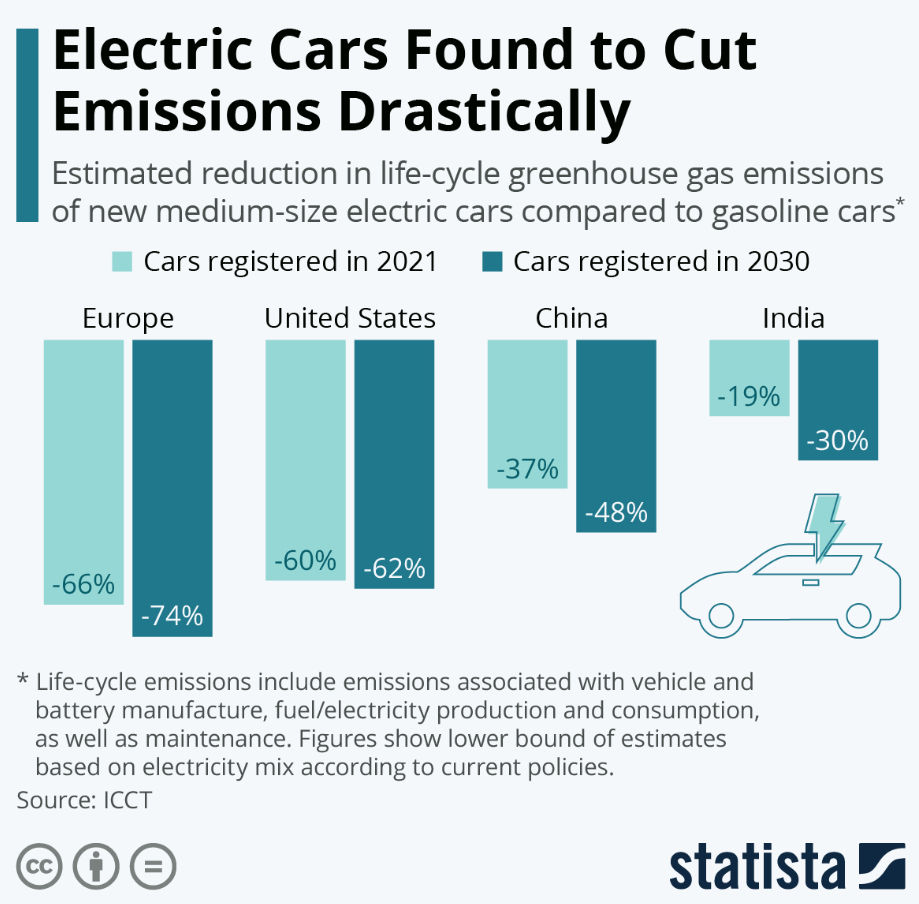
Lifecycle emissions comparison showing EVs reduce emissions - Statistica
Home Energy: The Power of Transformation.
While every energy-saving habit helps, investing in rooftop solar, upgrading insulation, or installing heat pumps delivers dramatically larger benefits. Nature Communications research found energy-efficient building improvements including deep retrofits with better insulation, efficient heating/cooling systems, and rooftop solar can reduce building energy use by up to 66% and carbon emissions by up to 84%, creating lasting change that compounds over time. These structural improvements keep working for you, year after year.
Diet: A Delicious Climate Solution.
Shifting toward plant-based eating creates more positive impact than many people realize, but you don't need to go fully vegetarian to capture most of the benefits. Here's the encouraging part: simply reducing beef consumption delivers more than half the climate impact of going completely plant-based, since beef produces roughly 10 times more emissions than chicken or pork, and over 20 times more than plant proteins. Even swapping beef for chicken delivers substantial savings, since raising beef emits roughly 60 kg CO₂ per kilogram while chicken emits only 6 kg. Going fully plant-based saves even more, but if that feels like too big a leap, focusing specifically on reducing beef consumption captures most of the benefit. So instead of going vegan, trying a plant-based burger or using ground turkey instead of beef make a meaningful impact.
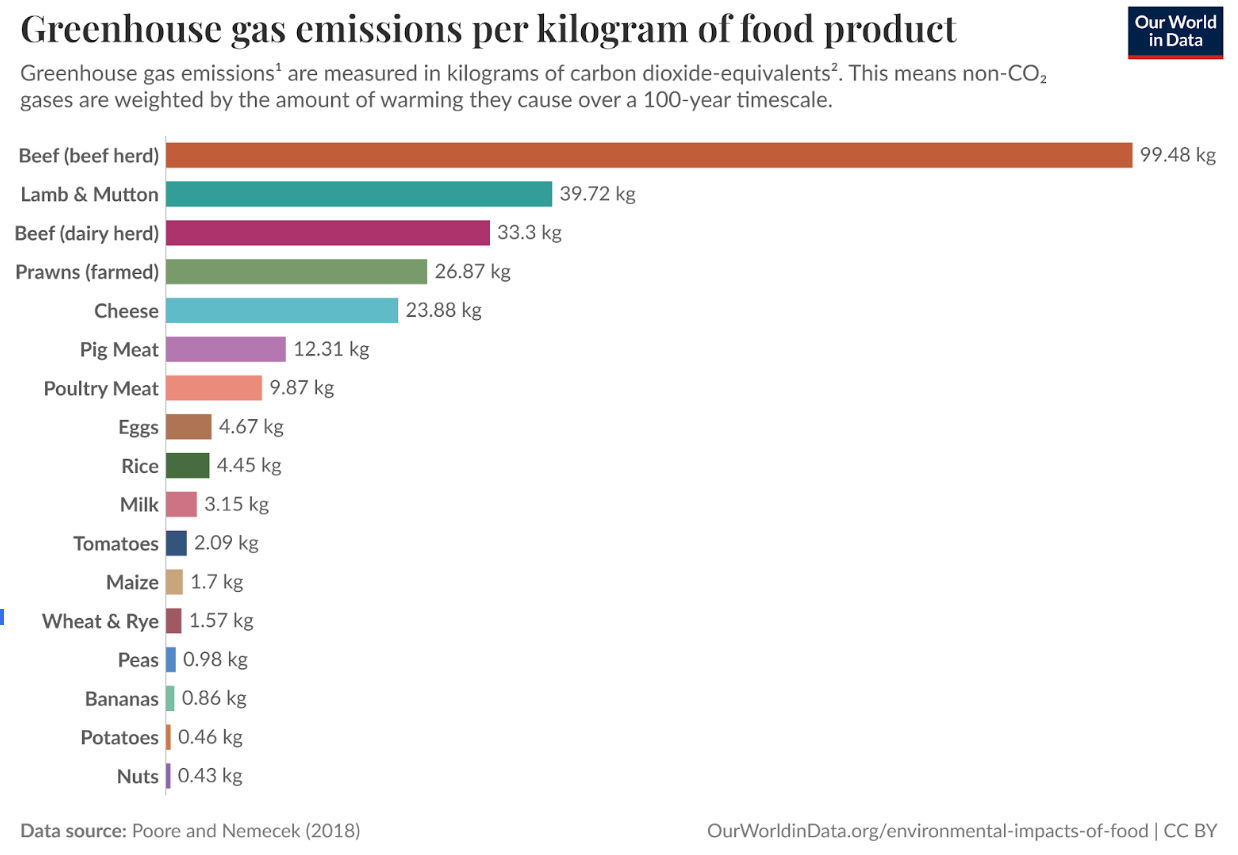
Bar chart comparing greenhouse gas emissions across protein sources showing beef at 99.5 kg CO₂e/kg vs chicken at 9.9 kg CO₂e/kg - Our World in Data
Looking at the average U.S. household carbon footprint breakdown reveals exactly where opportunities shine brightest. Transportation leads at nearly 16 tons of CO₂ annually, with car travel representing the largest share. Home energy follows at around 12 tons, split between electricity, natural gas, and other sources. Food contributes roughly 7 tons, with meat and dairy forming notable portions. Goods and services each add about 7-8 tons. This breakdown isn't about guilt, it's a treasure map showing where your choices create the most positive momentum.
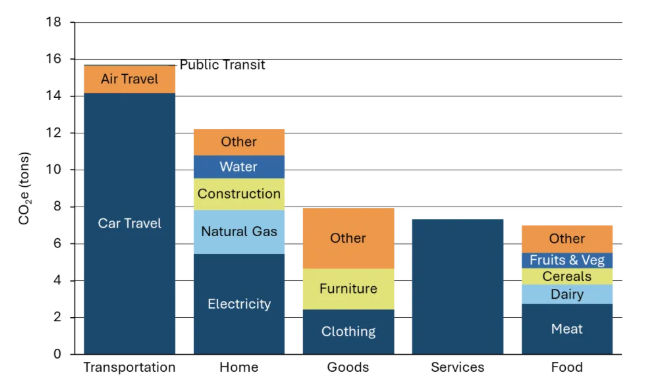
Average U.S. household carbon emissions breakdown chart showing transportation (16 tons), home energy (12 tons), goods (8 tons), services (7 tons), and food (7 tons) - University of Michigan
Consumption: Strategic Choices That Multiply.
Household expenditure research revealed that thoughtful reductions in commercial services offer powerful potential, while embracing public transportation contributes meaningful benefits. The 80/20 perspective helps us ask: which consumption shifts create the most positive ripple effects?
From Personal Choice to Collective Transformation
Here's where the 80/20 rule becomes truly exciting: your high-impact choices extend far beyond your own footprint. When you install solar panels, choose an electric vehicle, or embrace plant-based eating, you're creating visible examples, normalizing sustainable choices in your community, and contributing to market signals that expand options for everyone around you.
Your choice to live car-free demonstrates to city planners that people want a better public transport system & infrastructure. Your plant-based meals show restaurants and food companies that alternatives deserve investment and innovation. This is how individual leverage points spark systemic transformation. When enough people focus on high-impact changes, those decisions combine into powerful market forces and cultural shifts that unlock larger possibilities.
Consider the inspiring example of electric vehicles. When early adopters make the switch from petrol to electric, they create visible demand that signals to governments: this transition matters to people. Governments respond by investing in charging infrastructure, which makes electric vehicles practical for more people. As more drivers make the switch, governments expand charging networks further, creating an upward spiral where individual choices and systemic support lift each other continuously. Your decision to drive electric doesn't just reduce your emissions. It builds the foundation that makes sustainable choices accessible and appealing to your neighbors.
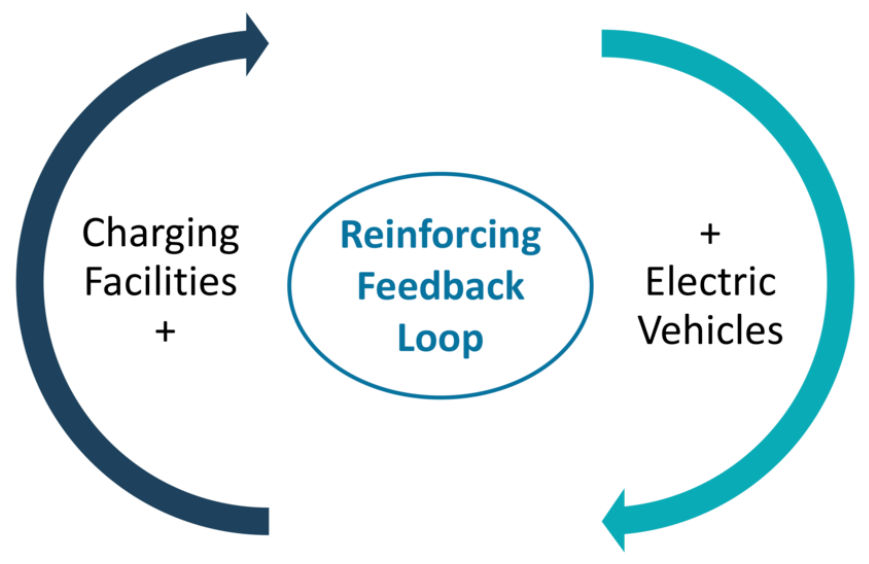
individual EV adoption drives government charging infrastructure investment, which enables more adoption
Finding Freedom in Focus
The beauty of the 80/20 approach is how liberating it feels. You don't need to achieve perfection in every area or agonize over every decision. Instead, you can identify the 20% of your lifestyle choices that create 80% of your impact, then channel your energy there with confidence and joy.
For most households, this means exploring a few key questions: How can I reduce car dependence or move toward an EV? What home energy improvements would deliver lasting benefits? Which food swaps make the most difference without being a sacrifice? These questions open up possibilities rather than imposing restrictions, because they target areas where effort creates proportionate rewards.
This represents strategic allocation of your valuable time and energy toward maximum positive impact. When you focus on high-leverage actions, you create meaningful progress while avoiding burnout, demonstrate what effective climate action looks like, and free up mental space for the collective efforts and community building that amplify individual influence into broader transformation.
The Promising Path Forward
The 80/20 rule offers an approach grounded in effectiveness and strategy, infused with genuine hope. While challenges remain, we're not facing an impossible situation. While its important that we act quickly, we do have time to shift trends, and we're already moving in promising directions. Acting now matters because change builds momentum gradually, and early movers create the pathways that make transformation easier for everyone who follows.
Every person's vital 20% looks different, shaped by unique circumstances and opportunities. Someone who flies frequently has different leverage points than someone who rarely travels. A household in a cold climate can achieve remarkable improvements through heating efficiency upgrades. The key is honest, compassionate assessment: where do your largest emissions originate, and which changes would create the most beneficial outcomes for you and your community?
Here's the genuinely encouraging reality: when millions of people channel their climate action toward the choices that matter most, we don't just achieve incremental progress. We catalyze market transformations, cultural evolution, and political momentum that unlock systemic possibilities. The 80/20 rule doesn't minimize the importance of climate action. It maximizes our collective effectiveness and reminds us that smart, focused effort creates remarkable change.
Discovering Your Vital Few
The path forward invites exploration rather than demanding perfection. It's about identifying your highest-impact opportunities and directing your energy there with intention and enthusiasm. It's recognizing that a small number of choices create most of your environmental footprint, which means those same choices hold tremendous potential for positive transformation.
Start by exploring your transportation, home energy, diet, and consumption patterns with curiosity. Where do you see the most inspiring opportunities? Those are your leverage points. Focus there, make changes that enhance your life, and trust that your concentrated effort on the vital few will generate far greater results than scattered attention across everything.
The 80/20 rule reminds us that climate action doesn't require superhuman effort or sacrifice. We don’t need to live in a commune or give up modern life. It invites strategic focus and smart choices. When we direct our energy toward the decisions that genuinely matter, we discover we have more power to create positive change than we ever imagined.
Want to learn more?
Get updates on climate progress and how you can help.