The false choice between individual and systemic climate action
Discover why the false choice between individual and systemic climate action undermines progress. Learn how both approaches work together.
The false choice between individual and systemic climate action
Here's the uncomfortable truth about climate action: we've been arguing about the wrong thing. For years, advocates have squared off in an exhausting binary; individual responsibility versus systemic change, personal carbon footprints versus corporate accountability, individuals using reusable straws versus policy reform. It's a debate that feels urgent, principled, and increasingly pointless. Because while we've been fighting about who should act, the clock has been ticking.
The false choice between individual and systemic climate action has been holding us back from a more empowering reality: they're not separate categories at all. Individual actions don't just reduce your personal emissions, they're actually how systemic change happens. When you install solar panels, you're creating market demand that drives down costs for everyone. When you bike to work, you're making it more normal for people to skip the car sometimes. When you shift your diet, you're signaling to food companies which direction the market is moving.
Here's what we're learning: systemic change doesn't descend from policy alone. It builds when individual choices become collective patterns, when your decisions influence your neighbor, who brings it to their workplace, who shifts how their company operates. Individual action isn't separate from systemic change, it's the mechanism through which systemic change actually spreads. That's not a burden to carry. That's leverage you already have.
Understanding Climate Action: Beyond the Binary
When people ask what is meant by climate action, they're usually trying to determine their place in this fight. And that's precisely where the false choice emerges, in the assumption that you must pick a side. Climate action encompasses any deliberate effort to reduce greenhouse gas emissions, enhance carbon sequestration, or adapt to the impacts of climate change. It's a term that holds entire worlds within it; from the solar panels on suburban rooftops to international treaties hammered out in conference halls, from regenerative agriculture practices to carbon pricing mechanisms.
The question what are the two types of climate action reveals the manufactured divide. The conventional framing presents individual action such as personal choices like reducing consumption, adopting plant-based diets, or cycling instead of driving and systemic action, which involves policy reform, corporate accountability measures, and large-scale infrastructure changes. This binary is appealing in its simplicity. It gives us clear categories, defined battlefields, and the comfort of choosing a team. But it's also fundamentally misleading.
Individual and systemic actions aren't separate types of climate action, systemic change is literally the accumulation of individual choices creating feedback loops. Consider this: when thousands of individuals adopt solar energy, they don't just reduce their carbon footprints, they create market demand that drives down costs, incentivizes innovation, and makes renewable energy more accessible to others. That's individual action catalyzing systemic change.
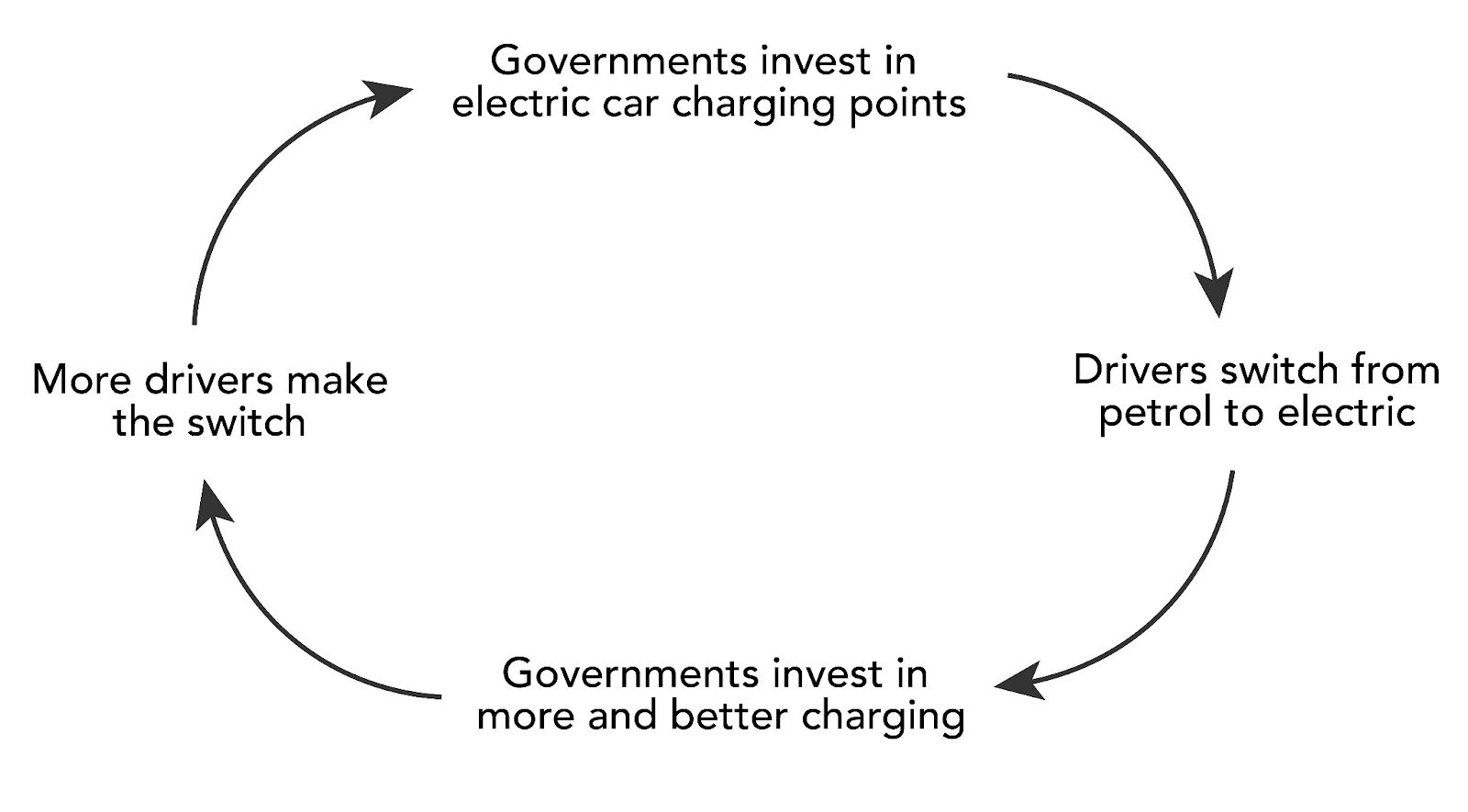
Consider how this plays out with electric vehicles. When early adopters make the switch from petrol to electric, they create visible demand that signals to governments: people want this transition. Governments respond by investing in charging infrastructure, which makes electric vehicles more practical for more people. As more drivers make the switch, governments invest in even better charging networks, creating a reinforcing cycle where individual choices and systemic support amplify each other continuously. Your decision to drive electric doesn't just reduce your emissions. It helps strengthen the case for infrastructure investment that makes the choice accessible to your neighbors.
Why Both Individual and Systemic Action Matter
Understanding why climate action is so important requires looking beyond the obvious threats. Yes, we face rising temperatures, extreme weather events, ecosystem collapse, and threats to food security and human health. All true, all urgent, all insufficient to explain why we're stuck in this false choice between individual and systemic approaches.

“Global greenhouse gas emissions by sector - showing interconnected nature of individual consumption and systemic infrastructure"- Our world in Data
Here's what often gets missed: climate action matters not just because of what we're trying to prevent, but because of what we're trying to build. The transition to a sustainable economy represents the largest economic transformation in human history, even bigger than the industrial revolution, more comprehensive than the digital revolution. It's not just about saving the planet; it's about reimagining how we live, work, and relate to our environment and each other.
When examining who benefits from climate action, the answer is everyone and that's precisely the point. The immediate beneficiaries include communities most vulnerable to climate impacts: coastal cities threatened by rising seas, agricultural regions facing drought, areas prone to flooding. But the benefits extend far beyond. Renewable energy creates jobs, reduces energy costs, and enhances energy security. Sustainable urban design improves public health and quality of life. Climate action drives innovation, opens new markets, and positions economies for the future.
The false choice between individual and systemic action obscures these universal benefits by creating the illusion that someone must lose for others to win. It suggests that personal sacrifices are futile without policy change, or that policy change somehow exempts us from personal responsibility. Both premises are wrong and counterproductive.
Real Examples of Integrated Climate Action
The most successful examples of climate action blur the lines between individual and systemic approaches. These aren't theoretical constructs, they're working models demonstrating how false the choice really is:
Community Solar Programs: Individual households subscribe to shared solar installations, combining personal choice with collective infrastructure investment. The result? Lower costs through economies of scale, broader access to renewable energy, and demonstrated demand that influences utility planning and policy decisions. Its individual action is made more powerful through systemic structures.
Urban Cycling Infrastructure: Individuals choose to bike instead of drive, but their ability to do so safely and conveniently depends on systemic investment in bike lanes, parking facilities, and connectivity. As more people cycle, political support for further infrastructure grows, creating a virtuous cycle where individual action and systemic change reinforce each other continuously.
Corporate Sustainability Commitments: Companies adopt net-zero targets in response to pressure from consumers, investors, and employees, all individual stakeholders making personal choices that aggregate into irresistible market force. These commitments then drive systemic changes in supply chains, product design, and business models, which in turn make sustainable choices easier and more affordable for consumers.
Notice the pattern? The most impactful climate actions don't fit neatly into either category. They're hybrid approaches that harness the power of both individual agency and systemic transformation, each amplifying the other.
The Obstacles We've Created and Can Remove
Understanding what are the biggest obstacles to climate action means acknowledging an uncomfortable reality: we've constructed some of these barriers ourselves through our insistence on false choices. The actual obstacles are formidable enough such as fossil fuel industry resistance, political polarization, short-term economic thinking, lack of international coordination, inadequate funding for developing nations, and the sheer complexity of transforming global energy systems.
The false choice creates several specific problems. Fossil fuel interests promote carbon footprint calculators to focus your attention on personal guilt and perfecting your own emissions, distracting from actual power to influence systems and shift trends. This enables cynics to dismiss action as either insignificant or unrealistic. Most damagingly, it paralyzes people who genuinely want to help but feel caught between contradictory messages about what actually works.9
How individual action becomes political change
Political will doesn't emerge spontaneously from government offices. It's built through the accumulated pressure of individual citizens making demands, organizations mobilizing resources, movements shifting cultural norms, and coalitions building power. But it starts even more fundamentally: with the products people buy, the conversations they have at dinner tables, the choices they normalize in their communities.
When you choose an electric vehicle, you're not just making a purchase, you're participating in conversations that shift what your friends consider, creating visible proof that alternatives work, and contributing to the market signals that convince manufacturers and policymakers where things are headed. Individual action and systemic change aren't competing strategies, they're sequential and reinforcing stages in the same transformative process, beginning with everyday choices and conversations that accumulate into irresistible momentum.
Empowerment is the antidote to inaction
When we argue that individual action is pointless without systemic change, we demotivate millions who could start making different choices today. When we focus solely on policy reform, we miss recognizing the power we have to influence those very policies through our choices and voices. The cultural transformation that sustains policy changes through inevitable political cycles doesn't happen separately from individual action; it is individual action, multiplied across communities and conversations. The question isn't whether one approach works better, it's whether we're willing to deploy both comprehensively.
The debate between individual and systemic climate action misses what actually happens: individual actions don't just coexist with systemic change, they create it. Your choices influence the people around you, shift what markets respond to, and build the cultural momentum that makes policy change possible. Effectiveness comes from recognizing that systemic transformation emerges from these ripples of influence, each individual action contributing to the feedback loops that scale personal decisions into collective change.
Because the crisis demands it, the science supports it, and the false choice between individual and systemic action has always been just that; false. The real choice is between recognizing how individual influence builds systemic change, or missing the power we already have. It's not about winning or losing, it's about understanding that every action that shifts a norm, sparks a conversation, or demonstrates demand moves us further along the path toward transformation. Choose comprehensive. Choose integrated. Choose action in all its forms, at all its scales. That's how we move beyond false choices to real solutions. That's how we win.
Want to learn more?
Get updates on climate progress and how you can help.