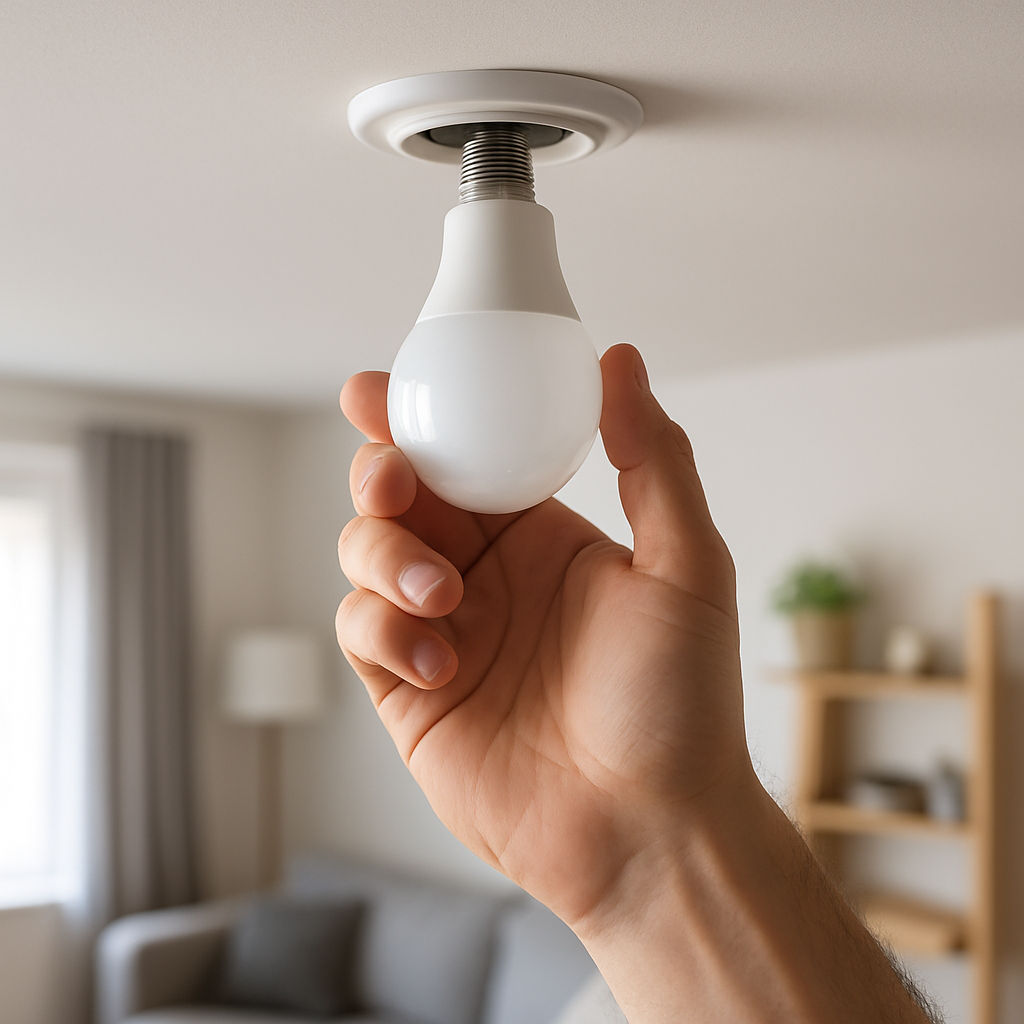
Try an LED light bulb
LED light bulbs aren't what they used to be: in the past they were very harsh, but that’s not true anymore. Now they come in warm tones, soft whites, and even dimmable options that look and feel just like the old ones, but with a much longer life.
A few months ago, one of my old lightbulbs finally burned out.
Nothing unusual — just another small reminder that things wear out over time. I went to replace it, but this time I picked up an LED instead of the usual bulb. Not because I was trying to “go green” in a big way, but because I was simply curious.
I bought just one — same screw-in base, same shape — and honestly, I was surprised. LEDs used to have a bad reputation for being too harsh or too white, but that’s not true anymore. Now they come in warm tones, soft whites, and even dimmable options that look and feel just like the old ones.
Still, I get why people haven’t switched yet. For years, LEDs were pricey, looked odd, and didn’t always work with older dimmers — those first impressions stuck around. The story today is a lot different: prices have dropped sharply, compatibility has improved, and the light quality is hard to distinguish from incandescents.
Why It Matters
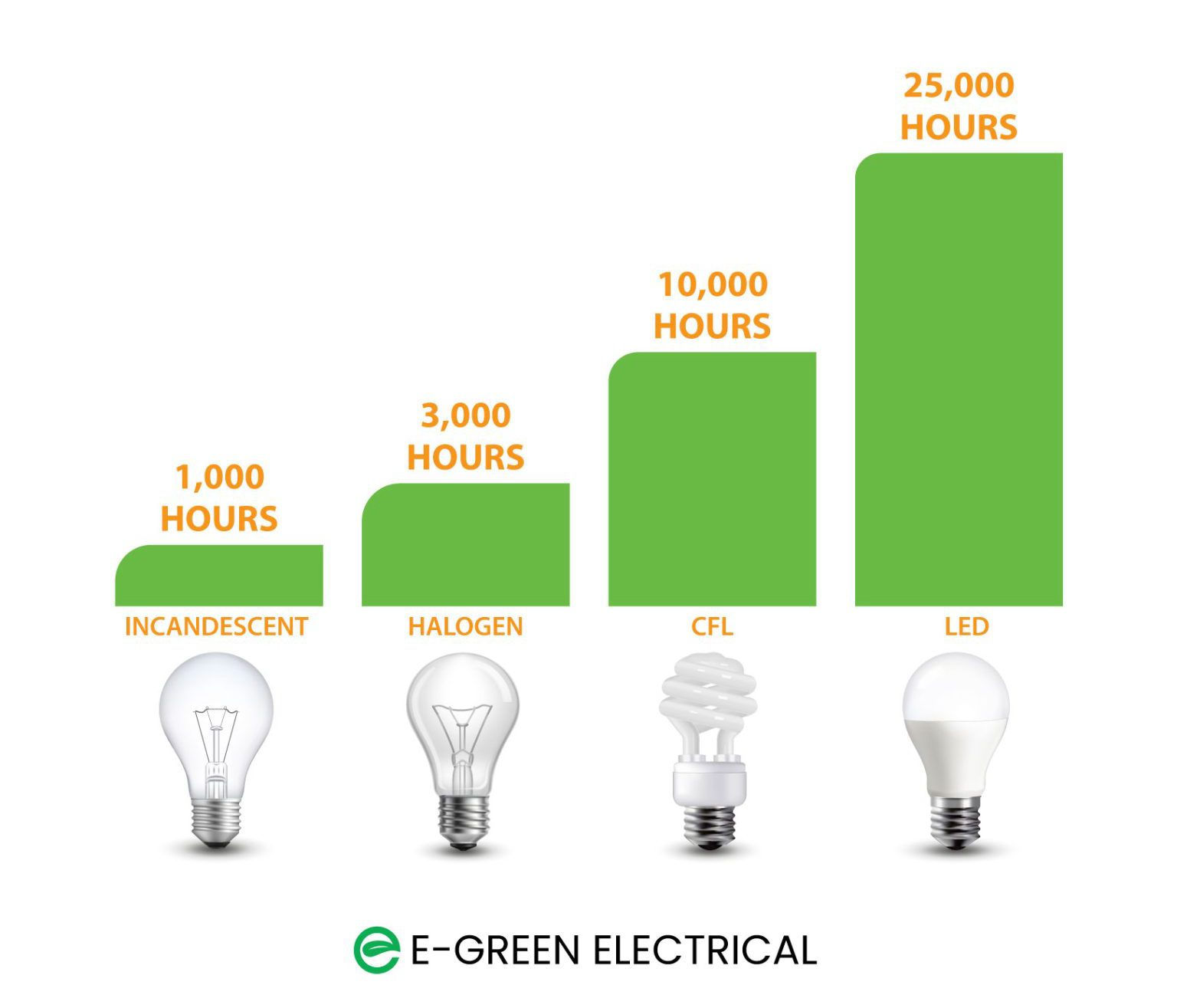
Lighting doesn’t seem like much in the grand picture, yet it adds up. According to the US Department of Energy, lighting makes up about 15% of an average home's electricity use. LEDs can cut energy use by up to 90% compared to older bulbs and last much longer.
When I thought about it, this one little change meant longer bulb lifespan, fewer emissions, and less waste. It also meant lower electricity bills — not a bad bonus for something that takes less than five minutes to do.
Since changing that first bulb, I’ve started noticing light in new ways — how easily I forget to switch it off when I leave a room, how bright my space already is without needing every lamp on, and how few of my friends actually use LED bulbs or even know how much energy they save.
It surprised me, honestly. We talk about sustainability in big terms — solar panels, electric cars, recycling systems — but something as simple as a lightbulb rarely comes up. Yet it’s right there in our homes, quietly using energy every single day.
So the next time a bulb burns out, maybe you could also try to swap it for one LED bulb.
If you want to give them a try, you can pick up an 8 pack for $10-15: Amazon.
Want to do more?
Get updates on climate progress and how you can help.