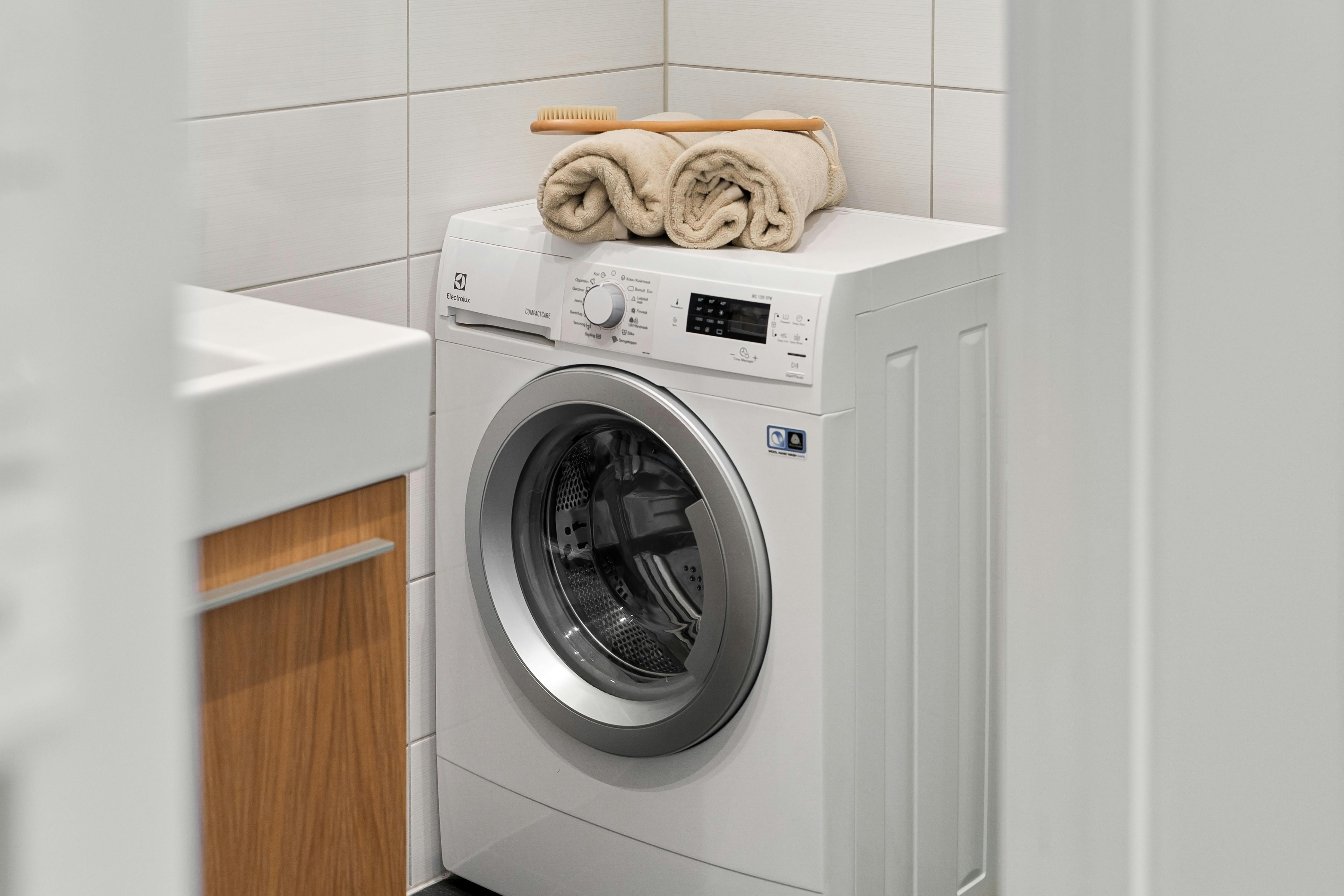
Use a cold cycle when washing clothes
Thanks to advances in detergent technology, cold washing is just as effective as washing with hot water, while also helping your clothes last longer.
Running laundry loads on a cold-water cycle is a quick change that not only saves on energy and money but protects your clothes in the long-term. Many people think that cold washes won’t clean as well as normal cycles, and this used to be true, but times have changed. Detergents on the market today are formulated to work just as well in cold water, even the major brands like Tide.
Because most of the energy used in the washing process goes to heating water, cold cycles use a fraction of the energy as hot-water cycles. This energy efficiency means less CO2 is emitted per load. The climate benefits, but so do we: washing at 30°C instead of 60°C uses almost 60% less energy, and this is reflected on your electricity or gas bill.

Using cold water can save a lot of money over time due to reduced water heating costs | Source: Cold Water Saves
Its true that hot water can be a little more effective at removing
Washing on a cold cycle is also much gentler on most textiles than using hot water—it helps fabrics keep their size, shape and texture, and prevents colors from running and fading. Some stains even wash better in cold water. This is because excess heat causes them to set and stick to the fabric.
Detergent technology isn’t the only thing that’s improved. Just as many detergents carry labels indicating that they work at cooler temperatures, modern washers typically have ‘cold’ or ‘eco’ settings that can easily be tested out. I like to use the 30°C setting for most of my laundry loads. Putting everything on at 30°C also saves time, as I don’t have to separate out the ‘cold-wash only’ delicates. There are some exceptions—if something’s really soiled, or if I’ve been sick —but on the whole, cold washes keep my clothes both clean and vibrant.
Try out a cold cycle for your next laundry load and see if you notice any difference in the results.
Want to do more?
Get updates on climate progress and how you can help.