Rup Priodarshini
Writer
I’m a London-based writer and editor with a background in human geography. As a researcher working on climate vulnerability in the Global South, I'm familiar with the direst impacts of climate change, but also the resilience and innovation people can show in the face of this challenge. As such, I'm committed to battling climate doomerism, and I believe no one is too small to help make the world a more sustainable, equitable place.
Reviews by Rup

In this book, Dharshini David follows small daily choices to show how different industries are responding to the climate problem. Balancing optimism with realism, it reveal areas of both meaningful progress and persistent challenges.
Actions by Rup
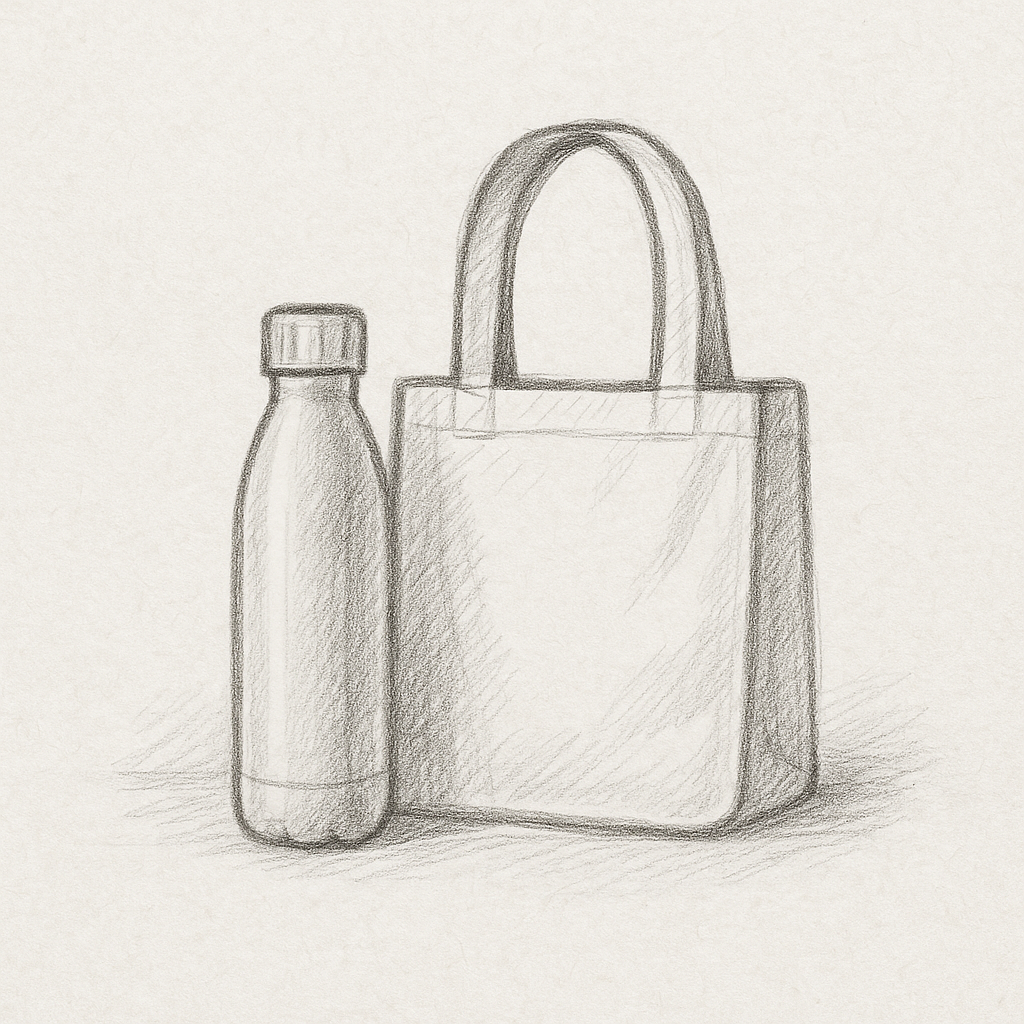
Traditional clay cat litter requires strip mining, known for its destruction of carbon sinks and other environmental and health impacts. Luckily there are many alternative litters made of wood, plant fibres, paper and more that minimise climate impact without compromising on performance.
Clothing is one of the most resource-intensive commodities people buy regularly, and often the only reason we get rid of perfectly functional clothes is that they're starting to look shabby. Fabric shavers let you give old clothes a quick makeover and get many more wears out of them.
Happy Eco News is a site and newsletter that curates positive environmental news. It's a great way to stay optimistic and motivated, and to keep your news diet balanced in the face of the magnitude of climate change.
Reading about an issue is often the best way to get your head around it, but it can be hard to know where to start. Five Books is a website where experts curate book recommendations on their areas of interest. Whether you're into history, science, or fiction, you can find book lists from experts that provide an engaging way to think more deeply on climate change.
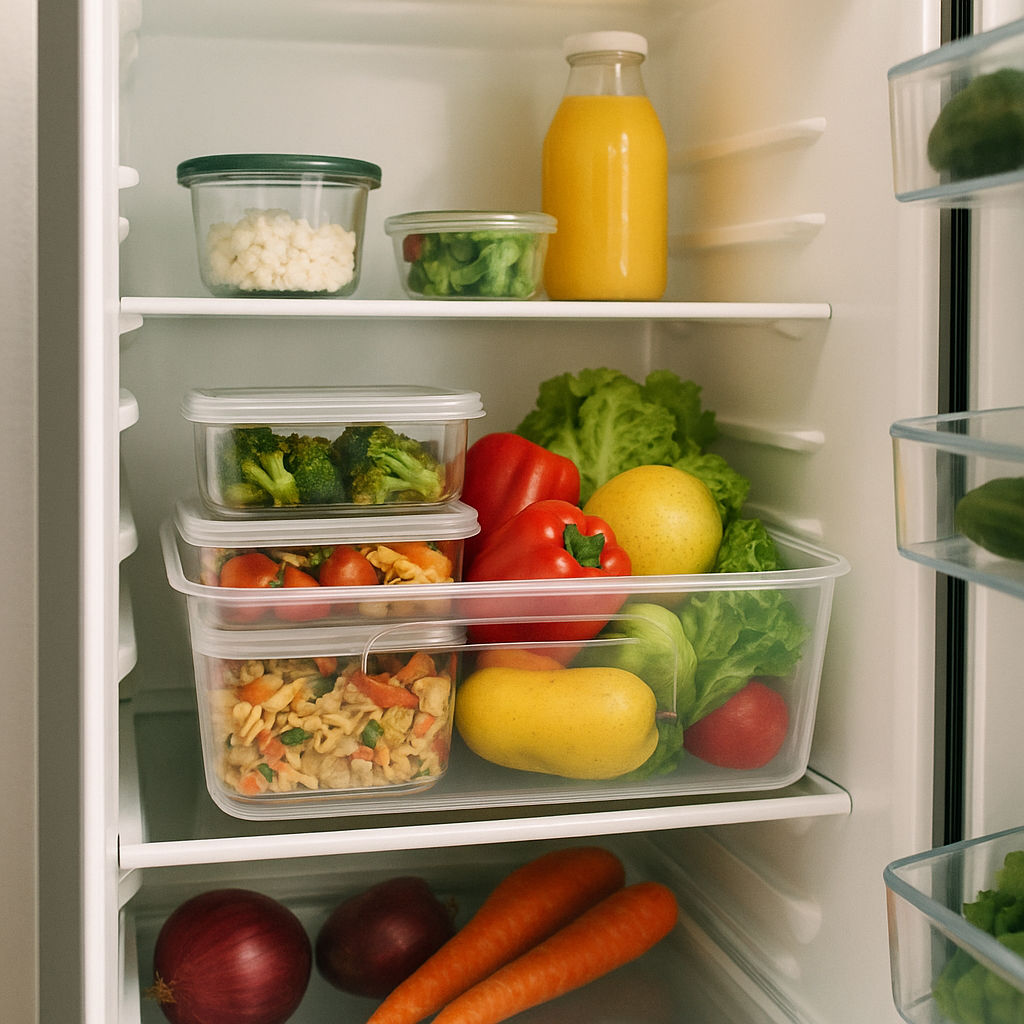
Food waste leads to significant amounts of climate change-causing greenhouse gas emissions. A free and surprisingly effective way to cut down on it is simply to eat the food before it goes bad. Having a designated place to put food that will expire soon can help you remember to use it up in a timely manner.

Sustainable or responsibly sourced pet food supports your pet’s health with high-quality, nutrient-dense ingredients. It can also lower the environmental footprint of pet diets, which are a surprisingly large contributor to agricultural greenhouse gas emissions.
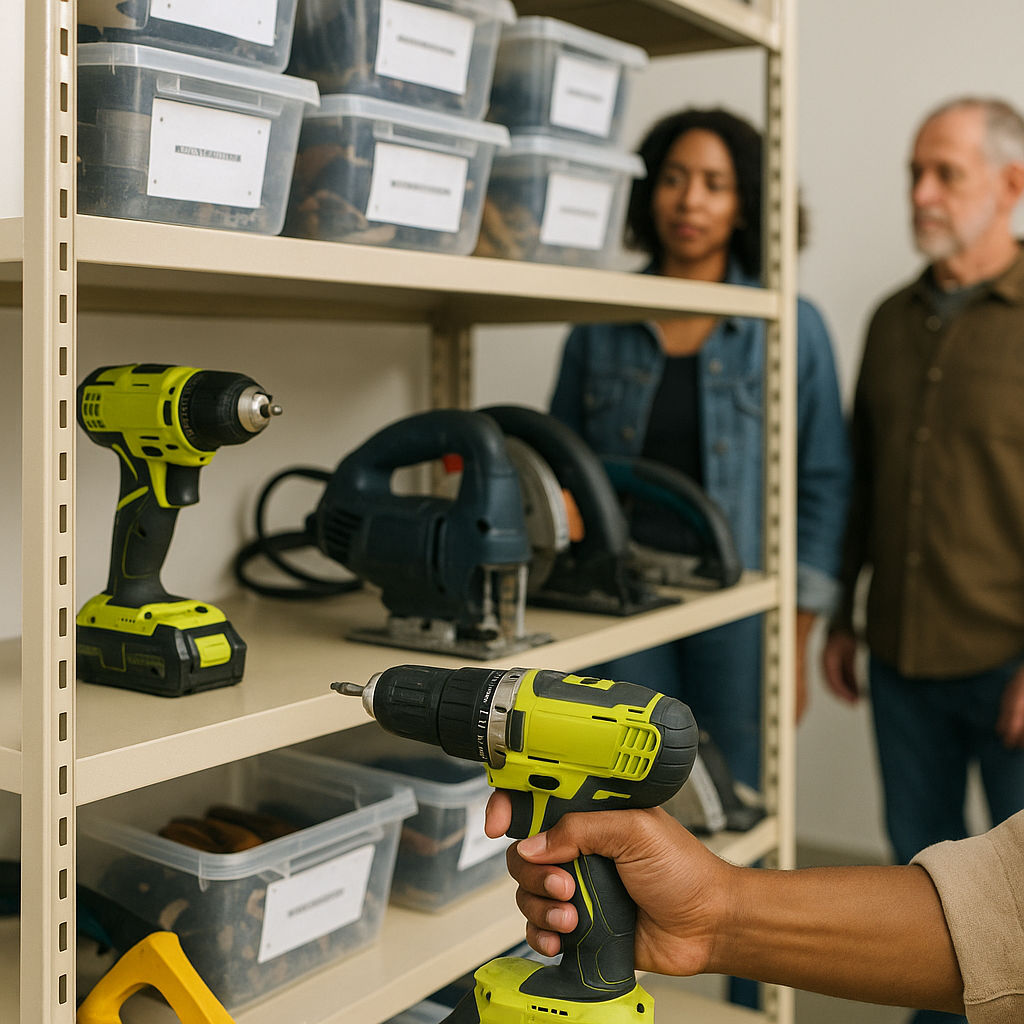
Tool libraries let you borrow things like drills, saws, and lawn equipment for a period of time. Borrowing and sharing expensive tools that aren't regularly used saves you money and storage space. It reduces demand for energy-intensive manufacturing, and encourages repairing items instead of buying more.
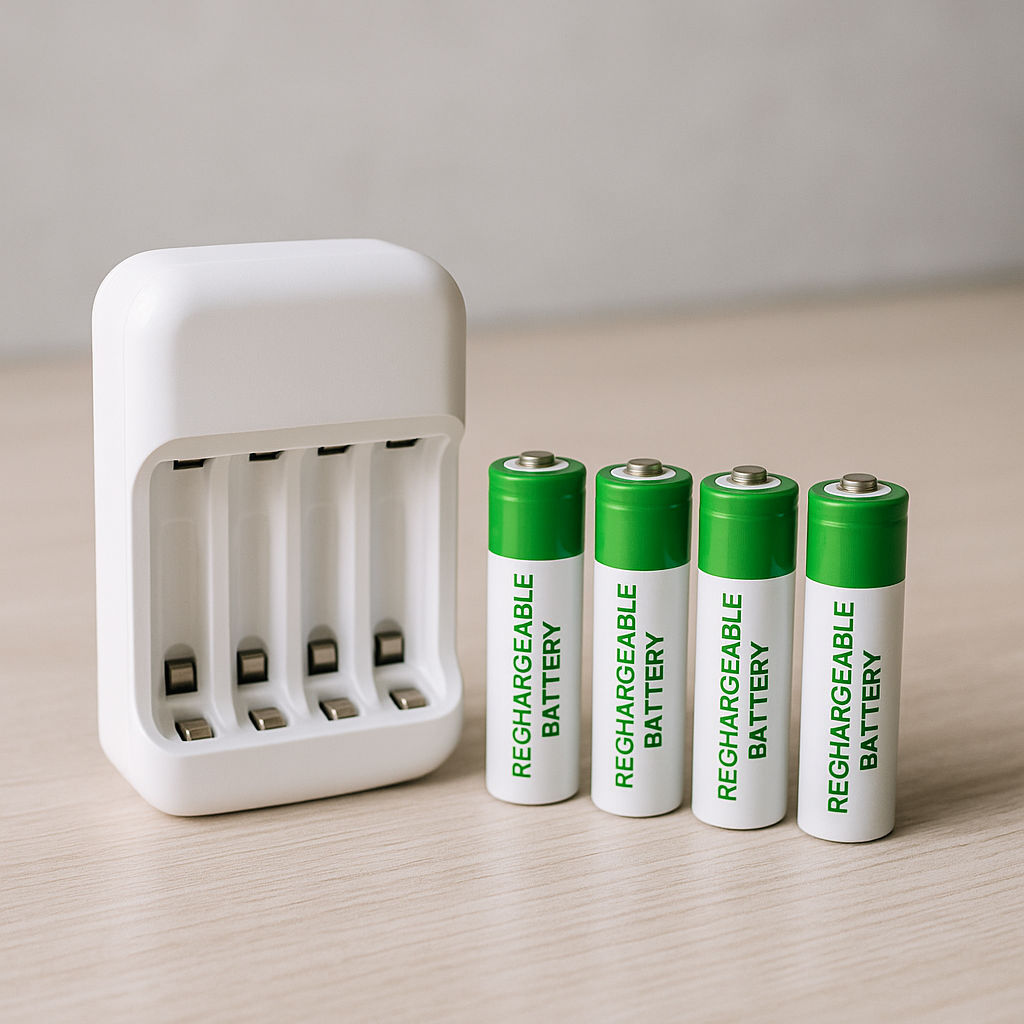
Rechargeable batteries save you money over time because they last for hundreds of cycles, reducing the number of replacements you need. Switching to them helps the climate by limiting the resource extraction, transportation emissions and toxic e-waste associated with disposable batteries.

If you or your kids like to get crafty, using recycled or reclaimed art materials is great way to keep your hobby low-impact while saving on costs. Stores specializing in 'creative reuse' supplies are beginning to pop, making it easier to prevent good materials going to waste, while reducing the demand for new paper, wood, and plastics.

Most phones and computers come with an option to manage energy use by automatically minimizing background processes and non-essential effects, and 'sleeping' during inactive periods. This saves energy and extends your device's battery life.
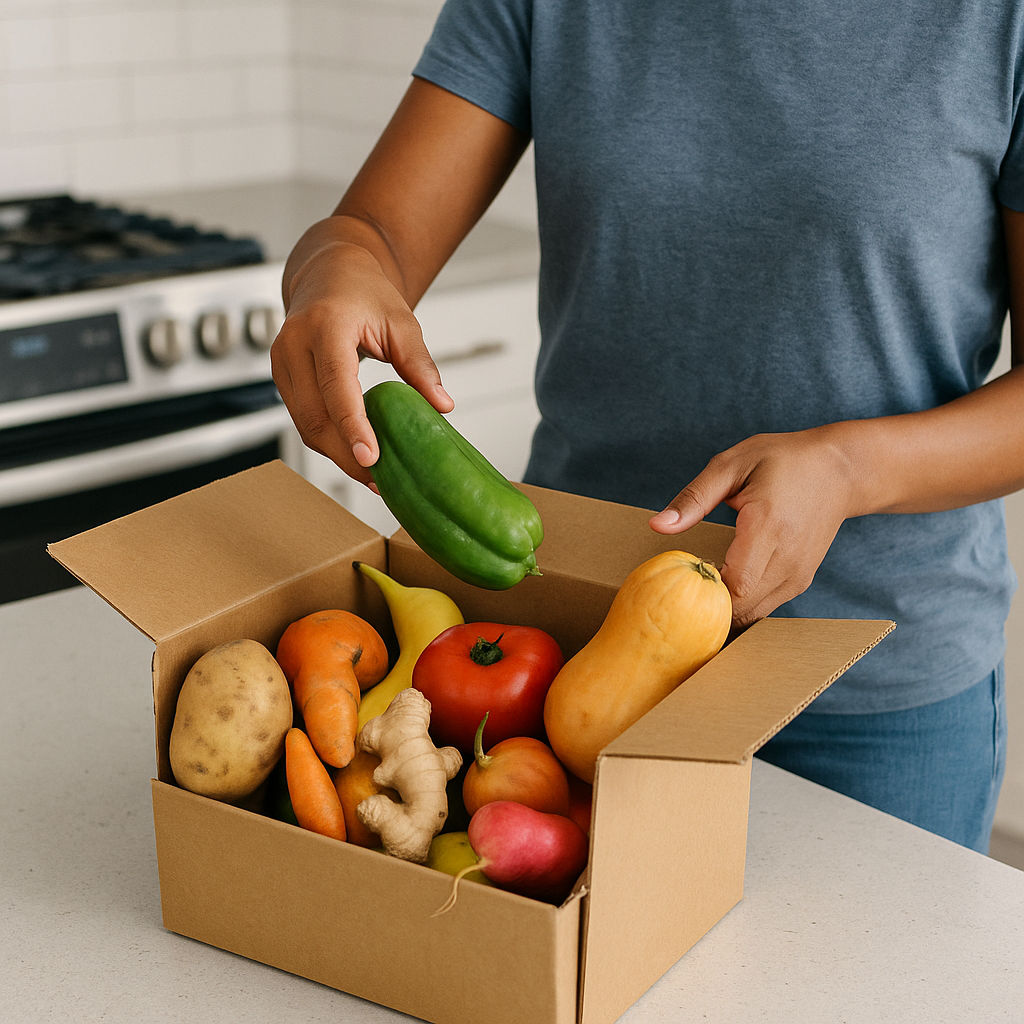
A lot of perfectly good fruits and vegetables don't make it to grocery stores due only to imperfections in their appearance. Fortunately, 'imperfect produce' subscription services are popping up, so you can help prevent fresh food from being wasted while saving some money.

Keeping electronic devices on standby uses power, and over time (and many devices) this can really build up. Using a smart power strip or simply unplugging electronics when not in use reduces energy usage.
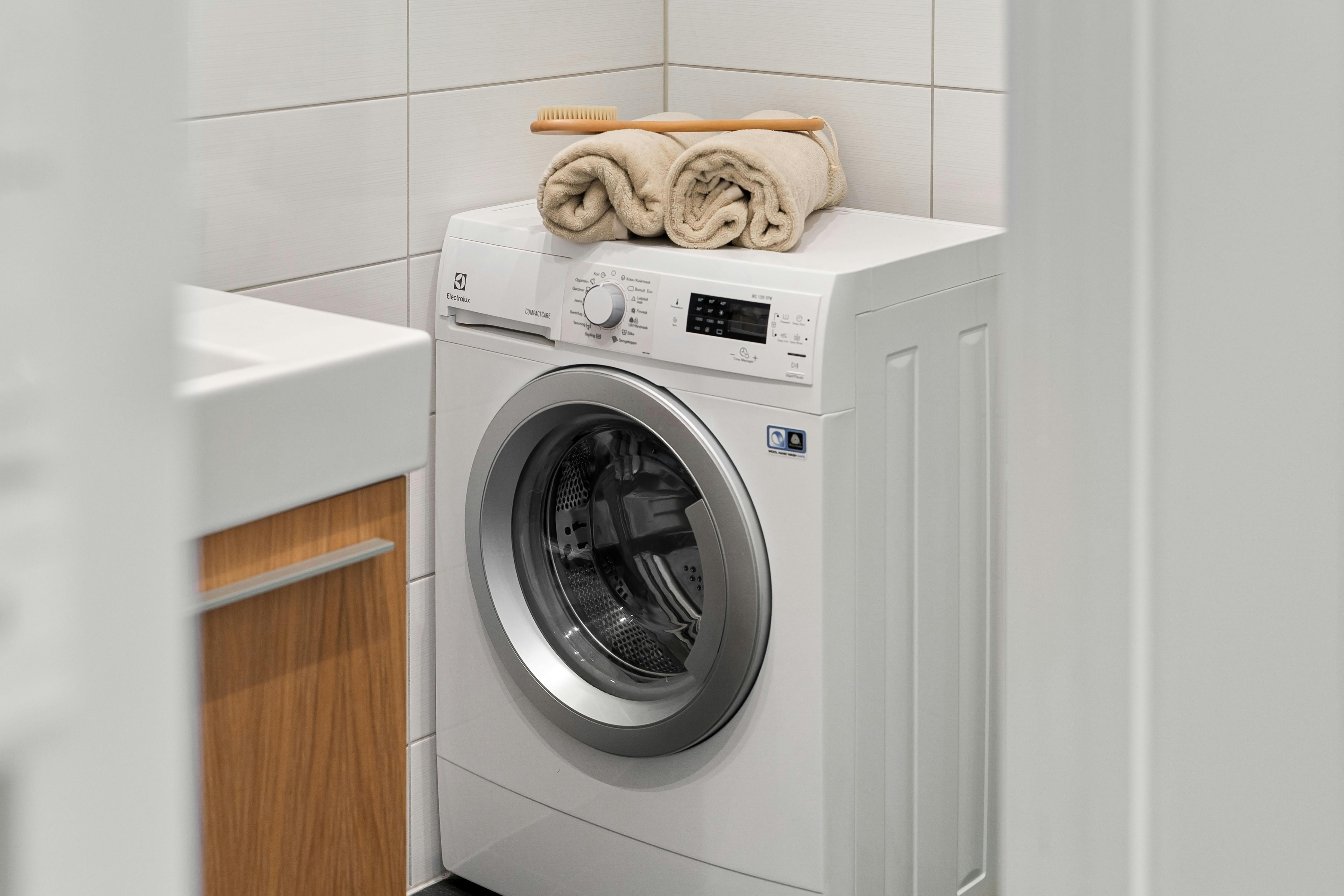
Thanks to advances in detergent technology, cold washing is just as effective as washing with hot water, while also helping your clothes last longer.

Thrifting is going mainstream - Buying secondhand clothes can save you money and time while slowing down the carbon-intensive ‘fast fashion’ market.
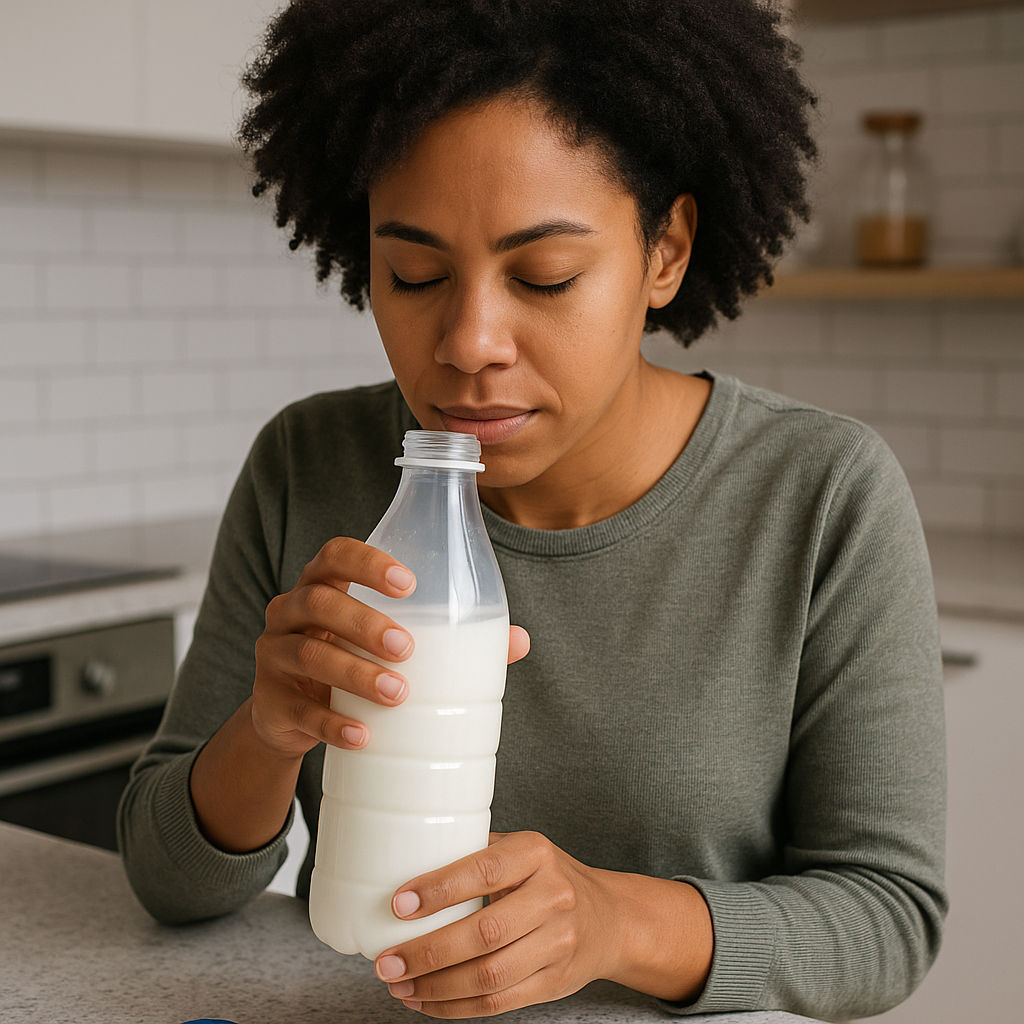
Food waste is a contributor to climate change due to the methane it releases as it breaks down in the landfill. One of the easiest ways to avoid food waste is to only throw away only food that is actually bad.
Organizations by Rup
The fact that climate change is seen as a partisan issue holds back effective climate policy in the US. DEPLOY/US is a non-profit that works to loosen polarization and increase bipartisan support and collaboration for decarbonization.

Donating to a nonprofit is a great way to supplement your personal climate action and spread your impact. However, as with any donation, it's hard to figure out which groups are actually focused on doing good and have the most impact. Fortunately, Giving Green is doing the research to provide much needed clarity.