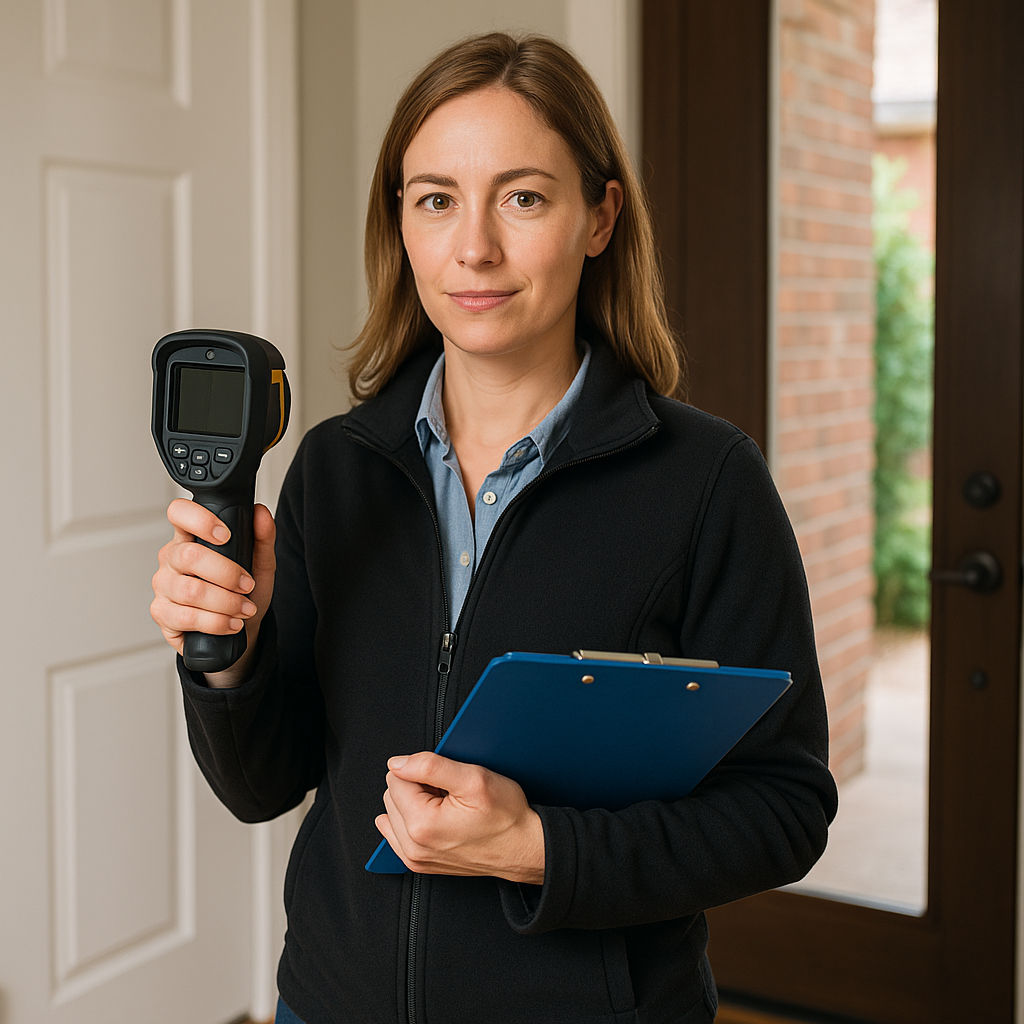
Have a home energy audit
if you have an older house and aren't sure what you should upgrade, an energy audit is a good place to start, since you'll get a list of recommendations based on a close inspection of your house
Hidden problems like leaky air ducts, poorly sealed doors, and outdated heating systems can quietly drive up your energy consumption and costs for years, and it really adds up.
An energy audit is an inspection that shows you exactly what is using up energy in your home. If you have been looking to make repairs around the house, now might be a good time to consider getting an energy audit so that you know what fixes to prioritize.
During the audit, a worker will inspect your house from attic to basement, testing for air leaks, checking your insulation level, and examining your heating and cooling system. After the inspection, you will receive a report containing a list of repair recommendations, such as fixing your air ducts, sealing gaps in your windows, and replacing your heater.
It will cost you between $100 and $300 upfront to get an energy audit, depending on the size and location of your house. The investment will pay for itself by reducing your electric bill. About $900 of the average American household’s annual electric bill goes to heating and cooling. Fixing leaks or replacing old systems after an energy audit can make a huge dent in that cost.
An energy audit might not be the biggest emission-saving action out there, but getting one is still a smart idea. With household electric bills being 13% higher now than in 2022, those savings will add up.
If you cannot afford a full audit now, some companies offer energy audits by phone or other free basic options. Energy Star even offers free do-it-yourself guides to help you get started. Even doing something simple, like adjusting your thermostat, can go a long way toward making your house climate-friendly.
Want to do more?
Get updates on climate progress and how you can help.