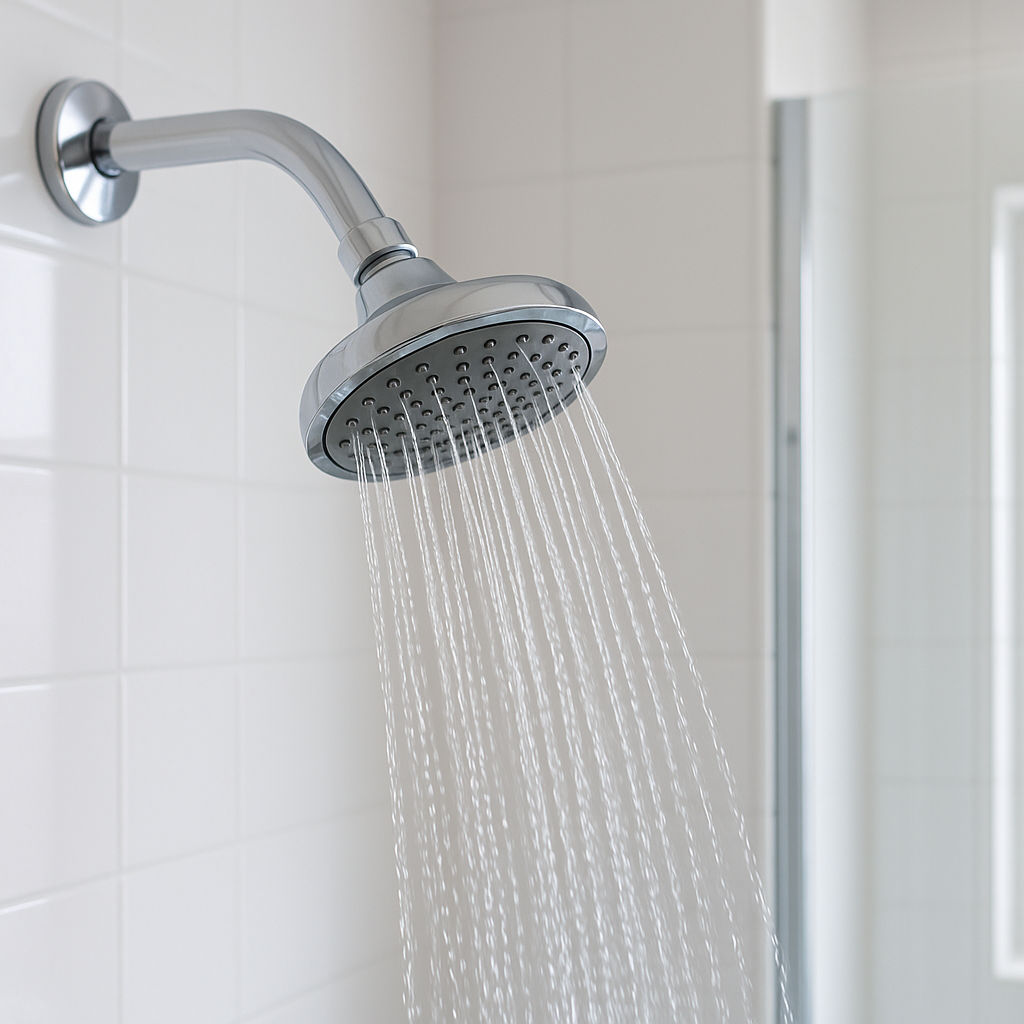
Look into a low flow shower head; they have gotten better
Low flow shower heads in the past did not feel as full, but modern versions have improved a lot of the problems, so they are worth another look!
For a long time, “low-flow shower head” wasn’t exactly a phrase that excited anyone, myself included. I pictured weak trickles of water and endless rinsing — not exactly a relaxing shower. But things have changed. The technology behind water-efficient fixtures has quietly evolved, and today’s low-flow shower heads feel surprisingly good — strong, steady, and often hard to tell apart from the regular kind.
These days, a good low-flow shower head can feel just as satisfying as a standard one, often while using 40–60% less water. The secret is in the design. Instead of simply restricting water volume, newer models use pressure-compensating technology or aeration — mixing air with water to maintain a strong, even flow. The result: a steady, refreshing shower that feels full, not stingy.
And the impact of switching might sound small, but it adds up fast. Over a year, with less than 60% water, that can mean saving thousands of gallons — and a fair bit of energy from heating all that water, too.
Beyond the numbers, there’s a quiet satisfaction in knowing that something as ordinary as a shower can be part of a bigger shift toward sustainability. We don’t have to give up comfort, convenience, or the small pleasure of a good morning routine. It’s just a more thoughtful version of what we already do every day.
Of course, not every low-flow shower head is the same. Some focus on a spa-like experience, others on simplicity or smart design. Many come with adjustable spray settings like narrow to wide, spray only, pulse, and so forth.This is particularly handy if different family members like different types of spray.

Many are even certified under the WaterSense label, which guarantees both efficiency and good performance. So if your shower head ever needs replacing, here are two reliable, water-efficient options that still feel great.
- SparkPod Shower Head - a basic option that doesn’t have any frills, but has great reviews for high pressure flow
- Raindance Showerhead 3-settings - a more premium option that can be handheld and supports different flow settings
Of course, there are many more choices out there — it really depends on your personal preference — and just make sure the model is compatible with your home’s setup.
And the install is usually easier than it sounds - no plumber needed. The only tool you’ll need is a pair of pliers, preferably one with an adjustable head like these:
How to Replace Shower Head
- Unscrew the old shower head by turning it counter-clockwise. If needed, use a wrench to loosen it
- If there’s old tape or residue on the pipe threads, wipe it off.
- Wrap plumber’s tape (Teflon tape) around the threads 2–3 times to prevent leaks.
- Screw the new shower head on by hand (no wrench unless you need a tiny final snug. If you use a wrench, put a paper towel or washcloth around the new showerhead to avoid scratches).
- Turn on the water and check for drips. If you see any, tighten just a little more.
It’s about a five-minute upgrade, and you’ll feel the difference right away.
Want to do more?
Get updates on climate progress and how you can help.