
Trying composting is easier than most people think
composting can help reduce food waste and provide nutrient rich soil for your plants or yard. It may sound like a lot of work, but it is not as hard as most people think
When organic waste from your home breaks down in landfills, it generates greenhouse gases like carbon dioxide and methane. Instead of throwing all your household waste together, you can separate the organic portion and compost it. This reduces emissions and gives you nutrient-rich fertilizer for your plants. It may sound like pretty involved, but it’s easier than you might think.
What do you need?
You’ll need a compost bin, simply a container with holes (to let air in) and a lid. When it comes to choosing one, there’s something for everyone: you’ll find indoor and outdoor models in all kinds of materials and sizes.
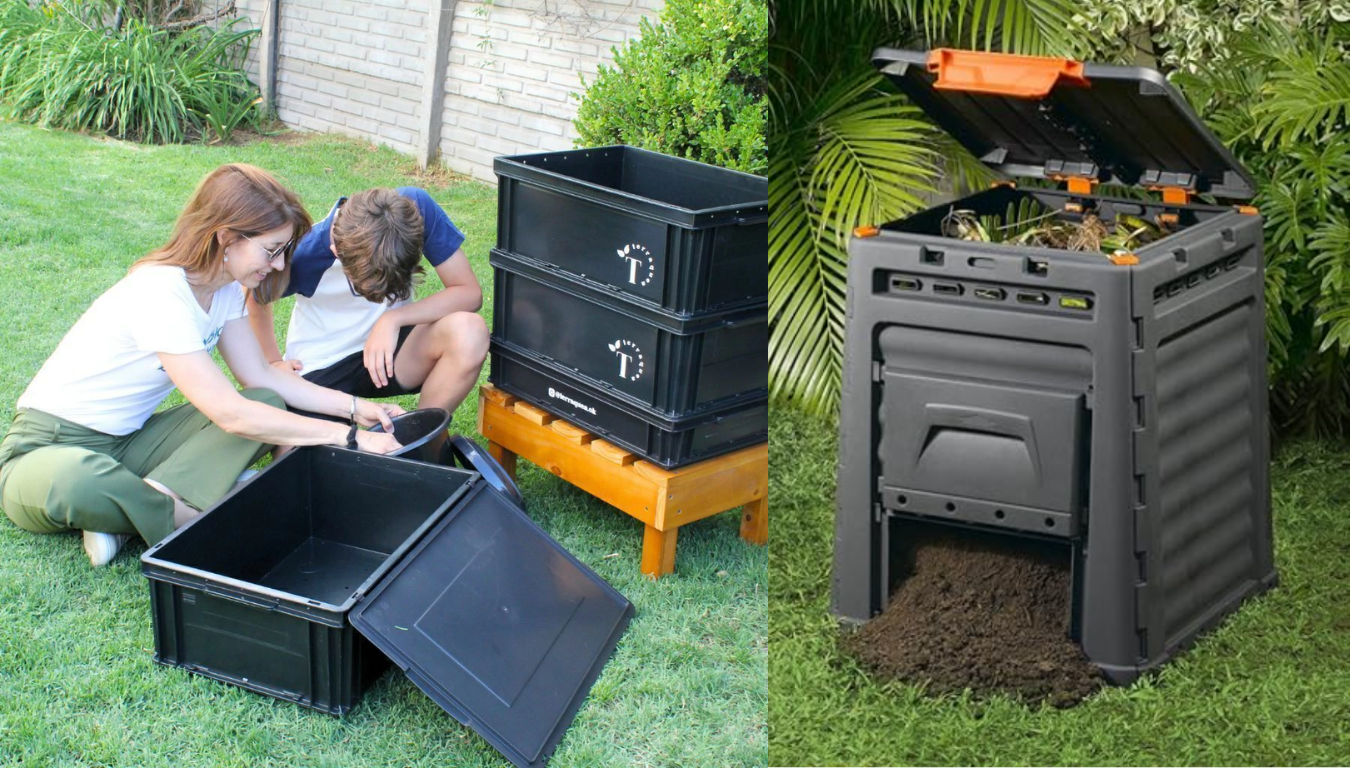
Outdoor composters tend to be larger and are ideal for families that generate more organic waste, though it’s still best to keep them under some kind of cover. Indoor composters, on the other hand, are designed for smaller volumes of waste and often include a charcoal filter to control odors. Many people also use them as a temporary collection point before transferring scraps to their outdoor compost bin.
Of course, you can always start by repurposing a bucket or container you already have at home.
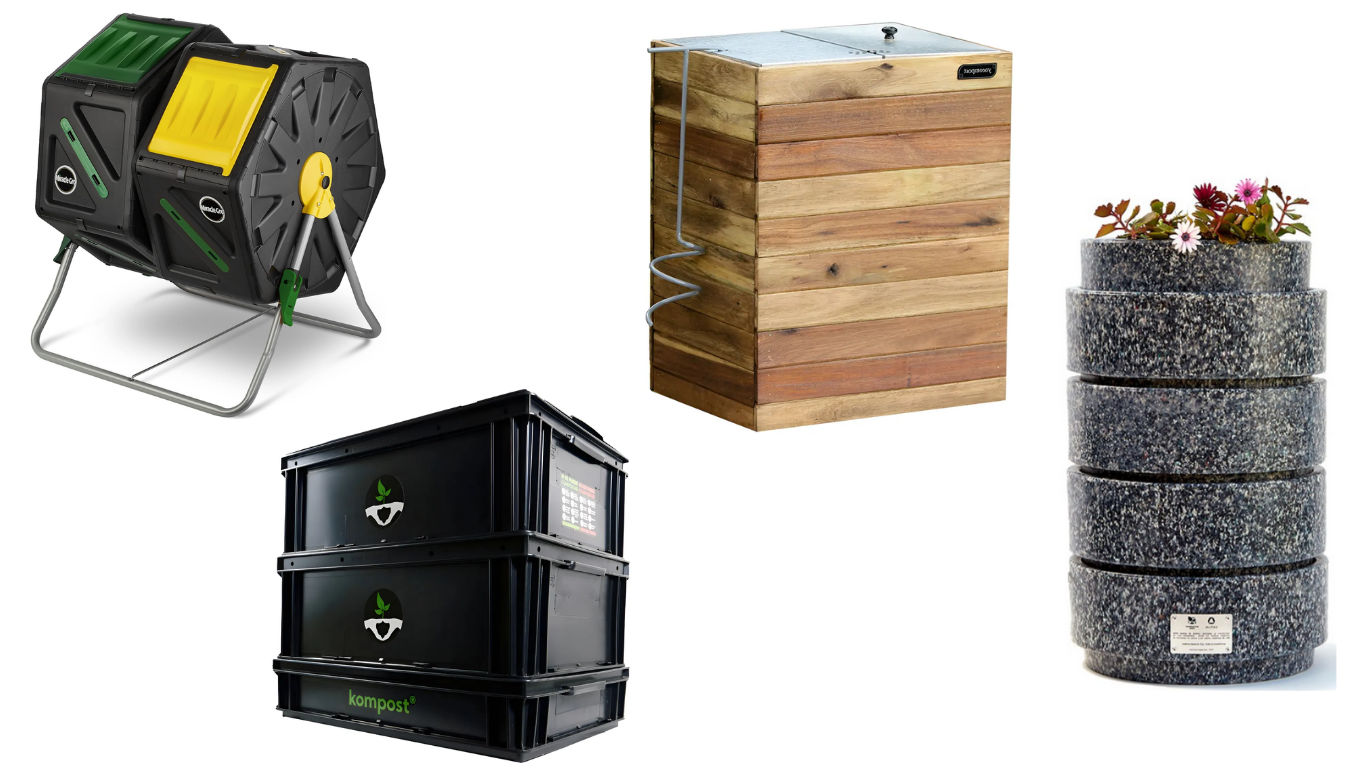
Outdoor composter options
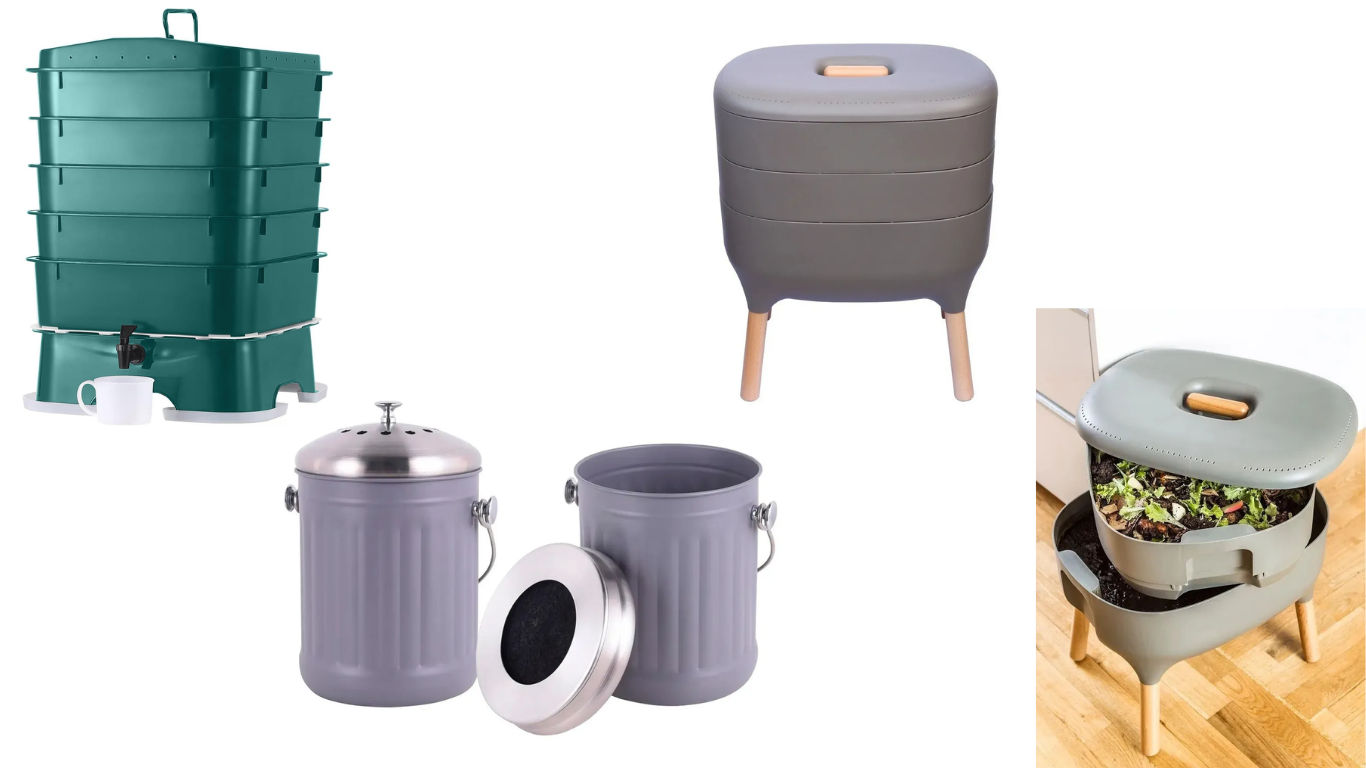
Indoor composter options
If you want to compare prices and models, platforms like Amazon offer a wide variety of options to suit different needs and budgets. Here is an outdoor composter model, and here is an indoor one.
Personally, I started composting about a year and a half ago after seeing the great results several friends had with it. I live in an apartment and keep my compost bin on the balcony. I began by using a simple paint bucket to get the hang of the process, but I’ve since upgraded to a nicer one to keep the space looking tidy.
What do you put in it?
Everyday items you can add include:
- Fresh scraps: Fruit and vegetable peels, coffee grounds, tea bags, fresh leaves, and grass clippings.
- Dry scraps: Dry leaves, dried grass, cardboard (like egg cartons), and paper towels.
It’s important to avoid bones and greasy waste to prevent odors and pests.
To get started, add a base layer of soil to your bin to introduce the microorganisms needed for decomposition. Also, consider using two bins or a composter with two compartments. This way, while one batch is maturing, you can continue adding fresh scraps to the other.
What’s the work involved?
Just mix the contents every two or three days to aerate it. You can use a small shovel or a garden trowel, some composters even come with a special steel mixer tool. The rest of the work is done by microorganisms, they’ll take care of the hard part for you!
What’s it for?
After a few months, you’ll have your own compost! This natural fertilizer looks and smells like rich soil, feeling homogeneous to the touch and showing no recognizable traces of its original components . It acts as a powerful organic amendment, adding essential macronutrients like nitrogen, phosphorus, and potassium to the soil, while also improving its structure for better water retention and stronger root development.
Before using it, mix it with soil for your pots, flowers, or garden. You can also sift it and spread it over your lawn.
Want to do more?
Get updates on climate progress and how you can help.