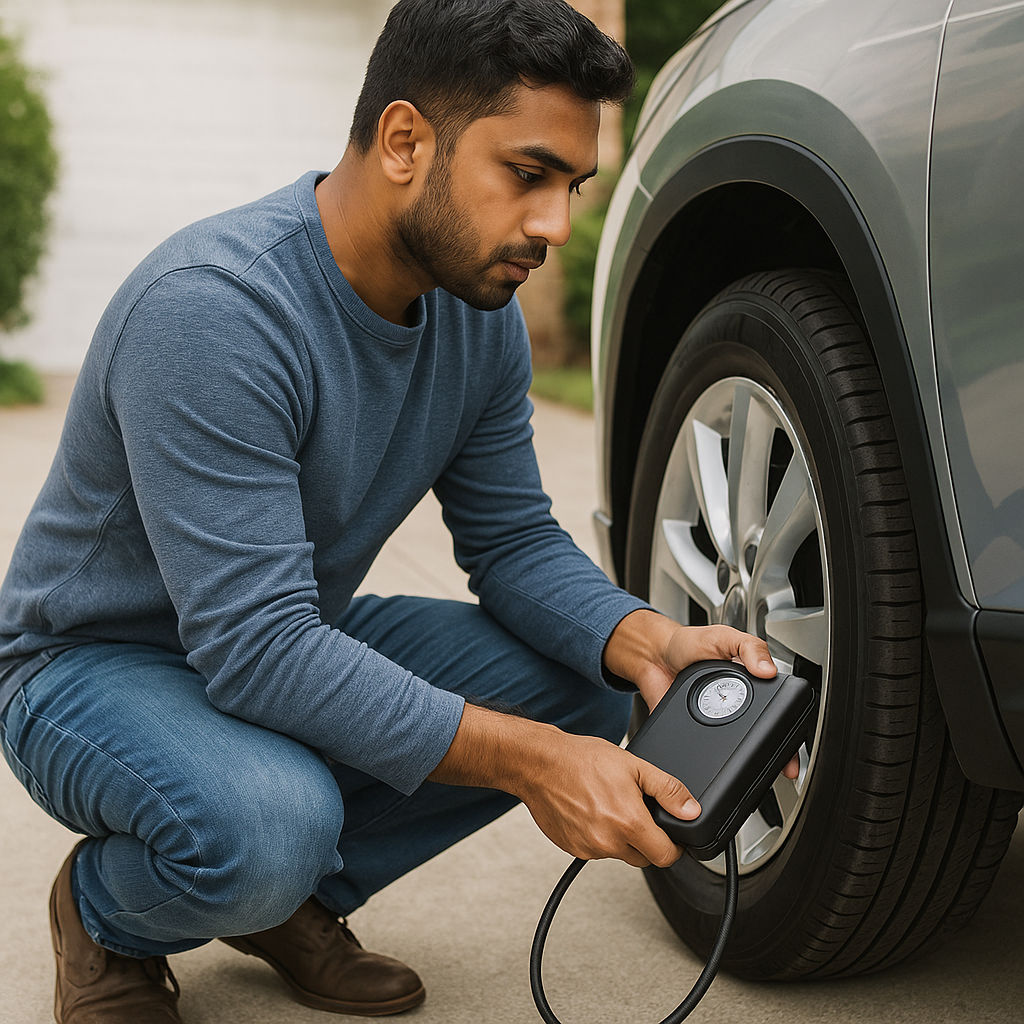
Make sure your car tires are inflated
Low tire pressure can have a noticeable effect on your car's fuel economy, and is one of the easiest things to address - Many tire shops will even do it for free
It sounds simple, but keeping your car tires properly inflated is one of the easiest ways to reduce carbon emissions. It takes less time than grabbing a cup of coffee, costs almost nothing, and can make a measurable difference in how much fuel your vehicle uses.
I learned this the hard way during a long drive last summer. My gas mileage started dropping, but I brushed it off as traffic or the air conditioner running too high. When I finally checked, all four tires were several pounds under pressure. After inflating them to the proper level, my mileage improved right away (and felt less like I was dragging). It was a quick reminder that proper tire pressure goes beyond the number you see on the dashboard. It affects how efficiently your car burns fuel and how long your tires last.
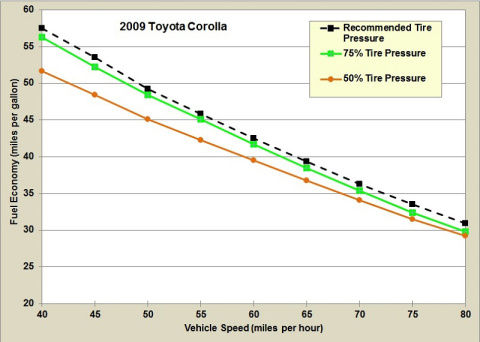
Underinflated tires create more rolling resistance, which makes the engine work harder and burn more fuel. Keeping your tires at the right pressure can improve gas mileage by about three percent. For a car that uses roughly 400 gallons of fuel per year, that means saving about 12 gallons—roughly half a tank for many vehicles. It may not sound like much, but over time, it adds up to real savings.
When tire pressure drops to around three-quarters of the recommended level, efficiency can fall by two to three percent, and it only gets worse as pressure drops further. Checking tire pressure regularly is a simple habit that helps every time you drive.
Proper tire pressure also improves safety and extends tire life. Tires that are too soft wear out faster and can overheat, increasing the chance of a blowout and needing costly replacements sooner.
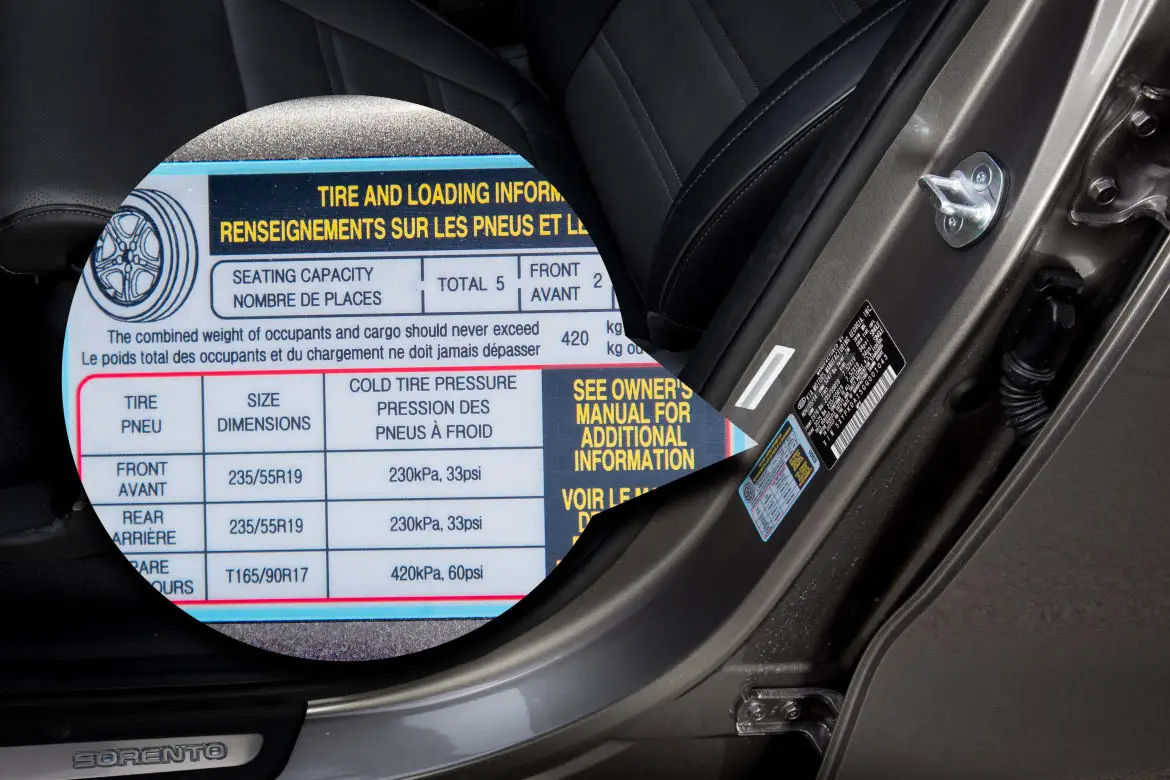
The best time to check tire pressure is when the tires are cold, before driving more than a mile, since the heat or driving will increase the pressure a bit. You can find the recommended pressure on a sticker inside the driver’s door or in the owner’s manual. The tire itself also lists a pressure number, but that one shows the maximum pressure it can handle, so don’t use this number! A simple tire gauge and an air pump at most gas stations are all you need to get it right.
How to check your tire pressure:
- Watch your dashboard indicator. Most newer cars alert you when pressure drops, but a manual check once every few months is still a good idea.
- Check your tire pressure when the tires are cold (before driving more than a mile).
- Find the recommended PSI on the sticker inside your driver’s side door frame or in your owner’s manual (not the number on the tire!).
- Use a tire pressure gauge. A basic one costs under ten dollars, or try a digital model for easier reading.
- Add air at a gas station or service shop. Many locations such as Discount Tire, Les Schwab, or Costco will check and fill your tires for free.
Keeping your tires properly inflated can improve gas mileage, save money, and cut hundreds of pounds of CO₂ each year.
Want to do more?
Get updates on climate progress and how you can help.