Electrification beyond EVs: what it really means for climate action
Electrification isn’t just about EVs. It’s about how we heat homes, run factories, and clean up energy - imperfect, practical, and essential for cutting emissions at scale.
When most people hear the word electrification, the first thing that comes to mind is electric vehicles (EVs). And it makes sense. Tesla and the rise of EV adoption have turned electric cars into the most visible emblem of the energy transition. But the truth is that electrification is much broader and deeper than passenger vehicles alone. It is a structural reimagining of how we power our lives, communities, cities, and economies - a change that is essential if we’re serious about tackling climate change.
At its simplest, electrification means replacing technologies that burn fossil fuels directly with technologies that run on electricity. The climate value comes when that electricity is increasingly generated from low-carbon sources. This definition might sound straightforward, but the implications span the entire economy. And unlike flashy headlines about sporty electric SUVs or concept trucks, the real impact of electrification will be felt in places most people don’t actively think about: the heat in our homes, the ovens in factories, the trucks that haul goods across continents, and the machines that make our buildings and infrastructure.
This isn’t a speculative idea or a future breakthrough. It’s a strategy already reshaping energy systems, buildings, and industries.
Why electrification matters even without perfection
The way we generate and consume energy today is fundamentally tied to fossil fuels. Coal, oil, and natural gas still dominate how we power transportation, heat homes, run industrial plants, and manufacture goods. But burning these fuels releases greenhouse gases (GHGs) that trap heat in our atmosphere and drive global warming.
Electrification matters because electricity is a flexible energy carrier. When paired with clean energy sources like wind, solar, and hydropower, electricity can displace fossil fuels and dramatically lower emissions across economic sectors, without needing to replace the end-use equipment again. For example, a gas furnace or diesel engine is locked into fossil fuel use for its entire lifetime. An electric heat pump or motor is not. As grids add more wind, solar, and storage, electrified systems automatically get cleaner.
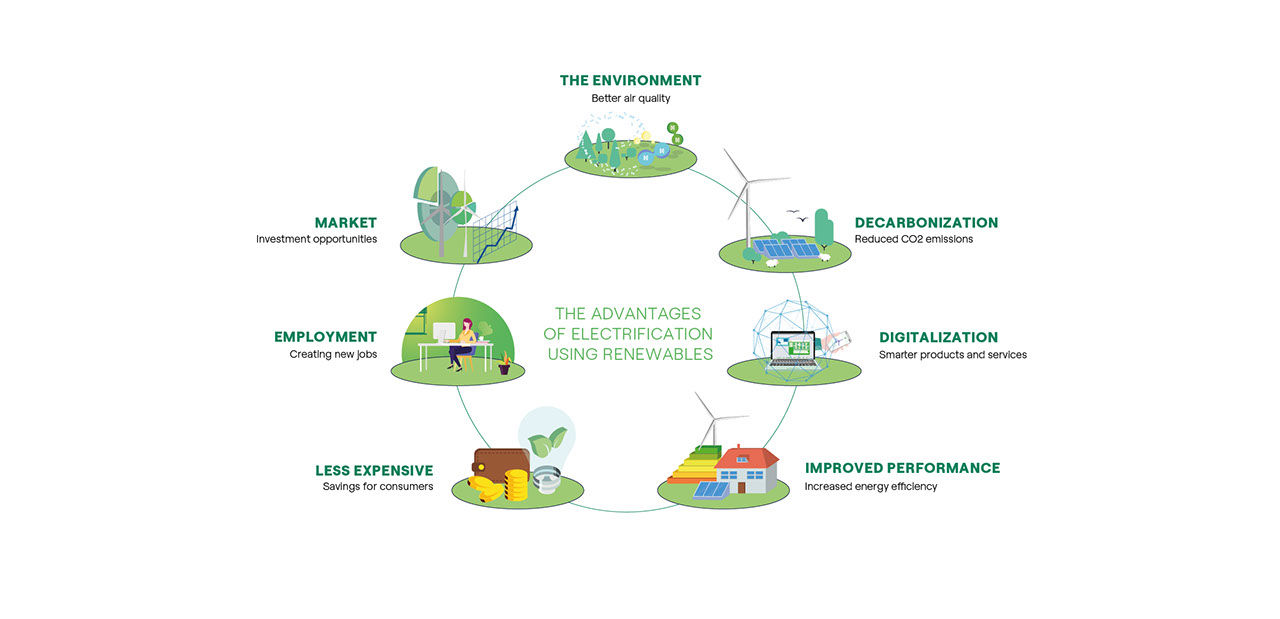
This is why electrification is less about any single device and more about creating long-term decarbonization pathways.
Buildings: The Quiet Workhorse of Electrification
Buildings are where electrification is both least visible and most impactful. Traditionally, heating and cooling have relied on direct combustion of fossil fuels, gas furnaces, propane heaters, oil boilers. Switching these systems to electric heat pumps - devices that move heat rather than generate it through combustion, can cut energy use dramatically while eliminating on-site emissions. Improvements in electric heat pump technology means these appliances can heat space and water at efficiencies between 200 and 300 percent, compared with 67 percent for a typical Energy Star gas water heater. The result is lower energy demand, lower emissions, and improved indoor air quality.
This isn’t a futuristic upgrade, it’s a present day option that already makes economic sense in many contexts, especially as fossil fuel price volatility increases.
Industry: Harder, Slower, Still Necessary
Industry is often overlooked in everyday climate conversations, but it’s one of the hardest sectors to decarbonize. Heavy industry: steel, cement, chemicals, glass, accounts for a huge percent of global energy use (37% of total global energy consumption) and emissions. High-temperature processes in steel, cement, glass, and chemicals have relied on fossil fuels for decades because they deliver dense, reliable heat. Replacing that infrastructure is expensive and technically challenging.
But progress is happening. Electric arc furnaces, resistance heating, and new electrochemical processes are already reducing emissions in parts of heavy industry. None of this is easy as it demands innovation, investment, and new industrial designs. But the payoff is enormous. Electrifying industrial heat alone could cut a significant portion of global energy demand while unlocking new pathways to low-carbon manufacturing.
Electrification is also more efficiency
Electrification isn’t just cleaner, it’s more efficient. Electrified applications are far more efficient than those that rely on burning fossil fuels. For example, internal combustion engines turn only 25 per cent of the chemical energy in gas or diesel into kinetic energy in the wheels, with 75 per cent turned into wasted heat. Electric vehicles, by contrast, use 90 per cent of energy input to drive the wheels, and waste only 10 per cent. A heat pump can produce 4 kWh of heat per 1 kWh of electricity input, making it four times more efficient than gas. Even when electricity isn’t fully renewable, electrified systems often use less total energy to deliver the same service.
Imagine a world where the energy that once heated a home or moved a truck does so with half or a fraction of the energy required before. Efficiency lowers costs, eases grid strain, and reduces the scale of renewable deployment needed to reach climate targets.
But electrification alone isn’t enough. Its benefits only accrue if the electricity it uses is low-carbon. If electricity is generated from coal or unabated gas, then electrifying everything could simply shift emissions from tailpipes and boilers to smokestacks.
This is why electrification must go hand-in-hand with clean energy deployment like expanding wind, solar, hydro, geothermal, and other zero-carbon sources while retiring high-emission generation. It also means investing in grid infrastructure, storage, and smart systems that can handle increased demand and variability.
The good news is that power-sector decarbonization is already underway in many regions. Technological advances are making electricity from renewable sources increasingly affordable and in many cases more affordable than fossil fuels.
What Electrification Looks Like in Practice
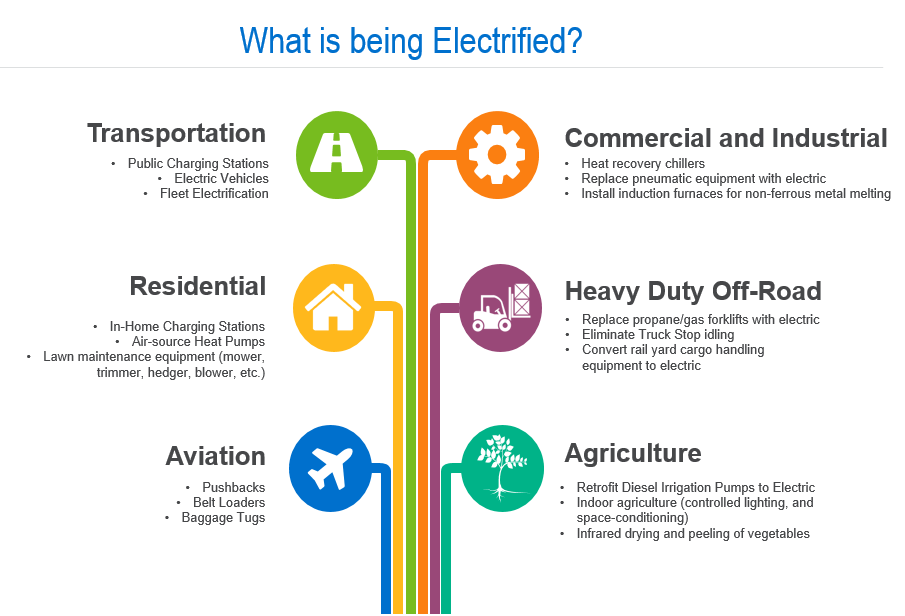
Look around and you will see, beyond EVs, electrification shows up in less visible but more structural ways:
- Homes heated and cooled by heat pumps instead of gas
- Electric water heaters and induction stoves replacing fossil fuel appliances
- Electric buses, trains, and freight corridors reducing diesel dependence
- Industrial facilities adopting electric furnaces and low-carbon process heat
- Grids designed to manage variable renewables and flexible demand
It is worth acknowledging electrification does have limits. Some emissions are tied to chemical processes rather than energy use. Certain sectors will still need complementary solutions such as material efficiency, green hydrogen, or carbon capture to reach deep decarbonization. Infrastructure also turns over slowly, and affordability remains a legitimate concern for households and industries alike.
However, acknowledging these constraints doesn’t weaken the case for electrification; it strengthens it. Climate solutions that promise effortless transformation tend to disappoint. Electrification works precisely because it is grounded in engineering reality, not wishful thinking. It doesn’t require perfect grids or instant behavior change. Instead, it depends on steady progress, institutional support, and patience.
In climate terms, this is what realistic optimism looks like: not betting on miracles, but committing to solutions that function under imperfect conditions. Realizing electrification’s full potential will require honest conversations about trade-offs, thoughtful policy design, and a clear understanding that electrification is not just about what powers the future, but about what powers a just and resilient one.
Want to learn more?
Get updates on climate progress and how you can help.