Why caring about emissions does not mean taking a side
A personal, practical look at why caring about cleaner air, stronger infrastructure, and community resilience does not require taking a political side. Drawing on my Idaho upbringing and a deep respect for nature, this piece shows how everyday choices can reduce emissions without activism, identity, or ideology. It reassures readers that working together and protecting what we already have is a common-sense approach anyone can support.
I grew up in an uber conservative household, and never once did I walk away with the impression that we were against helping the environment. That idea would have sounded strange to us. What we had was a deep respect for nature, and not the performative kind. It was the lived kind. It was the kind that comes from being raised at the wilderness gateway of Idaho, where the mountains sit close enough to shape you and the forests feel both indifferent to your existence and protective of it. The land does not need to announce its importance. It simply exists, and if you grow up there long enough, the respect becomes automatic.
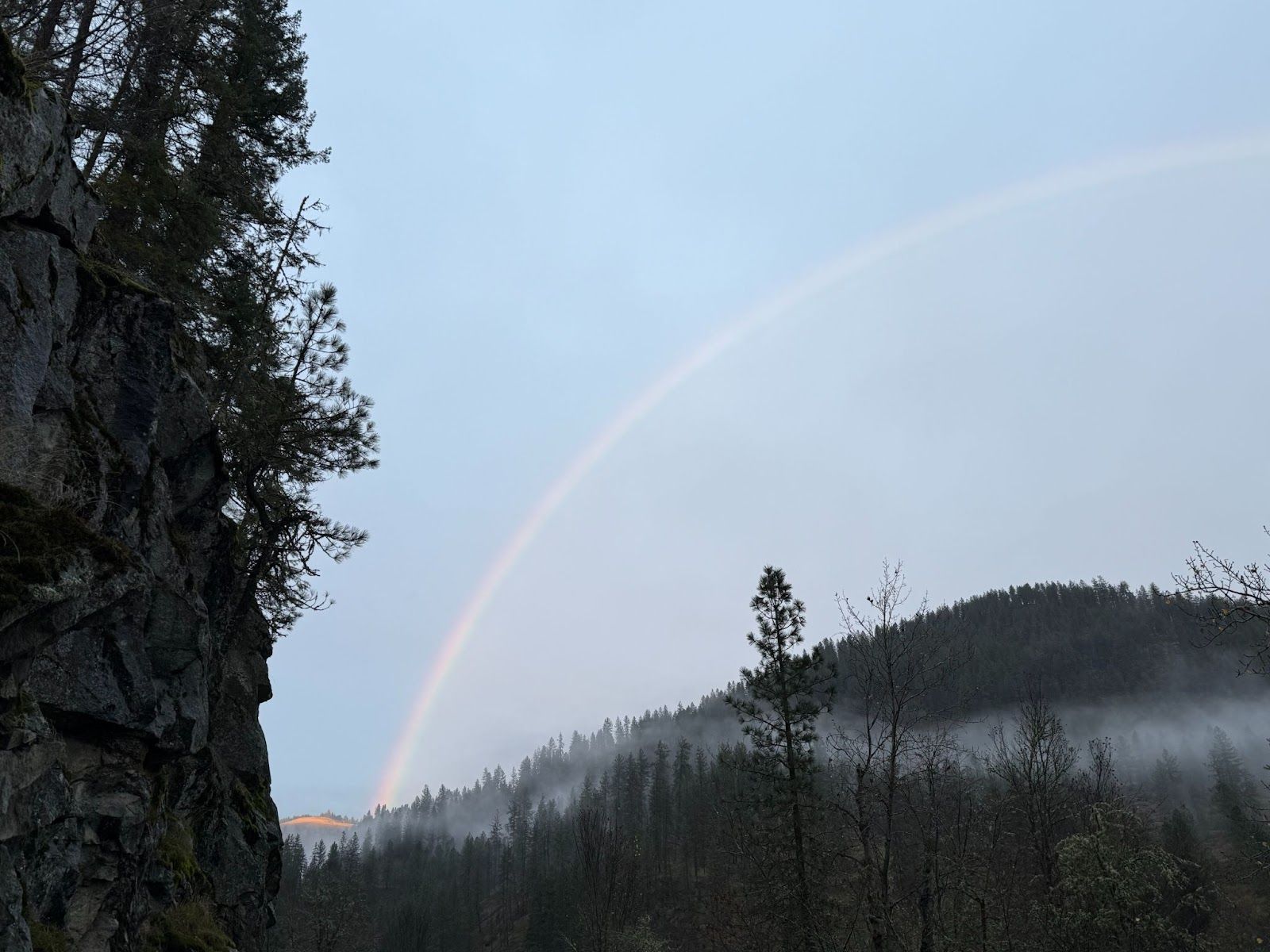
The Selway River shaped that part of me. Anyone who has stepped into the Selway at dawn knows the shock of it. The cold wakes your soul. The clarity lets you see every stone on the bottom as if the river were glass. When you grow up beside something that wild and beautiful, you do not need anyone to give you a moral argument about why it matters. You simply know. You pack out your trash because it would feel wrong not to. You look after the trails because someone before you did the same. You make sure you do not leave a mess for someone else to deal with, because that is not how you treat a place that gives you so much. None of it feels like activism. It feels like respect. It feels like the right way to live.
Caring about emissions does not mean choosing a political side or changing who you are. It does not require joining a movement, marching in the streets, or turning climate into your personality. You do not have to frame your choices as activism or declare allegiance to a particular worldview. You can care simply because you care. You can want cleaner air, stronger communities, and fewer risks without taking on a new identity or defending your values to anyone.
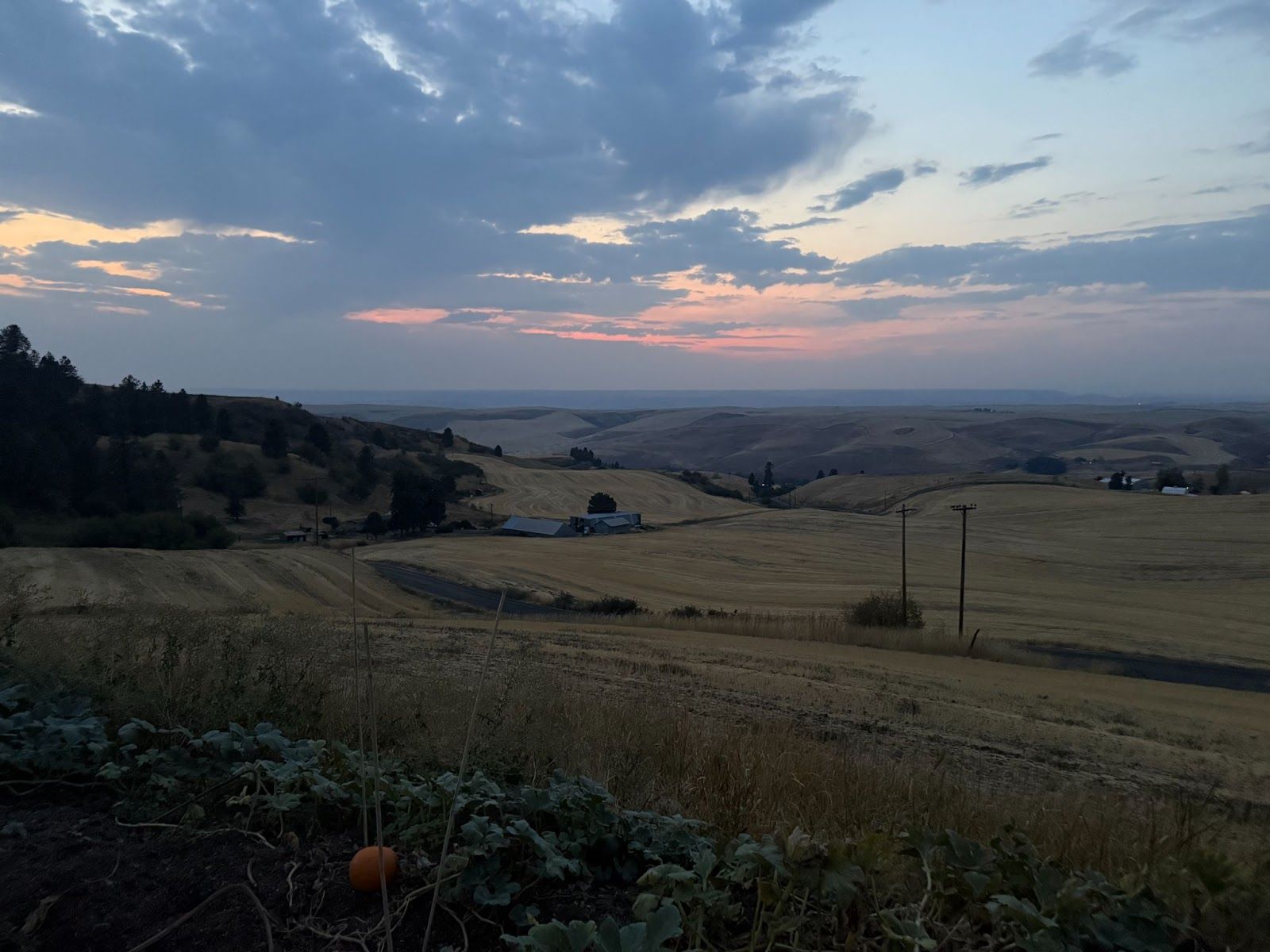
My father works in what some would consider an anti climate profession. His world involves wildland firefighting, heavy equipment, and the kind of rugged work that people often assume is the opposite of environmentalism. Even so, that never meant actions were not being taken. He recycled. He looked for more efficient tools and transportation. He gave back to the community. He cared about the land because he lived on it and worked on it, and he understood its value in a way that charts or talking points could never capture. The same is true for many people. You can be a big rig trucker or work in the mines and still take small steps that protect the places you rely on. Caring about the environment is not reserved for one type of person. It shows up in everyday choices, regardless of the uniform you wear or the job that pays your bills.
That respect is what shaped my path long before I had the language for sustainability or resilience. It is the reason I ended up in this field, not because of politics and not because someone told me I should. When you grow up watching how easily ecosystems can be harmed and how quietly they support our daily lives, you learn early that protecting them is not a side. It is a responsibility. The same instinct that makes you careful around a river during spring runoff is the one that makes you think about how communities withstand storms, fires, and floods. The systems might look different, such as waterways, neighborhoods, forests, or power grids, yet the principles remain the same. Everything is connected, and everything depends on our willingness to take care of what we rely on.
That is why it sometimes feels strange to hear climate conversations framed like they require picking a team. You can care about the land you live on without moving to a commune or weaving your own clothes out of twine. You can want clean water and affordable, reliable power without adopting a political label. Most people live in that middle space. They want grocery stores that stay stocked. They want neighborhoods that do not flood every time it rains. They want rivers that still run clear. They like modern life, but they also want to breathe without wheezing on high pollution days. Caring about what sustains you should not be controversial.
The truth is that most actions that reduce emissions are simply practical. Fixing leaks lowers your water bill. Updating insulation keeps your house warm in the winter without running the heater constantly. Planting trees cools a neighborhood and makes it more welcoming. Supporting projects that prevent repeat flooding keeps families from losing their homes again and again. Choosing a car that saves money at the gas pump is not a political statement. These are normal decisions people have been making for generations because they make life easier and healthier.
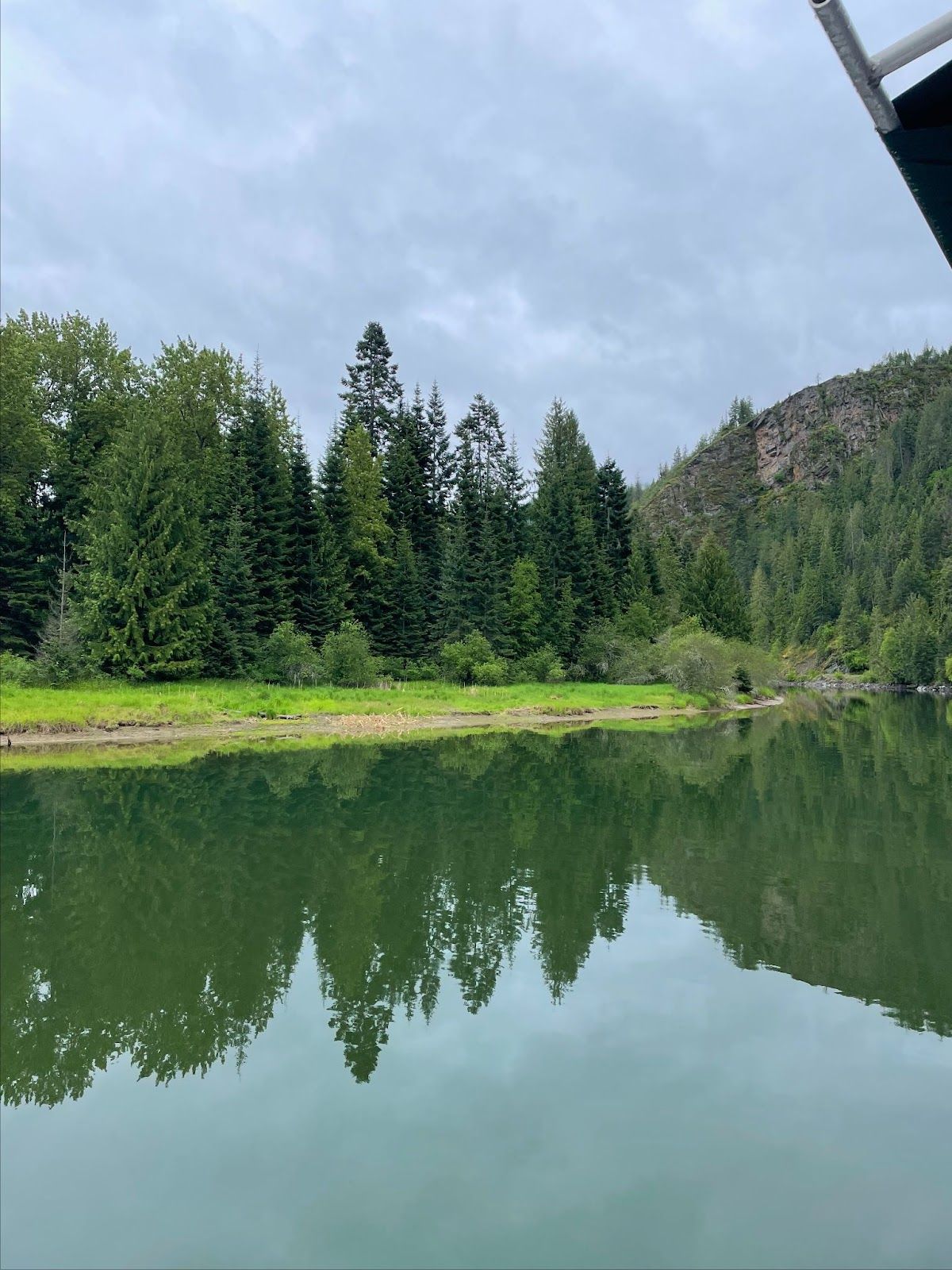
At its core, this is not about identity politics. It is about working together and respecting what we already have. The forests, the shorelines, the rivers, the neighborhoods, the infrastructure, and the communities belong to all of us. These places do not carry political identities. They carry memories, livelihoods, and meaning. When we take small steps to protect them, we are not choosing a side. We are choosing home.
Political action matters too, and I do not want to reduce this conversation to individual choices alone. Communities need people who are willing to show up, pay attention, and take part in the decisions that shape local life. The problem is not public involvement. The problem is the way climate issues are often forced into a liberal-versus-conservative fight that flattens everything into teams. At the local level, these issues often look very different. They look like people trying to reduce fire risk, protect water, improve drainage, maintain public lands, strengthen infrastructure, or keep neighborhoods safe and livable. In the kind of places I come from, people may not have called that climate action, but they still understood stewardship, responsibility, and community protection. They understood that caring for a place sometimes means more than private respect. It also means showing up when decisions are being made.
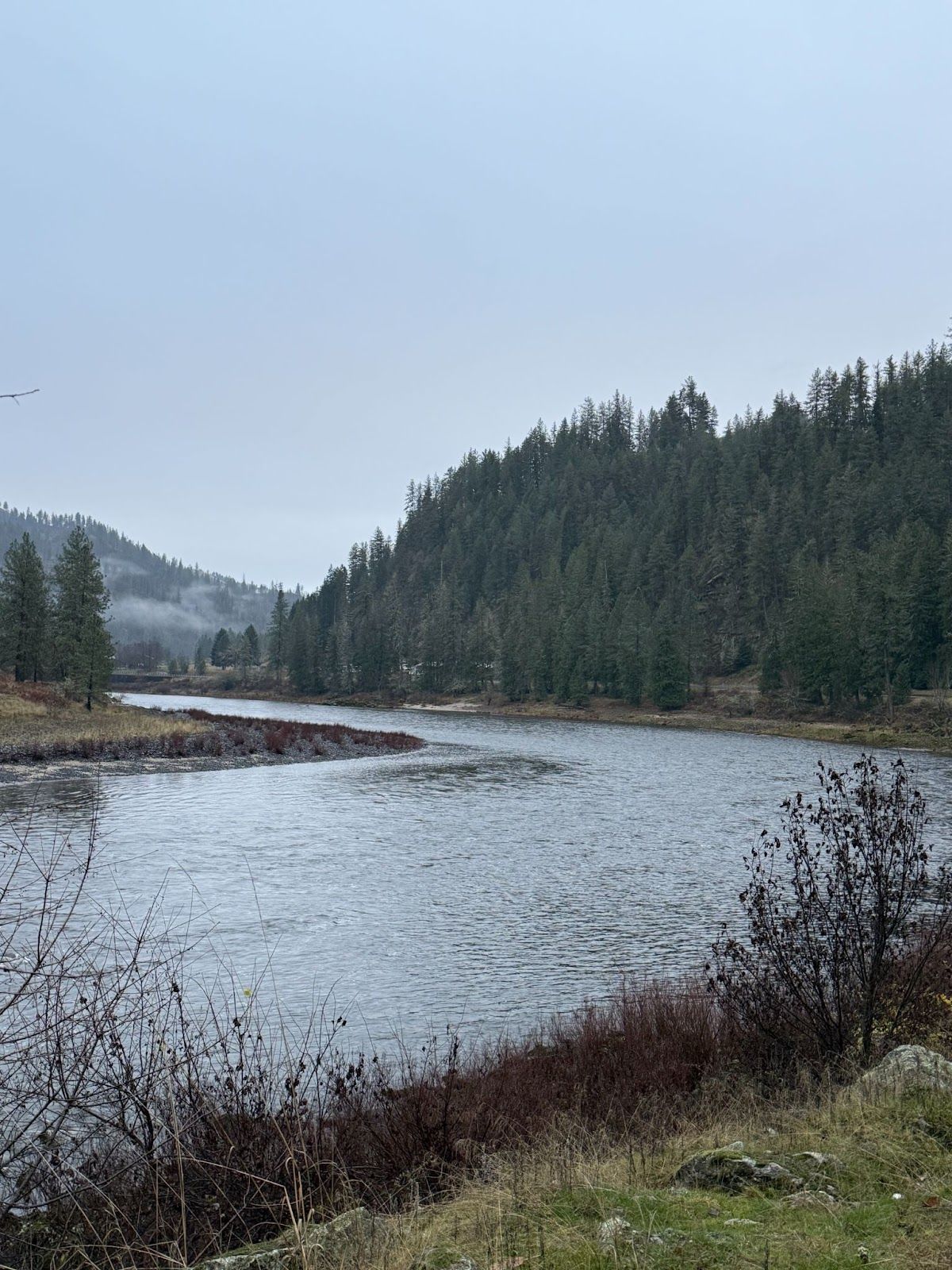
Caring about emissions does not require a label, an argument, or complicated explanation. You can do it quietly. You can do it through habits so ordinary that no one notices. You can do it because you grew up in a place that taught you respect without needing to say the word. You can do it because your community feels worth protecting. You can do it because you want your kids or grandkids to step into a river like the Selway someday and feel the same awakening cold that you felt. You can do it because you want the world they inherit to feel just as big, just as connected, and just as alive as the one that shaped you.
You can care simply because you live here. Because this land holds your memories. Because the air you breathe matters to you. Because health, stability, and safety matter to everyone, no matter their political views.
You can care because this is the place you call home. And that is more than enough.
Learn more:
Want to learn more?
Get updates on climate progress and how you can help.