Even if climate change is not real, clean energy is a good idea
Moving to clean energy and electrifying is usually discussed in relation to climate change, but there are a lot of other reasons to do it, too. For example, burning fossil fuels causes more deaths than you probably think just from direct emissions.
Repeatedly we hear about renewable energy as connected to climate change. That renewable energy is good for climate change. But what if climate change doesn’t matter? Or what if you don’t believe in it? Let’s just take climate change out of the picture for a second. What then? Why should we care about renewable energy?
Creates Jobs
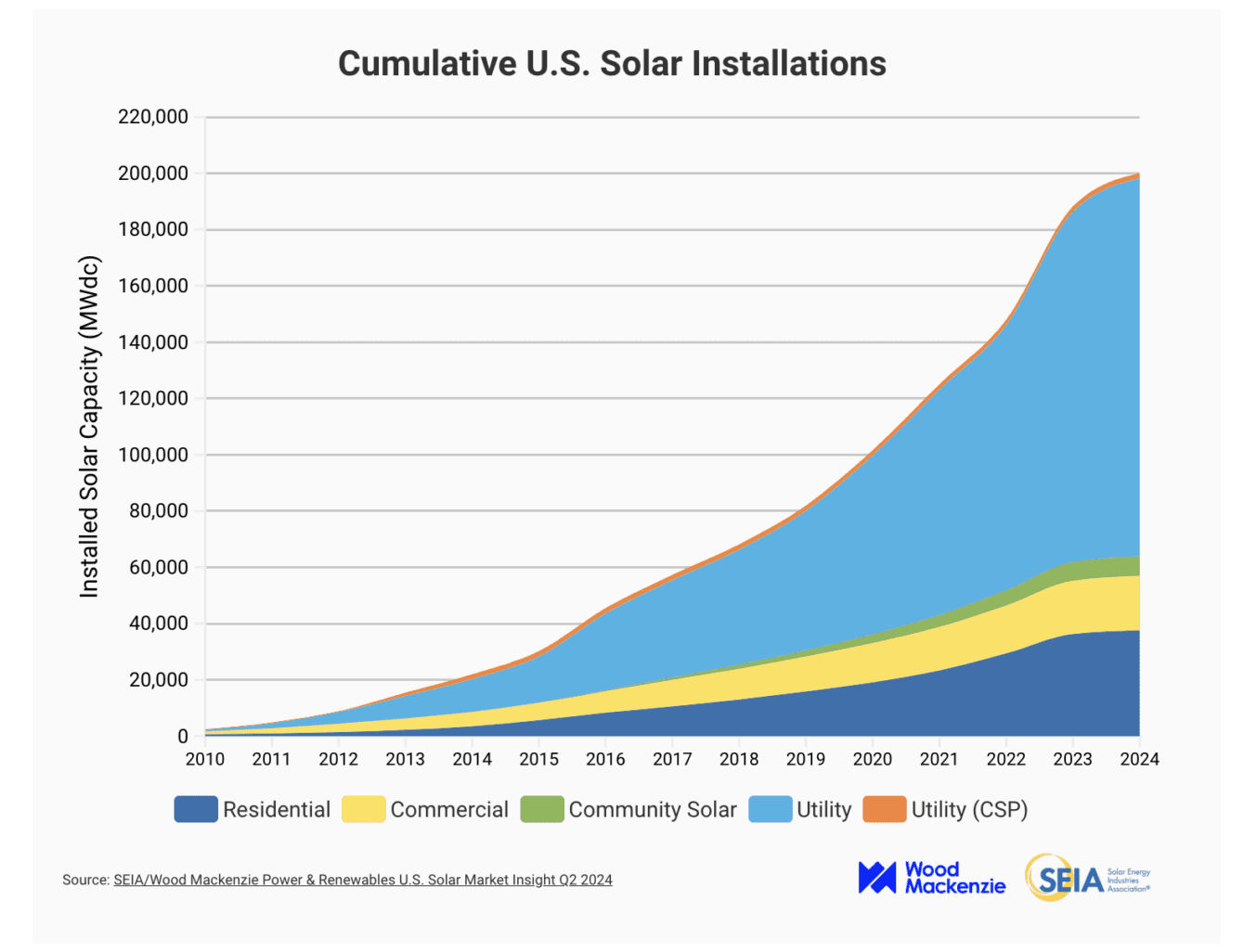
Renewable energy is one of the fastest growing industries. Countries like China have skyrocketed in their interest in renewable energy, but even in the United States, the solar energy industry is one the fastest growing industries. What were once startups are now multi-million dollar companies spanning the entire country.
One of the critiques of renewable energy is that it doesn’t create a significant economy. That is vastly untrue if we look at solar energy companies. In 2024, global clean energy investments surpassed $1.8 trillion , outpacing fossil fuel investments. It is only expected to grow, especially as companies look to transition to green energy and a circular economy in order to appear more popular to their consumers. Wind is the next renewable energy to take off, and it already is showing significant growth.
It’s true that moving away from fossil fuels will cause some jobs to be lost, however if you look at the data for jobs created per dollar spent, renewables come out significantly ahead : Per $1 million of spending, renewables create ~7 jobs vs 2-3 for equivalent fossil fuel investments. In addition, the majority of energy sector jobs are not specific to what type of power generation we use, such as those building and maintaining power infrastructure.
Cheaper than Fossil Fuels
One of the realities of solar energy in particular, is that it is now cheaper than fossil fuels.
Oil requires constant drilling, and then it requires the cost of refineries and transportation. This cost does not end, because that is the definition of a non-renewable resource. You have to keep putting petroleum in to keep generating energy.
Solar energy, due to significant advancements, has significantly decreased in cost. Once the solar panels are installed, there are virtually no other costs. For 25 years. Yes really. That’s it. It’s passive, set-it-and-forget-it energy.
One of the critiques of renewable energy is that it is unstable without battery storage, which is true, but battery storage is also getting cheaper. This allows renewable energy to compete with incumbent fossil fuel energies as a viable alternative.
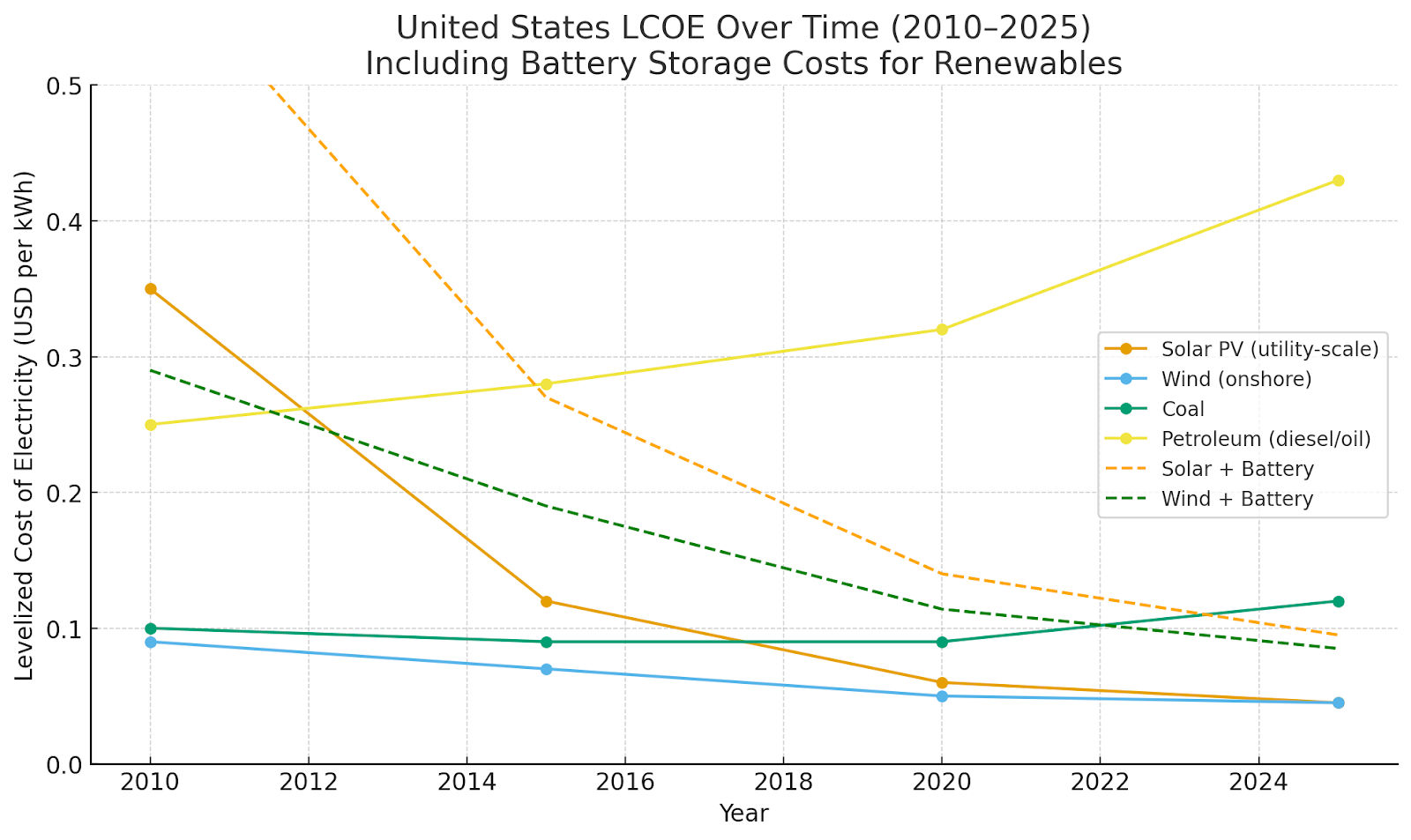
Solar and wind are now cheaper than coal power, even if you include battery storage
Promotes Individual Freedom and Community Development
Talking about freedom, what if your house ran on energy that came from renewables, significantly reducing your energy costs or removing them entirely, where you could be the owner of your own energy? Solar systems do require an upfront investment, but after installation the energy created is passive energy without reliance on an energy company and with minimal maintenance for 25 years. This means you can SAVE MONEY in the long run while also becoming your own energy boss.
As well, small towns and communities that maybe would not be able to have control over their energy costs can now afford to power their homes efficiently. Renewable energy gives them the opportunity to lower their energy costs significantly so they can use their money for something else.
Pollution causes health issues
Renewable energy puts out substantially less air pollution than fossil fuels. Since we aren’t considering climate, ignore CO2, and we will just look at sulphur dioxide, a primary pollutant. Air pollution from fossil fuels is responsible for numerous health problems, including asthma, cancer, heart disease, and many more. It is estimated that at least 90,000 premature deaths are caused by air pollution every year in the US.
It’s true that renewable energy does create some pollution too, mostly related to mining and installation of systems, but even accounting for this, it is nowhere near the amount from fossil fuel power. It’s actually even less than the CO2 emissions.
It’s important to call out that coal is much worse than natural gas on this front - while natural gas is still a significant polluter, it is definitely a much better alternative to coal, and can be a good stepping stone.
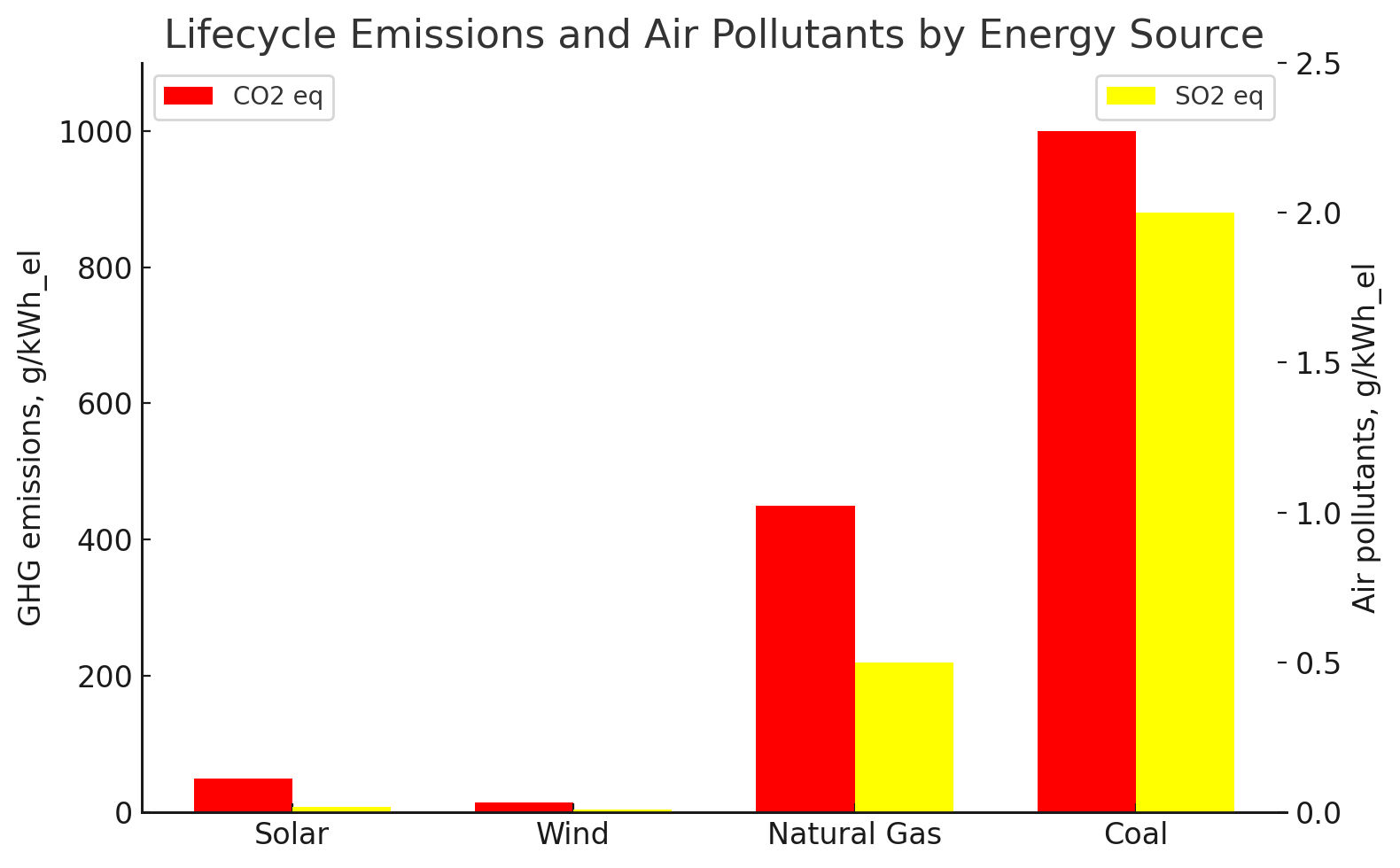
Comparing the pollutants from the full lifecycle of different power sources (data from Oeko-Institut )
Lower Land Use Impact
Renewables have significantly less environmental impact in other ways too. For example, land usage. While solar and wind do take up more space than fossil fuel plants, they are far less intrusive, and can be built on farms along with crops, or on rooftops in the case of solar.
Secondly, while the effects of mining for renewable energy do affect the environment, the installation of renewable energy itself does not have a heavy environmental impact. And because it is renewable, means that it does not need to be fed new petroleum constantly, and drilling adds significant land use and in only specific areas..
For example, places like Wyoming, which has historically relied on coal for its economy, is an excellent candidate for wind energy due to its flat geography and significant amount of wind. Many of the skills needed for coal mining can easily transition to renewable energy. Companies advertise retraining for former coal miners in a little as 60 days.
Let’s Bury the Hatchet
In recent years, renewables vs fossil fuels has been highly politicized, with conservatives arguing that fossil fuels are needed to fuel the economy, and liberals calling for total elimination of fossil fuels. Neither of these extremes are necessary. We can build up clean energy and create jobs while ramping down fossil fuels, especially coal.
When you look at the data, 70% of Americans support renewable energy. Texas and Alaska , both oil-rich states that vote conservative, have a substantial amount of renewable energy, with roughly 80% of both state populations supporting renewable energy.
We no longer need to make a choice between clean energy and cheap energy, so let’s stop fighting and start building.
Want to learn more?
Get updates on climate progress and how you can help.