We need to stop calling fossil fuels 'evil'
When discussing climate change, fossil fuels are often framed as "the bad guy", and it's true that these companies have done a lot of damage through misinformation about climate science. Its also true that in order to address climate change, we will need to stop burning them. However, its important to acknowledge that fossil fuels do have a positive side. By acknowledging the good with the bad, we have a much better chance of finding common ground to talk about how to move forward.
Fossil fuels are usually discussed as a morality test, not an infrastructure problem. That is a big reason climate conversations can feel stuck. Once the framing turns into "good people vs bad people," useful discussion about timelines, tradeoffs, and real transition plans tends to disappear.
A better framing is less dramatic and more useful: fossil fuels helped build modern life, and now moving away from fossil fuel combustion is necessary to reduce climate risk. Those two statements do not cancel each other out. They are both true, and holding both at once makes better decisions possible.
This also matters politically. When people hear "fossil fuels are evil," many hear something broader: "your job, your town, and your history are evil." That usually creates backlash, not progress. If the goal is faster decarbonization, the framing has to keep more people in the conversation, not fewer.
Start with the full picture
Coal, oil, and gas powered industrial growth, large electricity systems, global shipping, and modern transportation. That history is not a side note. It is the context for why the current system exists and why change is hard at scale.
At the same time, there is a real accountability story. Some major company leadership and political actors spent years spreading climate misinformation. That deserves clear criticism. But broad blame toward everyone connected to the industry is not accurate and usually not productive. A rig worker, a refinery technician, and an executive shaping national messaging are not playing the same role.
Useful climate communication keeps these lines clear:
- It acknowledges historical benefits without minimizing present climate risk.
- It assigns responsibility where misinformation was actually produced.
- It treats worker transition as part of the solution, not an afterthought.
Be realistic about transition timelines
One reason people tune out is messaging that implies we can stop using all fossil fuels immediately. We cannot. Today's grids, heavy industry, shipping, aviation, home heating, and petrochemical supply chains were built over decades and have to be replaced in stages while keeping systems reliable and affordable.
Being honest about that timeline is not an excuse for delay. It is how serious transitions actually succeed. The goal is to reduce fossil combustion quickly and consistently while scaling clean power, storage, transmission, efficiency, electrification, and alternatives where electrification is harder.
The transition is already moving in that direction. Globally, renewables accounted for around 80% of new power capacity additions in 2024, according to the IEA. That matters because each new renewable project reduces the need for new fossil generation and pushes the system toward a lower-emissions baseline.
So the credible message is not "turn everything off now." It is "keep accelerating replacement." As clean generation scales, fossil power should keep phasing down, with coal expected to phase out first in many systems because it is usually the most carbon-intensive and often the least competitive option.
From a good-but-dated system to a better next system
Describing this transition as moving beyond a good-but-dated technology is usually more effective than framing it as moral punishment. It acknowledges what fossil fuels enabled while making clear that current climate risk requires a newer system.
That framing also opens the door to practical workforce planning. IEA analysis finds meaningful overlap between oil and gas capabilities and several growing energy pathways. Deep-well geothermal is one good example, where drilling and subsurface expertise transfer directly into newer projects.
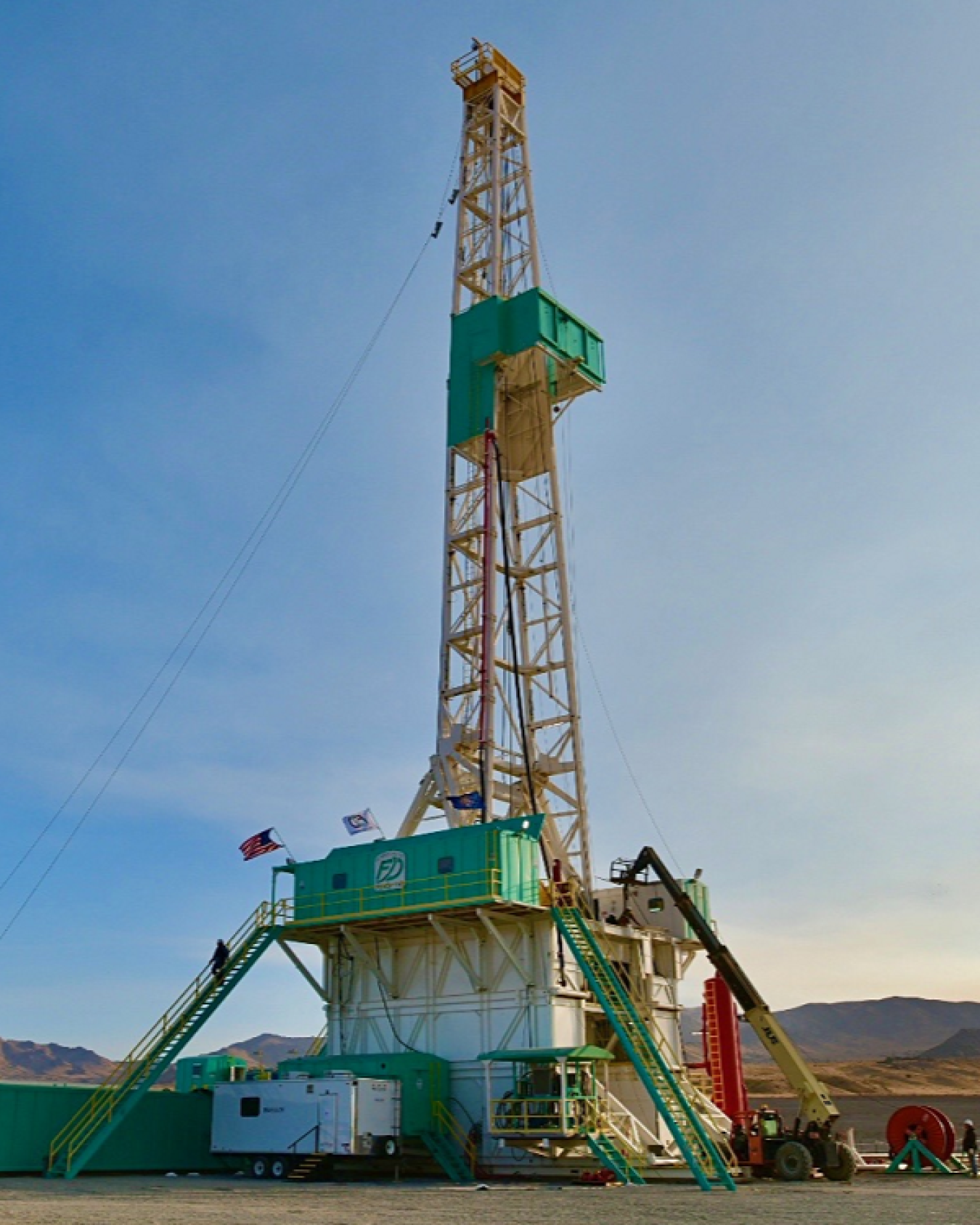
Geothermal is not the only path. Similar transfer opportunities exist across grid modernization, carbon management, industrial decarbonization, and other infrastructure-heavy buildout where field operations, project execution, safety culture, and technical trades matter. The key point is broader than any one technology: existing skills are an asset for the next system.
Policy works better when climate goals are paired with implementation people can actually see:
- Reliable power and modernized grids.
- Affordable pathways for households and businesses.
- Visible transition routes tied to real projects and local jobs.
Progress is visible, even with a large challenge still in front
The progress side of this story is real, not hypothetical. In many countries, low-carbon electricity has climbed significantly over time. That does not mean the grid is already clean everywhere, but it does mean the direction of travel has changed in measurable ways.
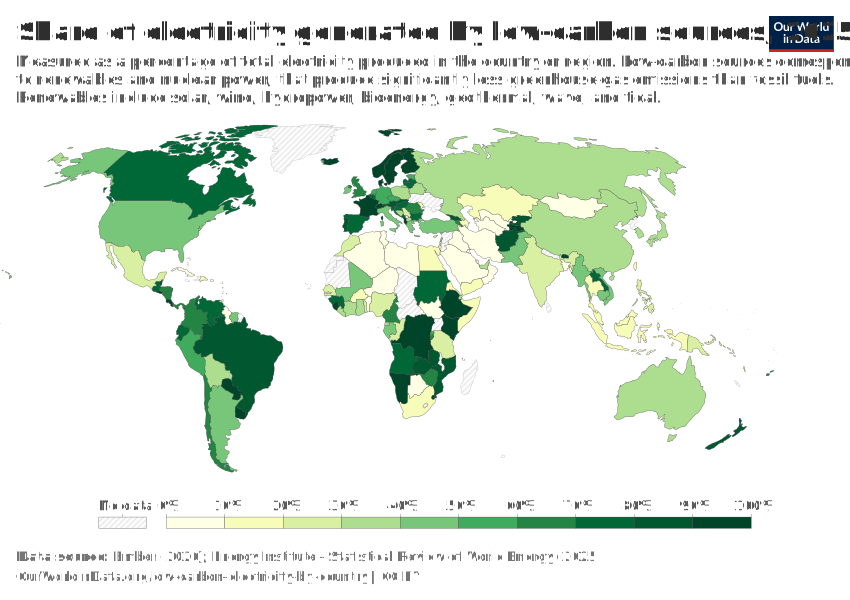
The challenge remains large because global primary energy is still mostly fossil-based. That is the hard part. But "still mostly fossil" and "moving in a better direction" can both be true. The first fact explains urgency; the second fact explains why continued effort is worthwhile.

Fuel differences matter too. In U.S. utility-scale generation data for 2023, coal emitted about 2.31 pounds of CO2 per kWh, while natural gas emitted about 0.96 pounds. EIA data shows why coal-to-gas switching lowers near-term power intensity, even though it is not the end state. Long-run decarbonization still depends on scaling low- and zero-carbon generation, transmission, storage, and efficiency.
Growth trends show why momentum matters
Clean energy progress is also visible in absolute terms, not just percentages. Modern renewable energy consumption has grown strongly over time, which reflects sustained deployment and improving economics.
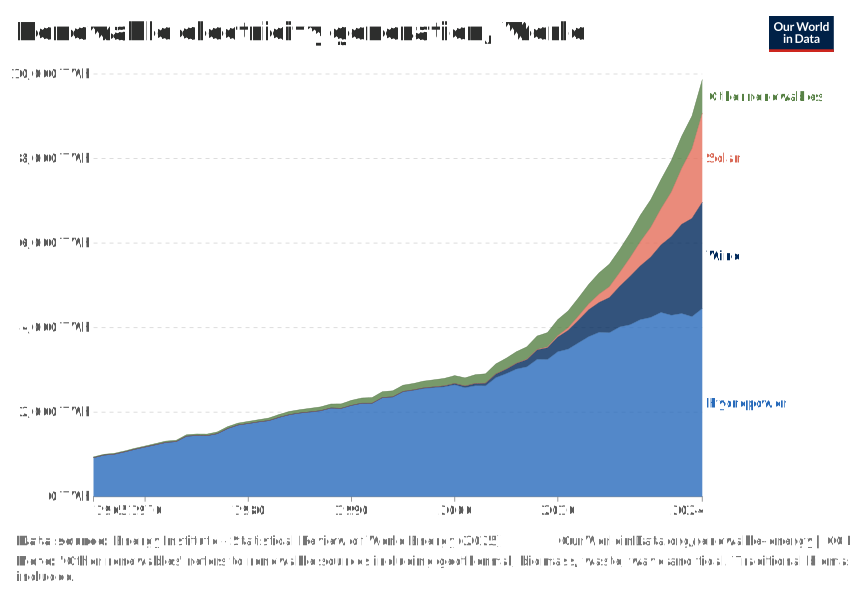
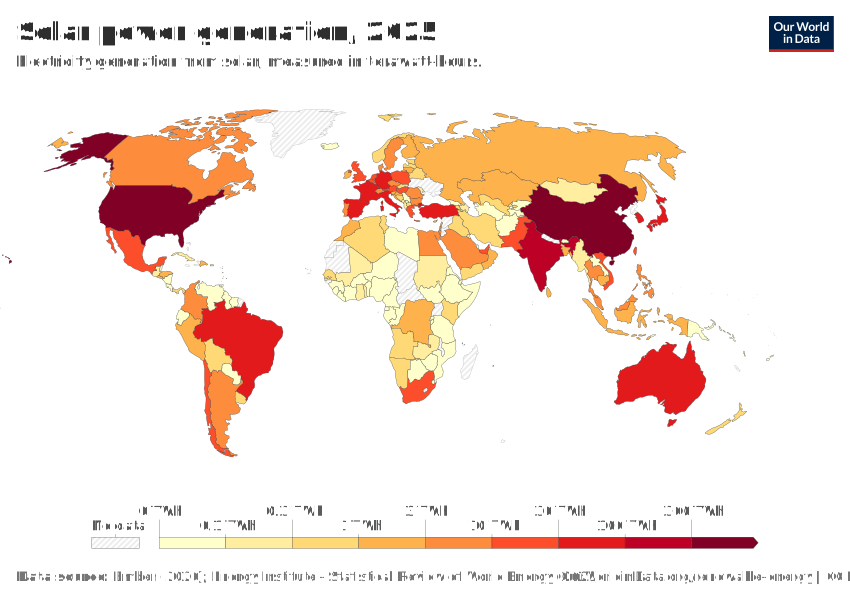
Solar is one of the clearest examples. In many markets it has moved from "promising" to system-relevant in a relatively short period. That matters because rapid deployment in one technology can reshape planning assumptions across the whole grid.
Where this leaves the conversation
The data supports a realistic middle position: climate risk is serious, progress is measurable, and future outcomes still depend on decisions being made now. That combination is exactly why this moment matters.
The transition is not finished, but it is underway. The direction has improved, and the pace is still a policy and investment choice. That is not a small point. It means the story is not locked in, and the next decade can still shift outcomes in meaningful ways.
Want to learn more?
Get updates on climate progress and how you can help.